by Marianna Farag, self-taught plant-based chef and food anthropologist in the making
When I lived in Jamaica, one of the things that fascinated me most was trying to trace back which Indigenous foods were still a part of everyday life. Bammy was definitely one of them — an unmistakably Taíno imprint that had survived generations. Around that time, I was also doing recipe development for Gold Seal’s cassava flour, and many of my customers were asking for gluten-free options. Working with cassava opened up a whole creative world for me: really good cassava pancakes (which ended up in my cookbook), cassava spinners in red peas soup, gluten-free festivals, cassava donuts, and beyond.
The more I experimented, the more I realized how ancient and versatile this ingredient was. And knowing that bammy had cousins across the Caribbean — from casabe to other cassava breads — only deepened my curiosity about how Jamaica’s modern-day usage compared to its incredibly wide range of roles in other parts of the world. There was bammy, and then a few pockets of cassava puddings, cassava chips, and gluten-free products — all wonderful in their own right. But relative to how richly cassava appears elsewhere, its presence in Jamaica simply felt narrower, which only made me want to explore it more.
And given my most recent article on Hurricane Melissa and the Indigenous agricultural practices that guide communities before and after natural disasters, it felt entirely natural to continue that thread with a focus on cassava — a crop that many Indigenous communities leaned on for food security because it has shown exceptional resilience in the face of severe weather, extreme conditions and unpredictable harvesting. Research shows that cassava is “a hugely promising crop under climate change … as it can keep producing food under drought conditions when other major crops cannot.”(1) In fact, one could almost think of bammy as a “hurricane/survival food” if you reflect on its durability and origins. Cassava appears time and again in Indigenous agricultural systems around the world — it’s truly remarkable. So I wanted to document the many ways (that I am aware of) that cassava is used — from root to leaf.
Some of what I’ve learned has come from living in France, where the large African diaspora has kept many cassava traditions alive and visible in specialty markets. When I moved back here, I found myself wandering through African shops in Paris, seeing aisles filled with attiéké, garri, fufu, cassava leaves (used in one of my favourite veganized dishes, Saka Saka), fermented pastes, starches, snacks, and shelf-stable products I hadn’t come across while living in Jamaica. It felt like walking into a fuller story of a plant I thought I knew — one I was now learning through the Senegalese, Congolese, Malian, and Ivorian diasporas, among others.
Other insights come from my own curiosity about the Asian continent, where cassava shows up in countless forms across India, the Philippines, Indonesia, and beyond. All of this opened up a much bigger picture of cassava than what I had first encountered — and made me even more excited to explore its possibilities within a Jamaican context.
It made me realize: cassava isn’t just a crop. It’s a whole universe.
And Jamaica — with its Taíno roots and its modern needs — is sitting on a delicious, nutritious, and truly local treasure.
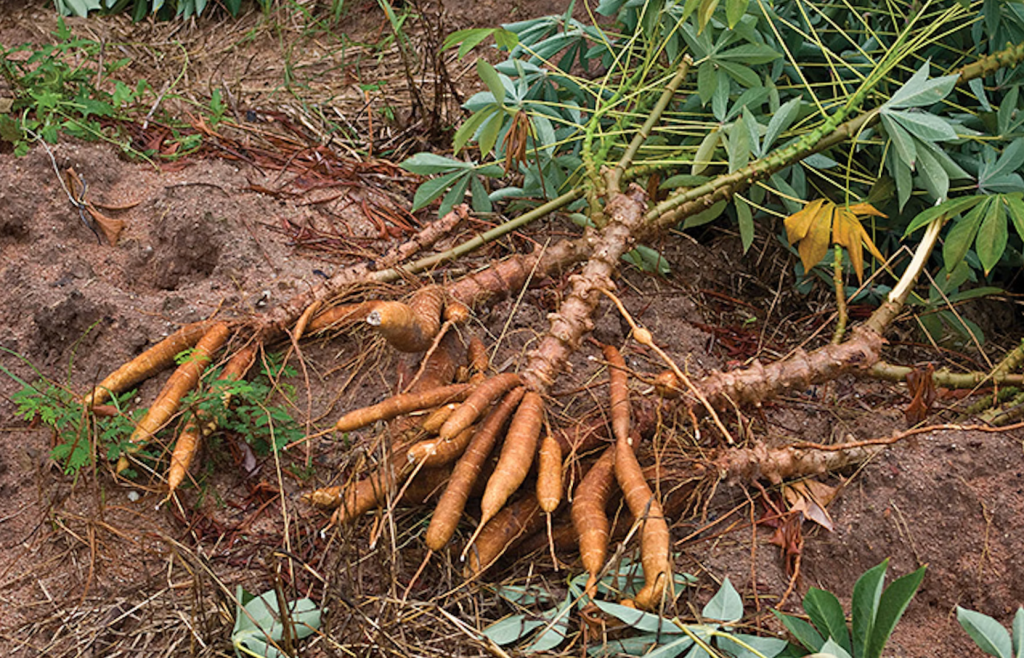
A Taíno Legacy That Kept People Alive
Before sugarcane, before rice, before wheat — there was cassava.
For the Taíno, Jamaica’s first inhabitants, cassava was more than food; it was the foundation of daily life. Their signature cassava bread, casabe, reflects a deep culinary tradition shared across the Caribbean. Linguistic and archaeological evidence suggests that the Arawakan-speaking ancestors of the Taíno likely emerged in the Orinoco River basin of northern South America and, over centuries, gradually moved into the islands. With them came highly developed cassava-processing techniques — grating, pressing, fermenting, and baking — all designed to transform this root into safe, nourishing, long-lasting foods.
Casabe was thin, crisp, and able to last for months, making it essential for travel, hurricanes, and times of scarcity. The Taíno also knew how to ferment cassava, extract its juices, and turn its starches into drinks, sauces, and medicinal preparations — a complete food system built around a resilient plant.
Cassava thrived in drought, storms, and poor soil, making it a natural survival food in a hurricane-prone region. These were not simple methods; they were sophisticated Indigenous food technologies honed over generations. Over time, however, colonization disrupted these practices — plantation crops reshaped the land, imported foods became standard, and some of the older cassava traditions faded from daily use.
Why Cassava Matters Now
Climate change is reshaping the Caribbean- Hurricane Melissa being the most recent unfortunate natural disaster to affect Jamaica (and neigbouring islands Cuba and Haiti).
Hurricanes are stronger, storms more frequent, and food imports more expensive.
Cassava is almost tailor-made — and probably not coincidentally, because nature is smart — for this moment:
- It tolerates poor soil and water stress.
- It can stay in the ground for up to two years — a natural pantry.
- It grows where other crops fail.
- It regrows quickly after storms.
Compared to other crops that are more vulnerable to extreme weather, cassava stands out as a quiet warrior.
Cassava is naturally gluten-free, rich in complex carbohydrates, and an important source of energy. Its root provides fiber, vitamin C, and essential minerals like potassium and magnesium, while its leaves offer high-quality plant protein, iron, and vitamin A when properly cooked. Cassava is also gentle on digestion and versatile enough to fit into many dietary needs. While it isn’t a high-protein food on its own, its strength lies in being a reliable, nutrient-supportive staple that pairs well with vegetables, legumes, and proteins to create balanced meals.
Jamaica Today: Using Only a Portion of a 100% Versatile Plant
In Jamaica today, cassava is mostly used in a handful of familiar ways:
- bammy
- fried chips
- flour
- occasional baked goods
- secondary uses as animal feed
These traditions are beautiful — but they represent only a portion of the plant’s full potential.
Living (and cooking a lot!) in Jamaica, I often wondered:
Where were the beverages, the leaf stews, the fermented foods?
Where were the recipes that make cassava exciting, comforting, or celebratory in other cultures?
Then came my return to Paris — and a continued food-curious education.
Cassava Around the World: How Humans and Nature Shape Food Together
Human beings across the tropics have spent thousands of years learning how to work with cassava — detoxifying it, fermenting it, shaping it, stretching it, and transforming it into breads, porridges, drinks, condiments, pastes, sauces, and feasts. While cassava originated in South America and the Caribbean, it began spreading across the Atlantic in the 15th and 16th centuries, when Portuguese traders carried it to parts of Africa and later to Asia. In each new region, communities adapted cassava in their own ways, developing techniques and dishes that reflect local climates, cultures, and ingenuity.
This sets the stage for a root-to-leaf journey through cassava traditions across the world, region by region.
Please note that the examples listed below are not exhaustive — especially for large and diverse countries such as Nigeria and India, where cassava is used in countless regional ways. Many of the dishes listed also overlap across borders and are shared or adapted by neighbouring countries. Apologies in advance if there are any errors- food is a very complex sophisticated topic and I do my best to research everything within the best of my abilities and linguistic capacities.
🌎 SOUTH AMERICA
South America — especially the Amazon basin — holds some of the world’s oldest and most sophisticated cassava traditions. Many of these come directly from Indigenous communities who developed advanced ways of grating, pressing, fermenting, and cooking cassava.
🇧🇷 Brazil
- Beiju / Bijajica – thin cassava flatbreads similar to Caribbean casabe
- Farofa – toasted cassava meal sprinkled over stews
- Pão de queijo – cheese bread made with cassava starch
- Pamonha – cassava tamales steamed in leaves
- Tapioca crepes – hydrated cassava starch cooked into flatbreads
- Bolinho de mandioca – fried cassava balls
- Cassava purées and boiled root dishes
- Cassava dumplings in stews
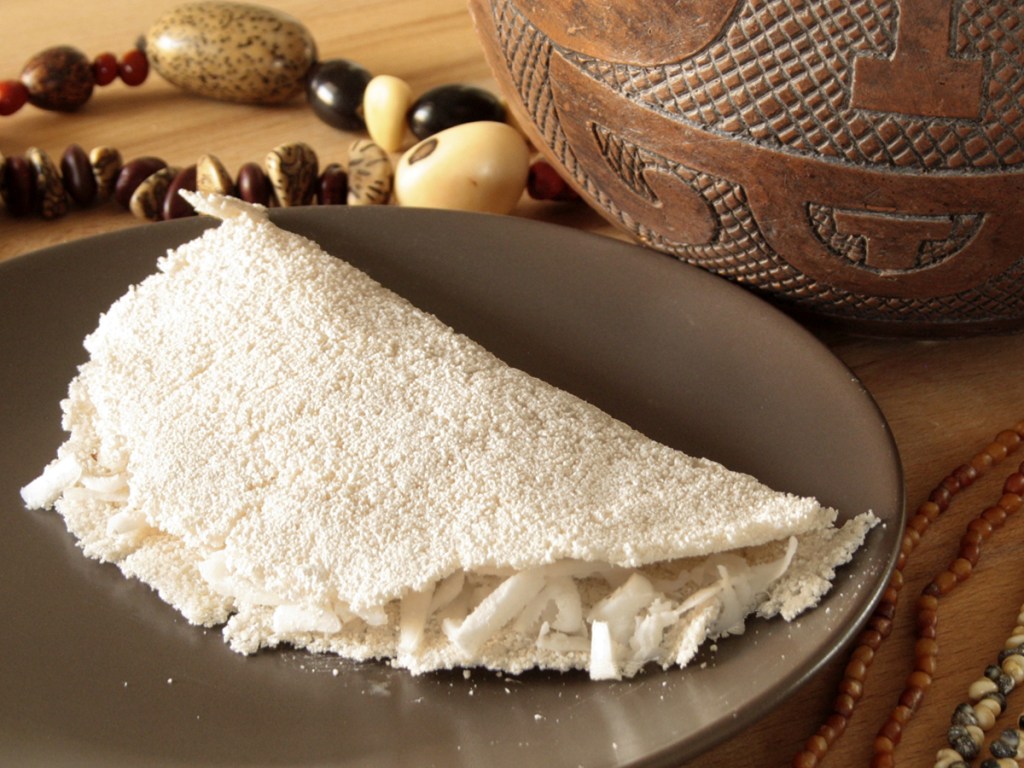
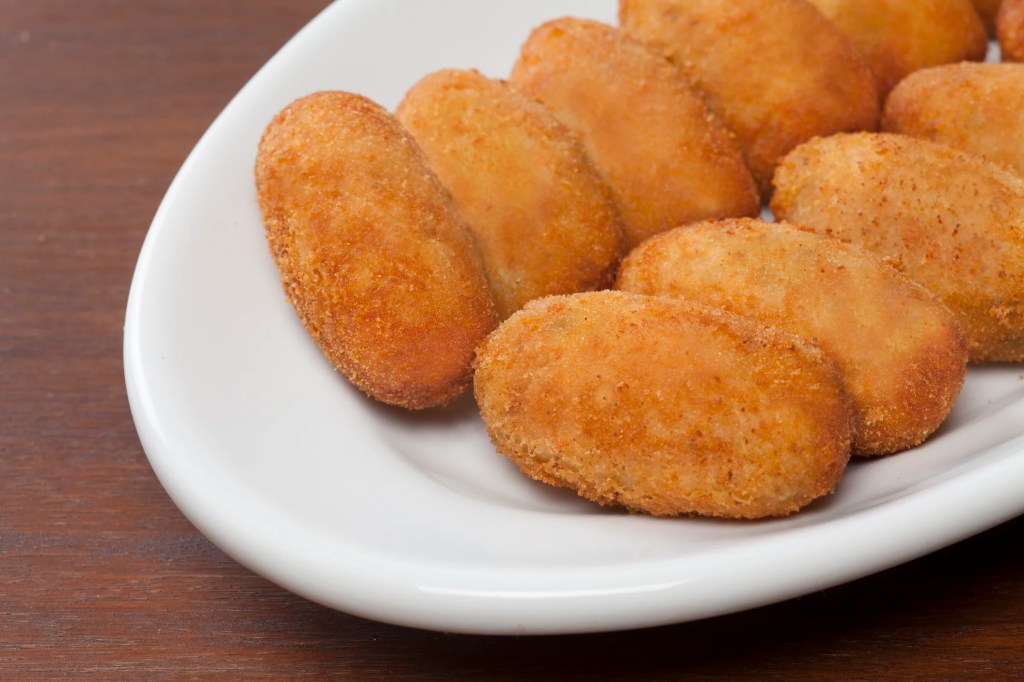
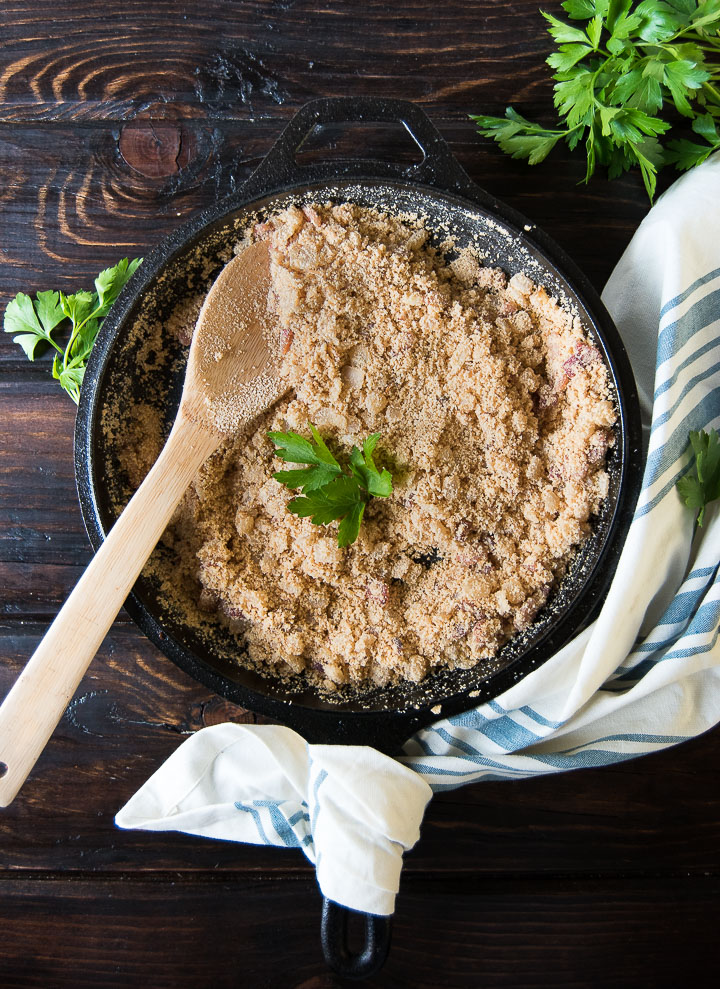
L to R: Beiju de tapioca (saborbrasil.it), Bolinho de Mandioca Frito (Receita da Boa), Farofa (Brazilian Kitchen abroad)
Fermented Cassava Condiments & Preparations
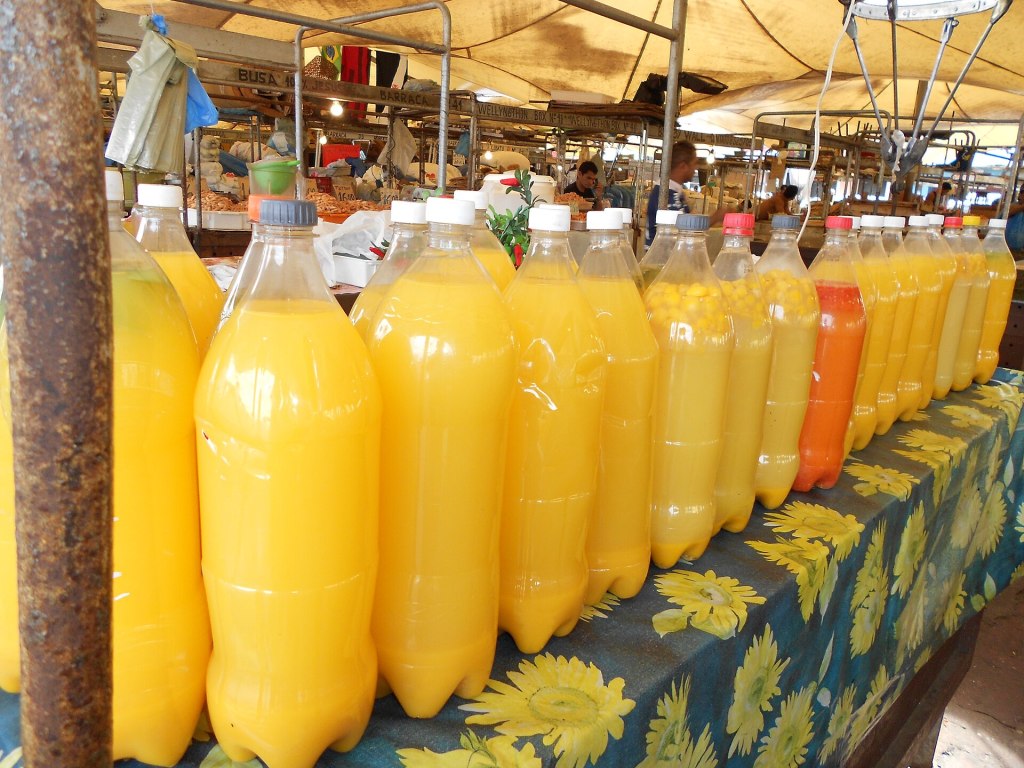
Tucupi (fermented cassava juice)
A bright yellow, tangy broth made from fermented cassava liquid- image below from Wikipedia.
Tucupi is then used in a variety of dishes such as :
- Tacacá (famous Amazonian street soup)
- Pato no tucupi (duck cooked in tucupi)
- Soups, sauces, seasoning liquids
Manipueira Reductions (“Black Tucupi”)
Fermented, boiled-down cassava juice with deep umami flavor — used as a condiment, similar to cassareep.
Polvilho Azedo (fermented cassava starch)
A tangy, elastic starch used in:
- pão de queijo
- biscuits
- chewy breads
Cassava Vinegars
Longer fermented manipueira used as a souring liquid in some Amazonian communities.
🇵🇪 🇪🇨 Peru & Ecuador
- Chicha de yuca – fermented cassava drink
- Casabe-style breads
- Cassava in Amazonian soups with chili and herbs
- Chapana – an indigenous dessert from the Peruvian jungle made with grated cassava, wrapped in banana leaves.
- Cassava used in riverbank Indigenous cooking traditions
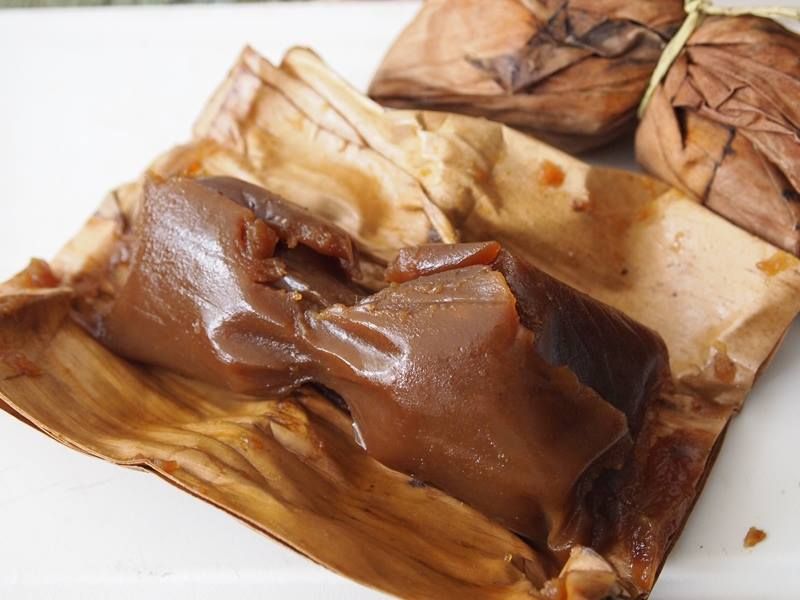
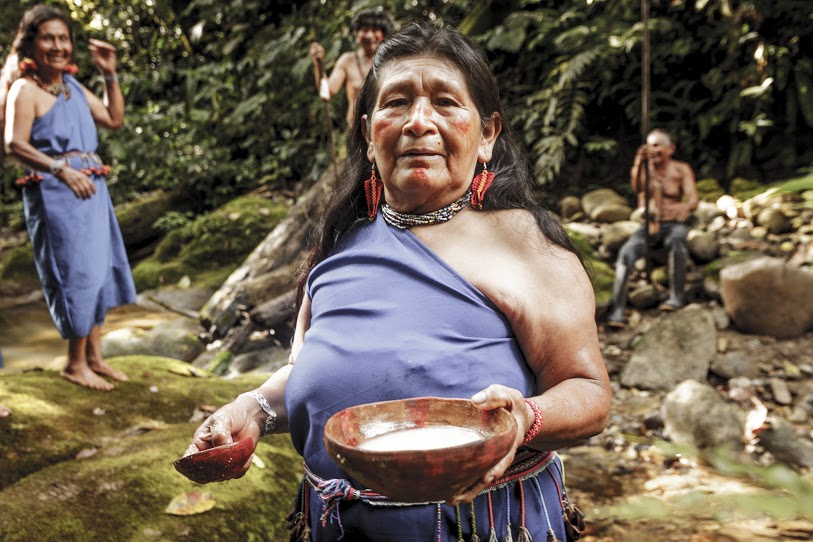
L to R: Chapana (Yanuq.com), A woman from the Taruka community shares Chicha de Yuca, in Ecuador (Global Landscapes Forum)
🇨🇴 🇻🇪 Colombia & Venezuela
- Casabe – common on coastal regions
- Yuca con Hogao – tender boiled cassava topped with a savory tomato-scallion sauce called hogao
- Arepas de yuca – cassava arepas
- Cassava fritters and porridges
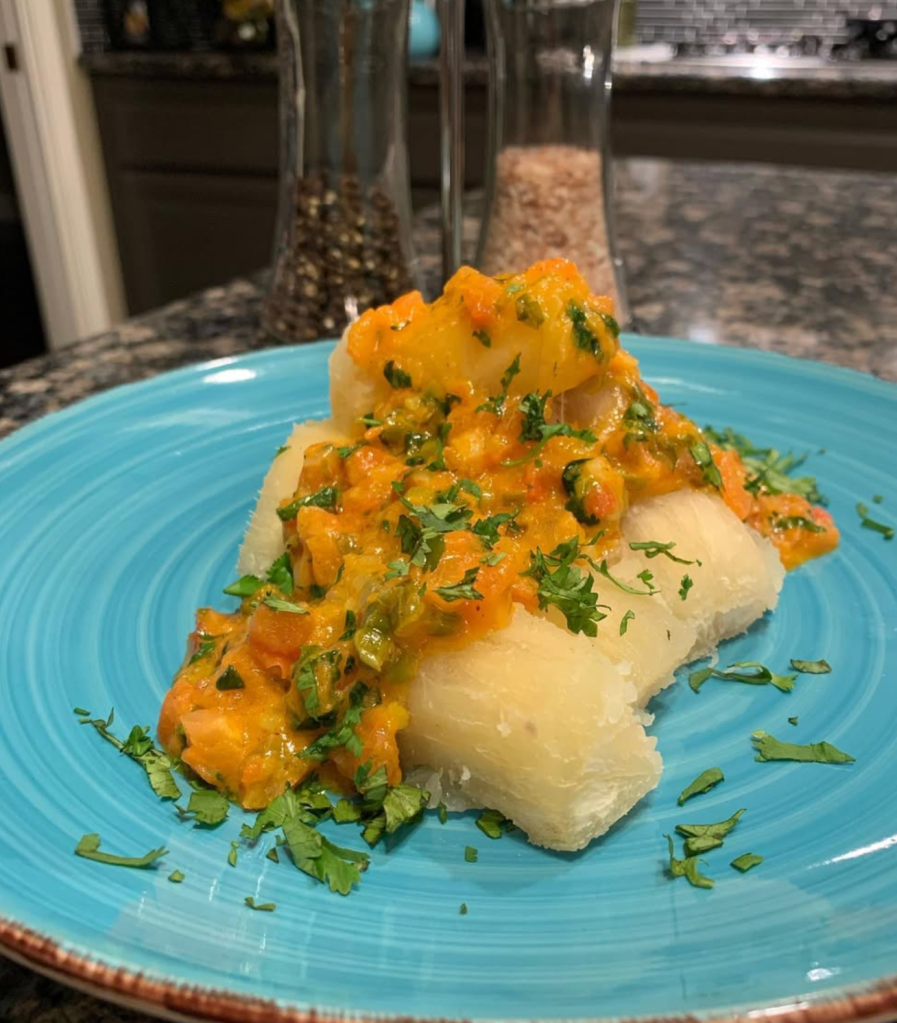
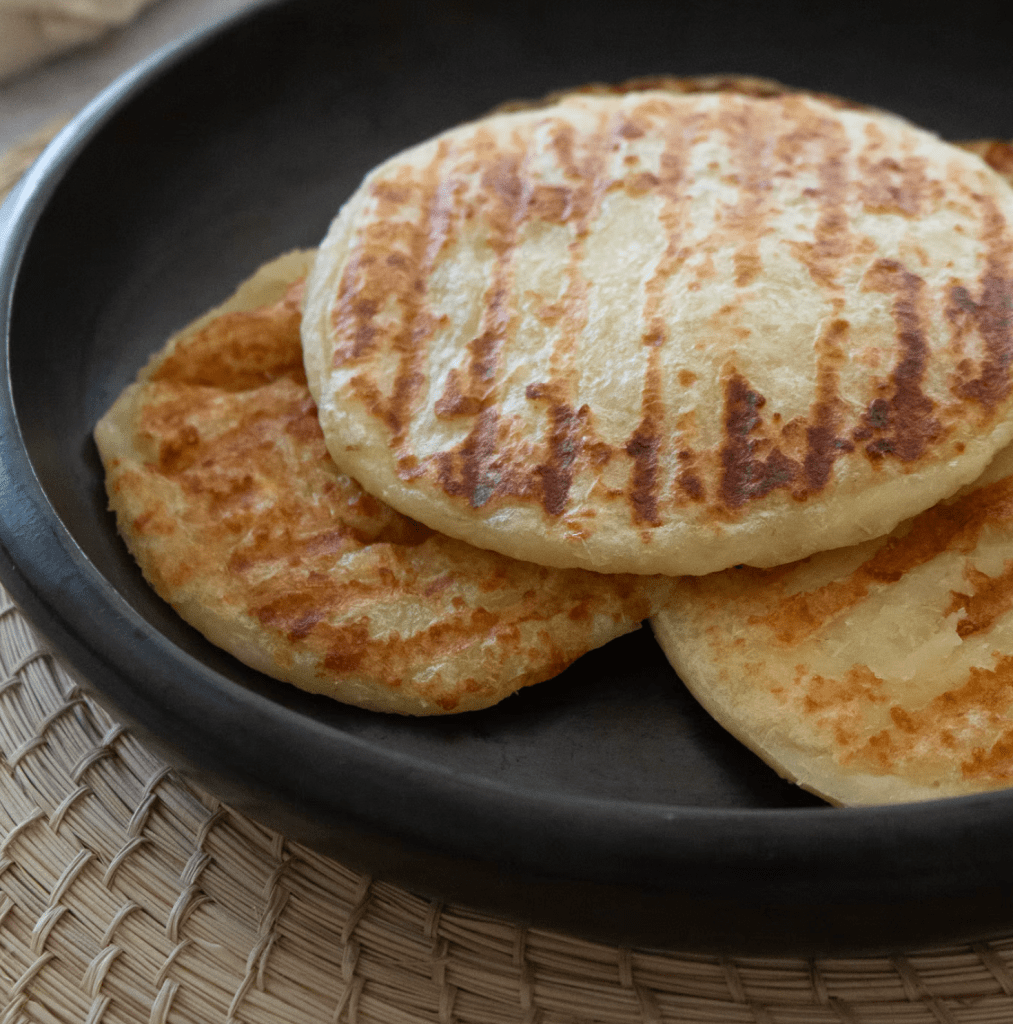
From L to R: Yuca con Hogao (Cocina Con Sarri), Arepas de Yuca (Colombian Foodie)
🌴 THE CARIBBEAN (Regional Cassava Family)
Cassava shows up across the Caribbean in breads, porridges, cakes, dumplings, drinks, and sauces — a living connection to Taíno and Arawakan foodways.
🇯🇲 Jamaica
- Bammy – cassava flatbread
- Cassava chips (which appears in many other Caribbean and South American countries of note!)
- Cassava puddings
- Cassava flour
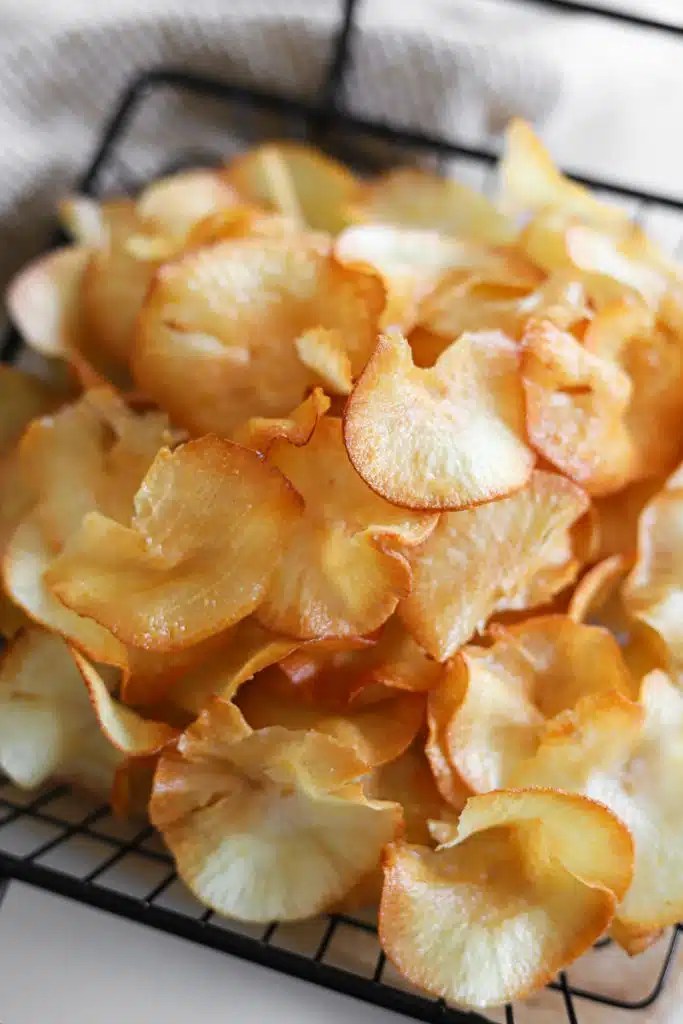
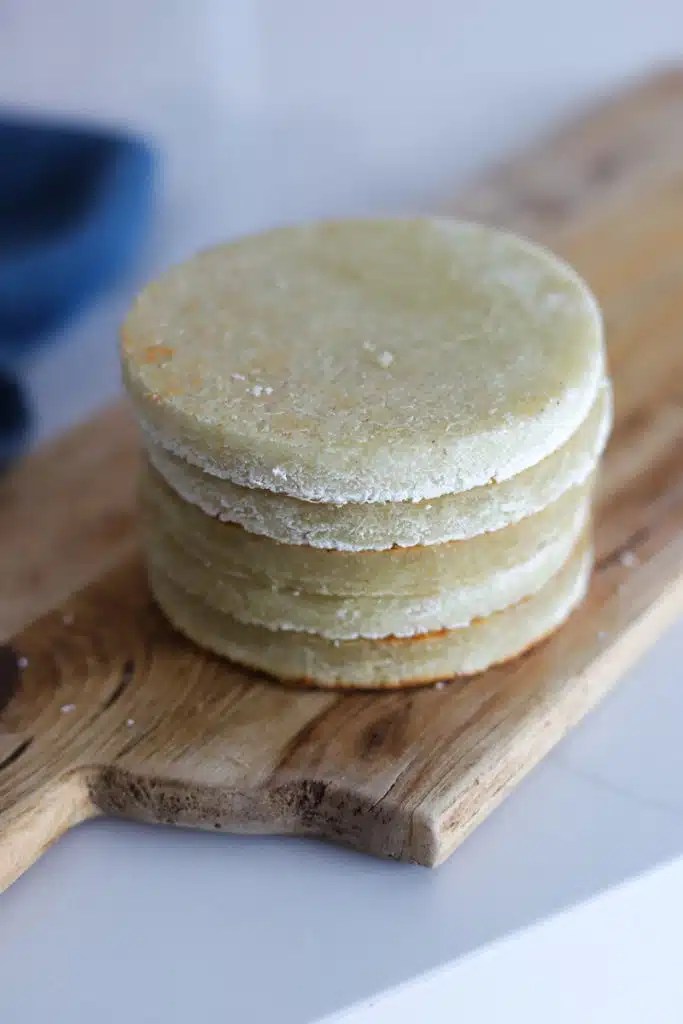
From L to R: Cassava Chips, Bammy, both made from scratch and from The Seasoned Skillet
🇩🇴 🇭🇹 Dominican Republic & Haiti
- Casabe – large, hand-crafted cassava disks
- Arepitas de Yuca – cassava fritters
- Bolo de yuca / Pain de manioc
- Kasav– thin or slightly thick disks of grated cassava baked on a flat surface
- Kasav Dou– a dessert version of Kasav
- Kasav Manba– Cassava bread spread with Haitian peanut butter (manba)
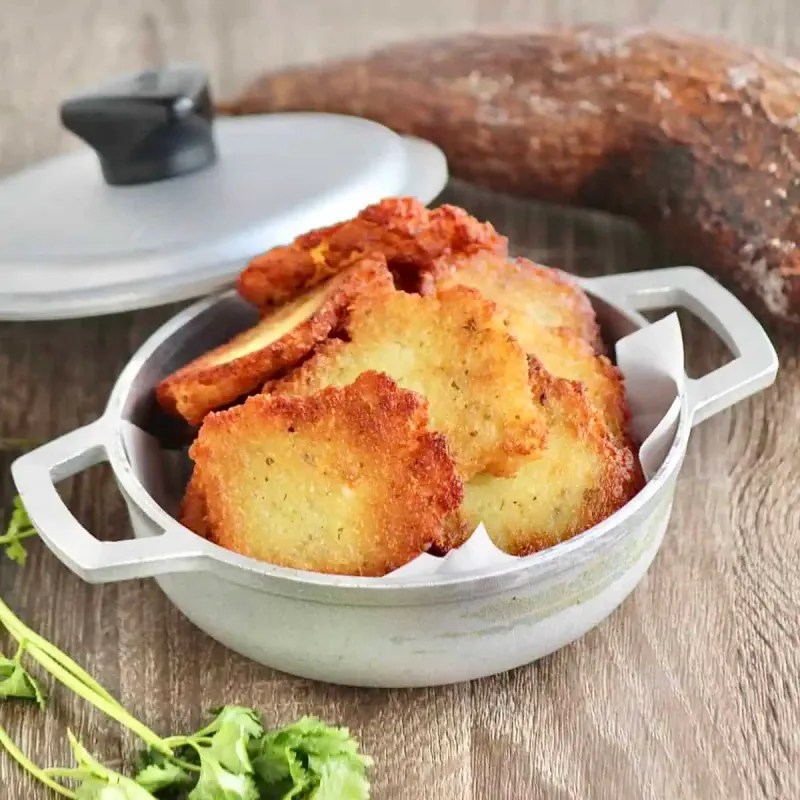
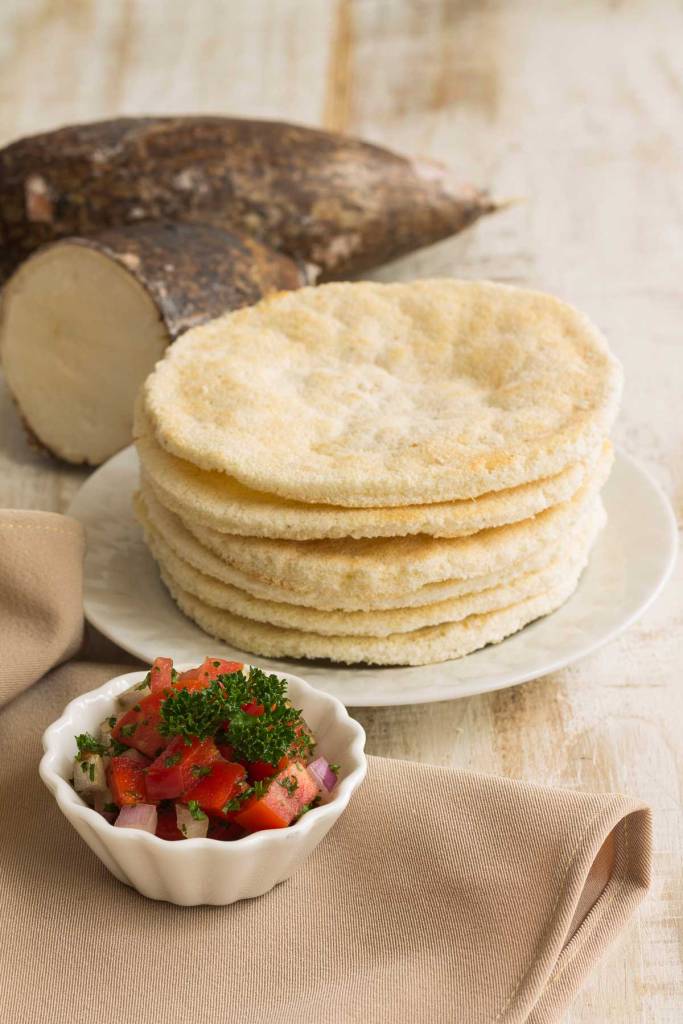

L to R: Arepitas de Yuca (Break Thru Kitchen), Casabe (Amigo Foods), Kasav and Mamba (The Haitian American)
🇨🇺 Cuba
- Yuca con mojo – cassava with garlic-citrus sauce
- Casabe
- Cassava croquettes/Croqueta de Yuca

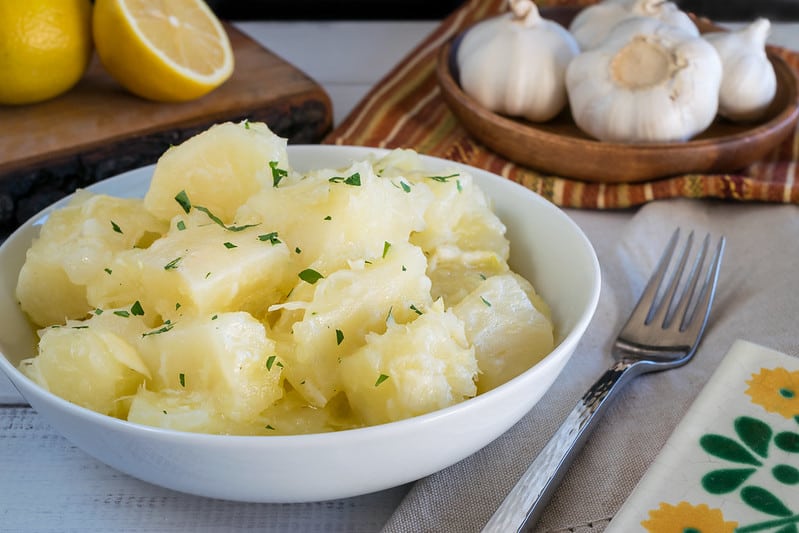
From L to R: Casabe Cubano (Cuba Llama), Cuba con Mojo (Todo Cuba)
🇹🇹 Trinidad & Tobago
- Cassava pone (also in other Caribbean countries such as Guyana)
- Cassava dumplings in soups
- Butter Cassava
- Cassava boil and fry- a simple Trinidadian dish where cassava is boiled until tender, then lightly fried with onions, peppers, and herbs
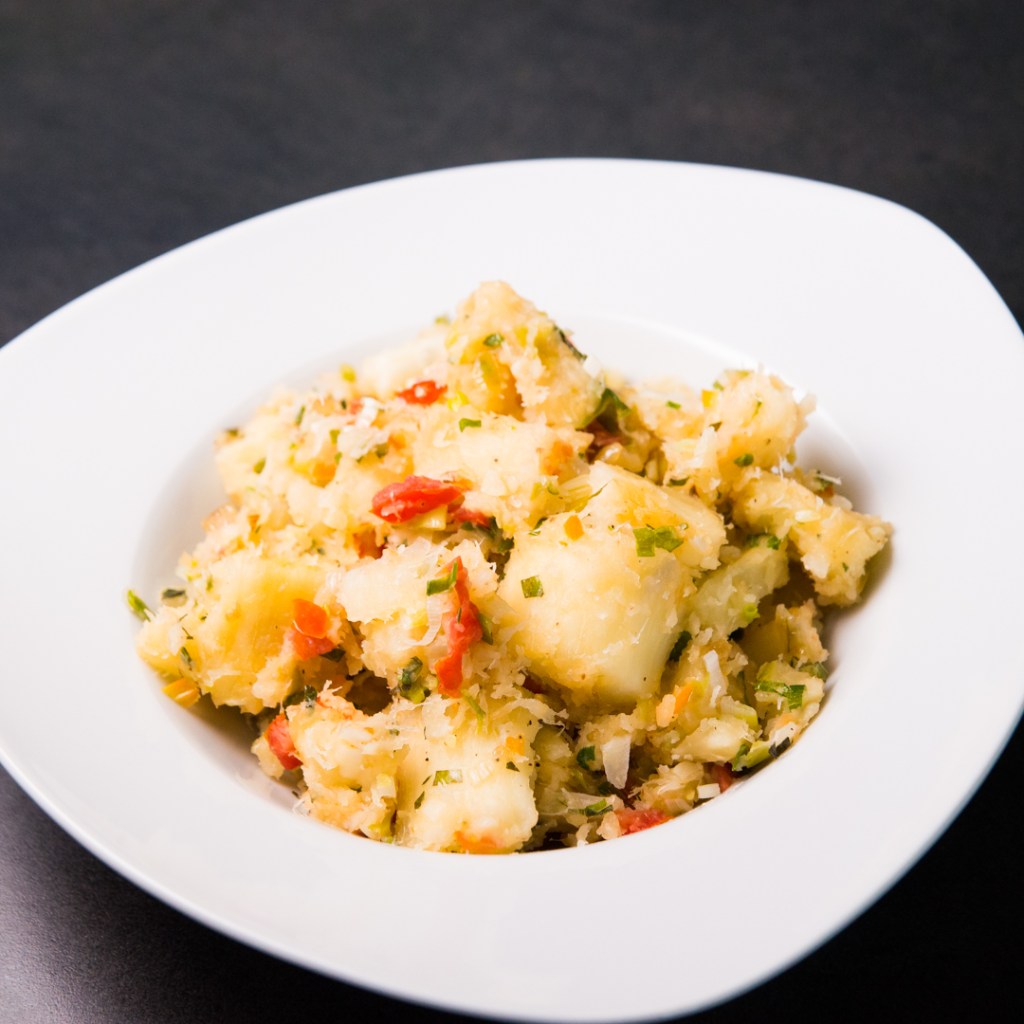
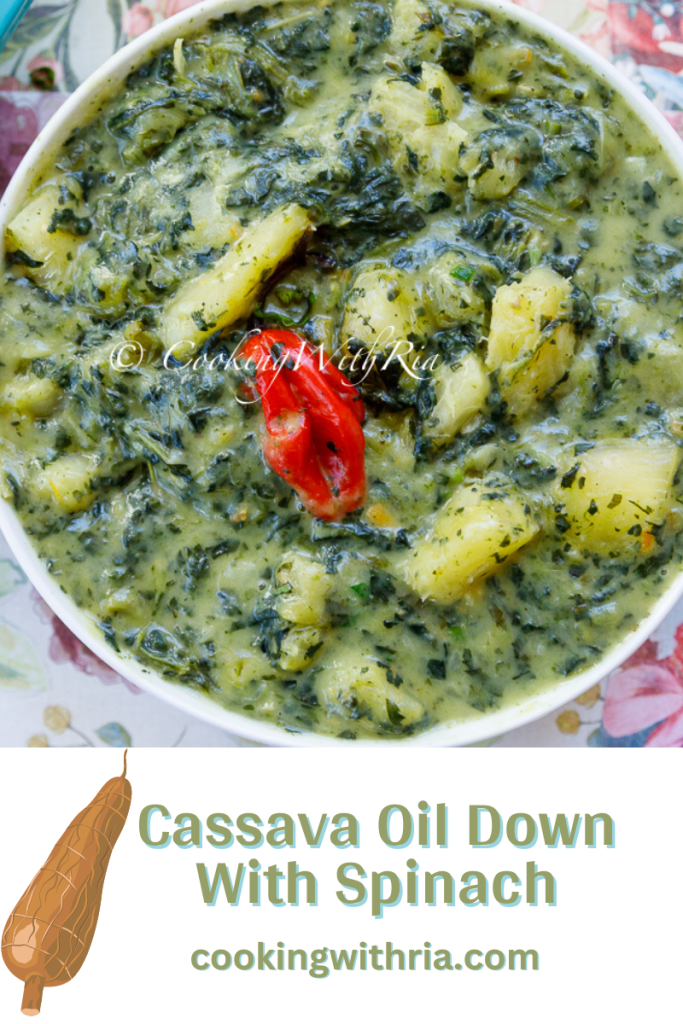

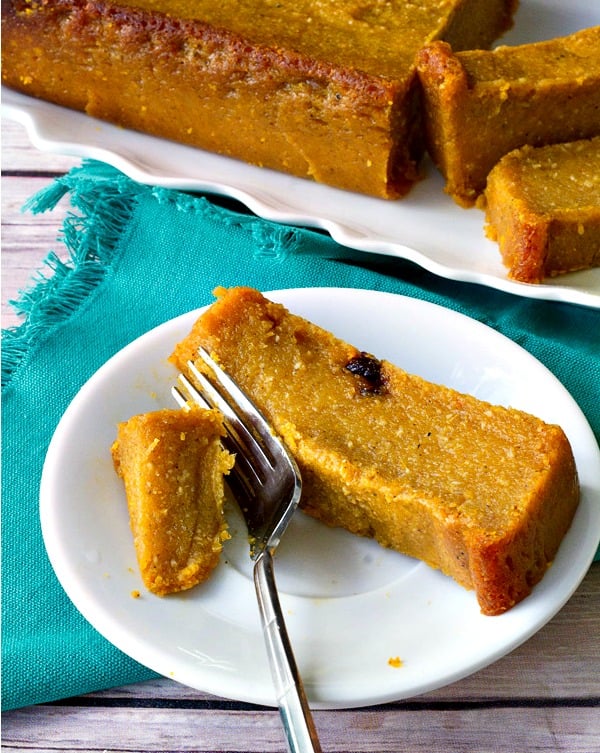
From L to R: Cassava Boil and Fry (Foodie Nation), Cassava Oil Down (Cooking with Ria), Butter Casava (This Bago Girl), Pone (This Bago Girl)
🇬🇩 Grenada
- Cassava flat bakes
- Cassava puddings
- Cassava added to oil down
🇻🇨 St. Vincent & the Grenadines
- Cassava bread
🇬🇾 Guyana
- Cassareep (rich cassava reduction used in pepperpot)
- Cassava bread
- Tapioca porridge
- Farine (cassava grits)
- Cassava starch sweets


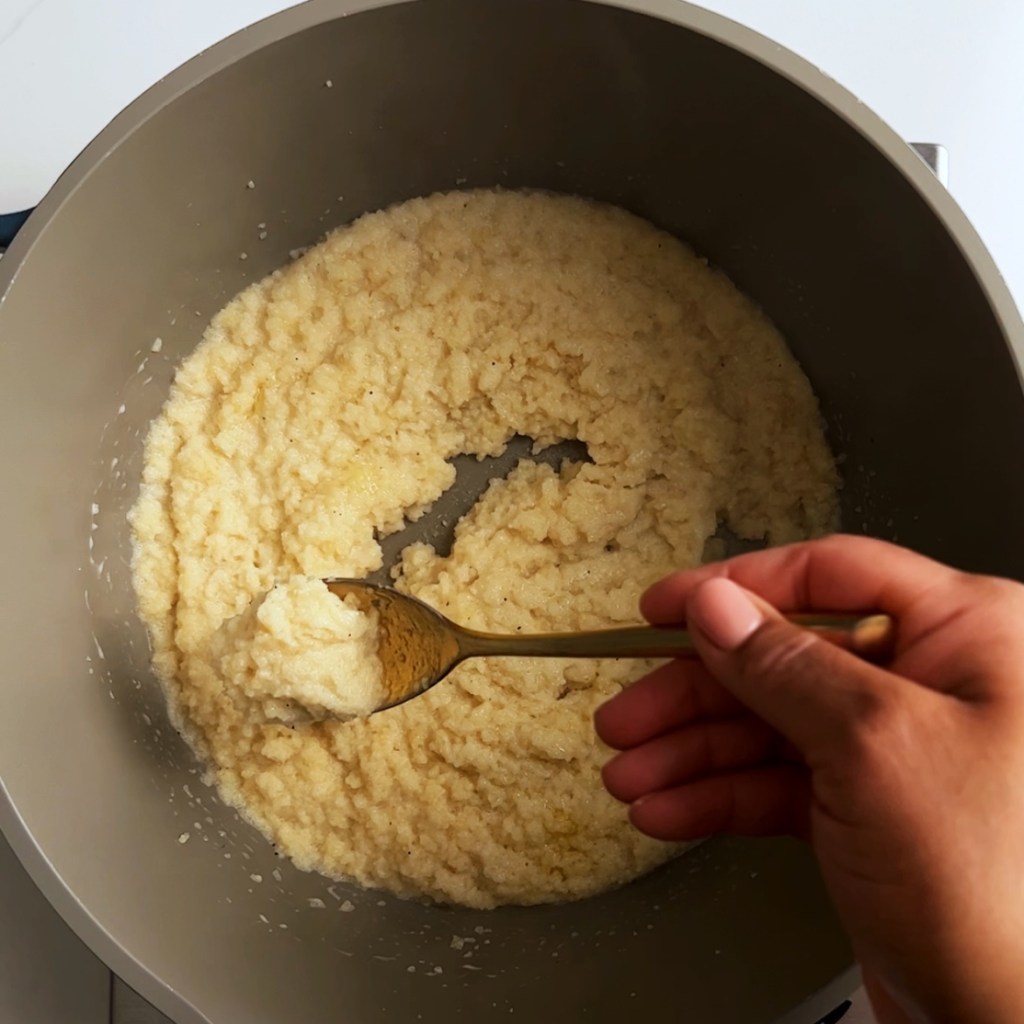
From L to R: Cassava Flat Bakes (GFNC.gov), Casareep, Creamy Farine (from the very talented Metemgee )
🌍 AFRICA
In West and Central Africa, cassava is a staple food — eaten root-to-leaf, fermented, pounded, dried, or cooked fresh.
Core Preparations
- Gari – fermented, dried granules eaten with water, milk, or stews
- Fufu – pounded cassava dough
- Attiéké – couscous-like fermented cassava, also considered an intangible Unesco heritage
- Chikwangue / Bobolo / Kwanga – fermented cassava wrapped in leaves
- Cassava flour (lafun, kokonte)
- Cassava fries and boiled root dishes
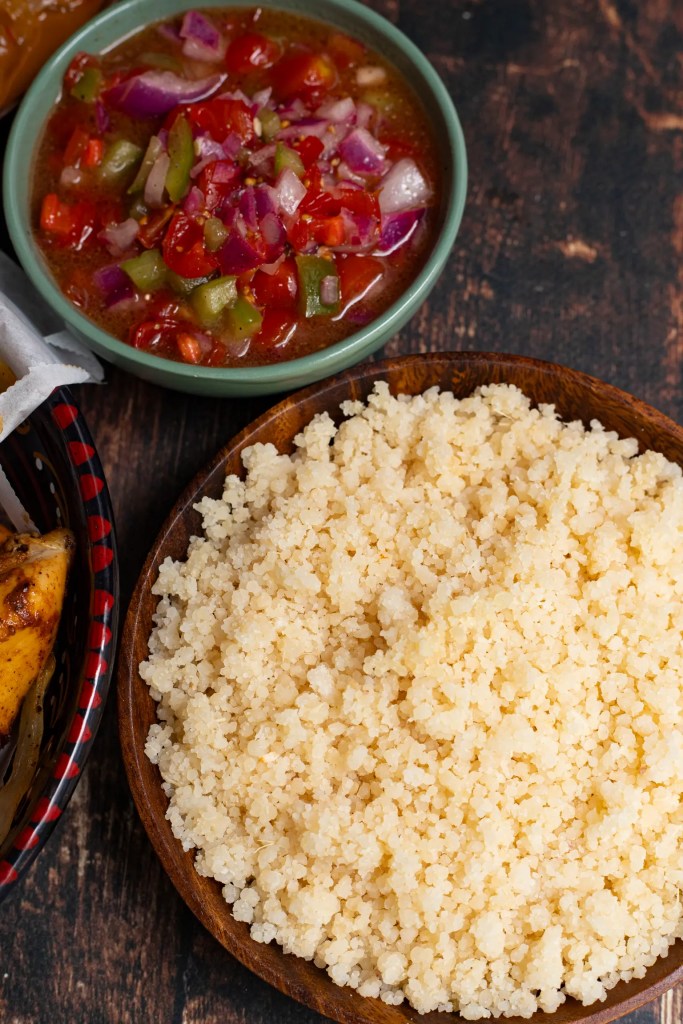
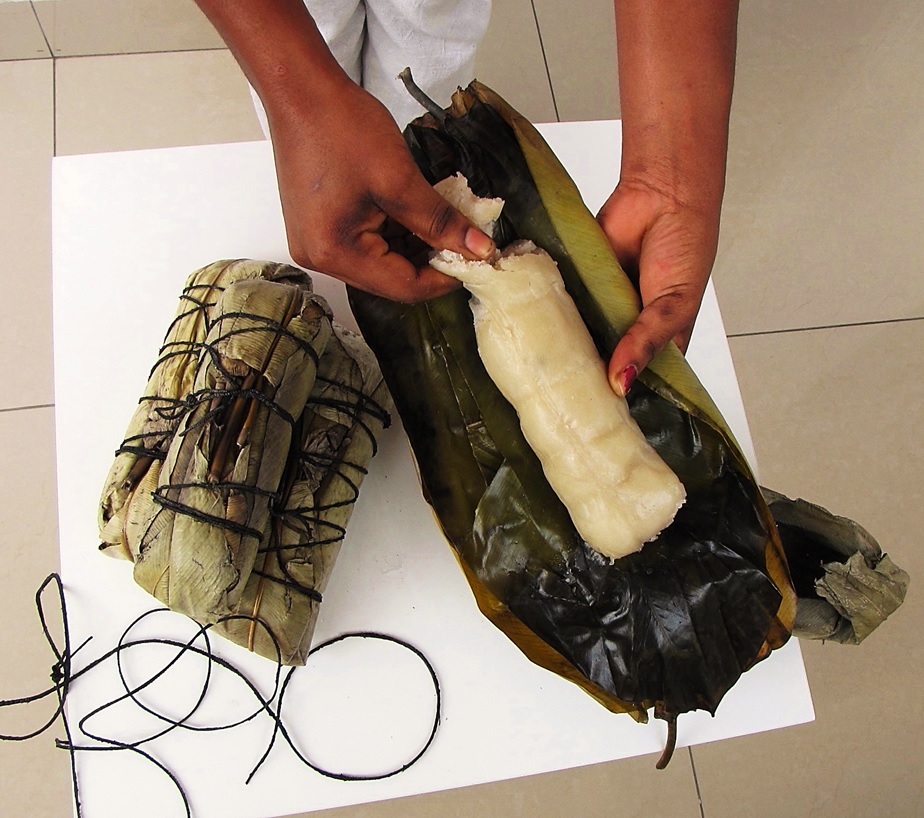
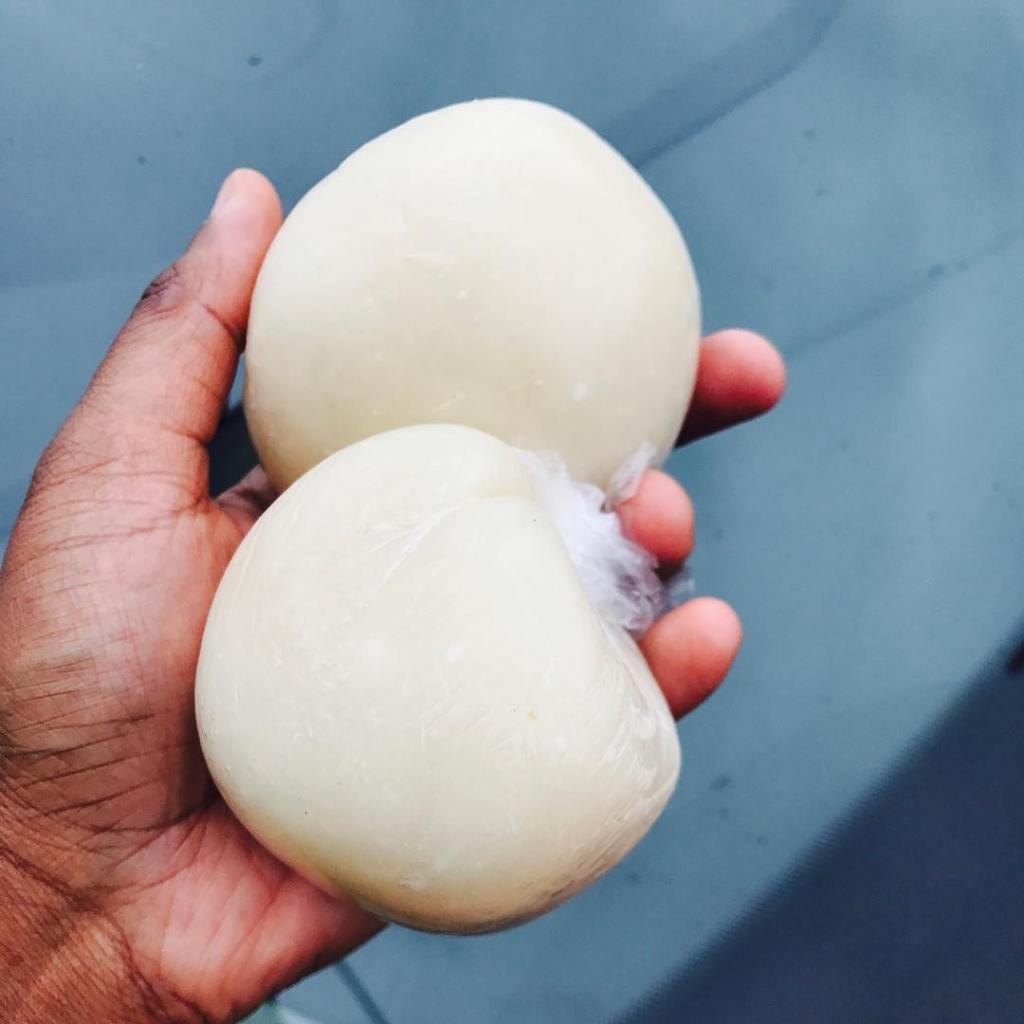
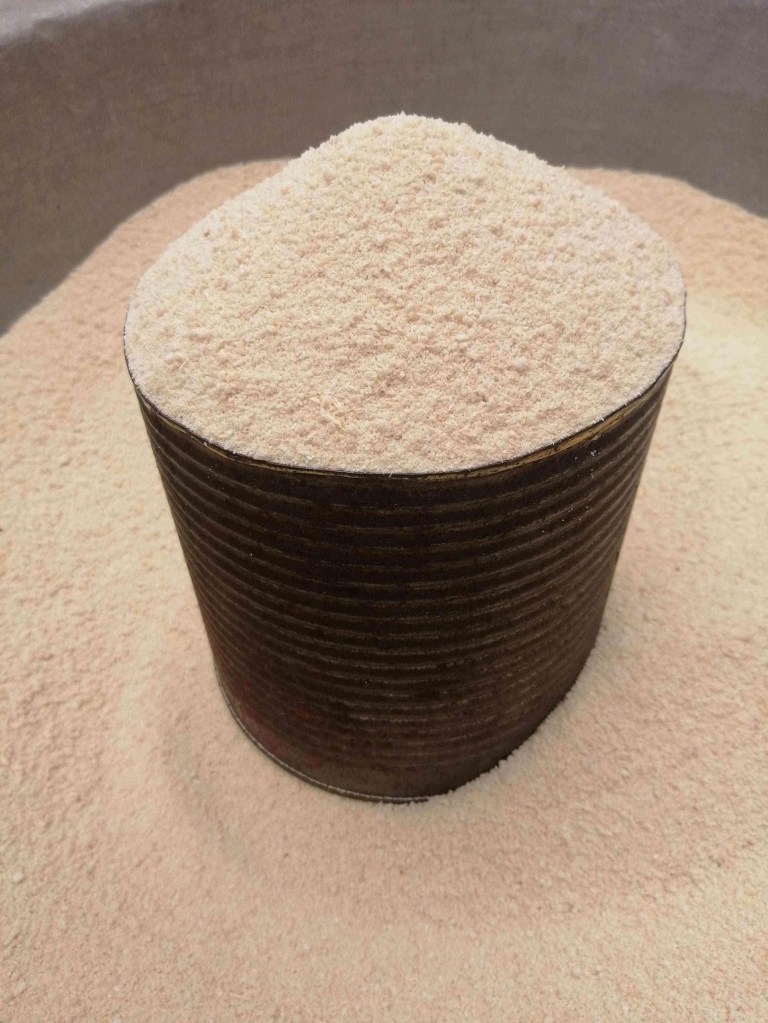
L to R: Attieke (Aistou Cuisine), Chikwangue (Wikipedia), Fufu (Dooney’s Kitchen), Gari (African Goods Market)
Cassava Leaves
- Saka Saka / Pondu – stewed cassava leaves (Congo, Central Africa)
- Plasas – cassava leaf stew in Sierra Leone
- Liberian cassava leaf stew
- Matapa (see Mozambique below)
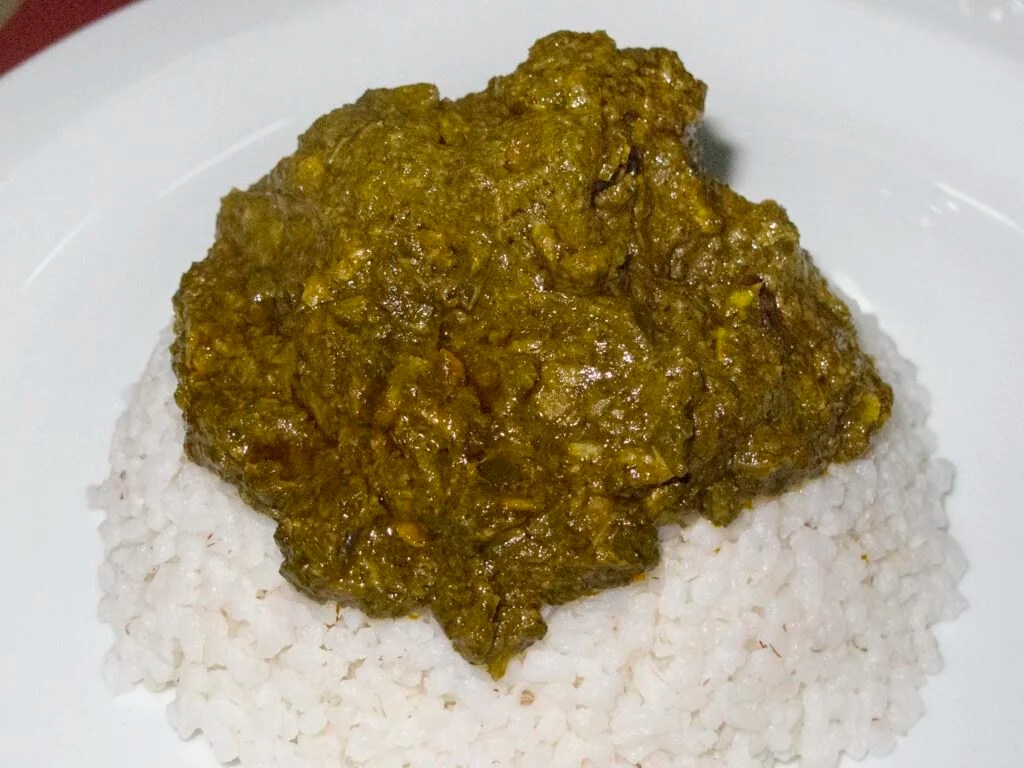

L to R: Plasas (Eat Your World), Saka Saka/Pondu (Makusa243)
Country-Specific Additions
🇳🇬 Nigeria
- Abacha (African salad using shredded dried cassava)
- Fufu variations- made from boiled starchy ingredients (cassava, plantain, yam, pounded until smooth and stretchy. Unlike Banku (see Ghana below), Fufu is not fermented.
- Cassava fritters (ex: Puff Puff)
- Bobozi: a wet cassava snack also nicknamed as “Air Condition” because it cools the body on a hot day
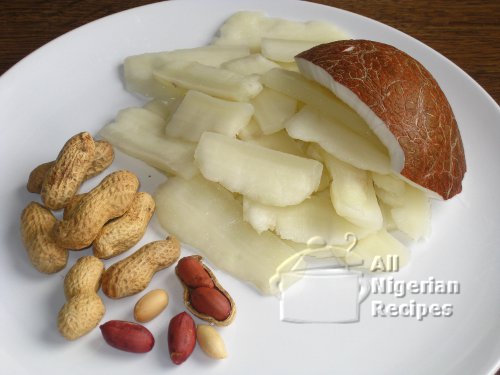
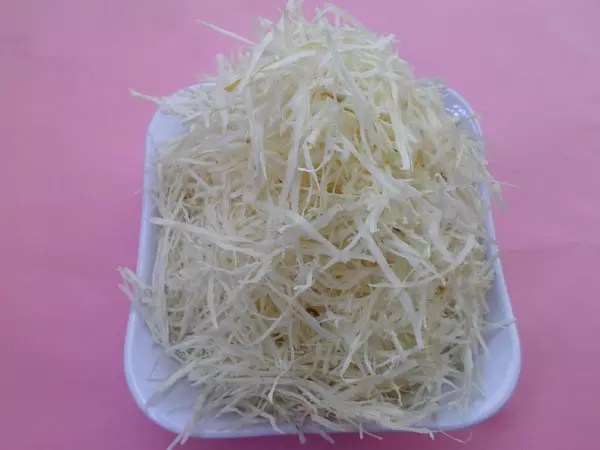
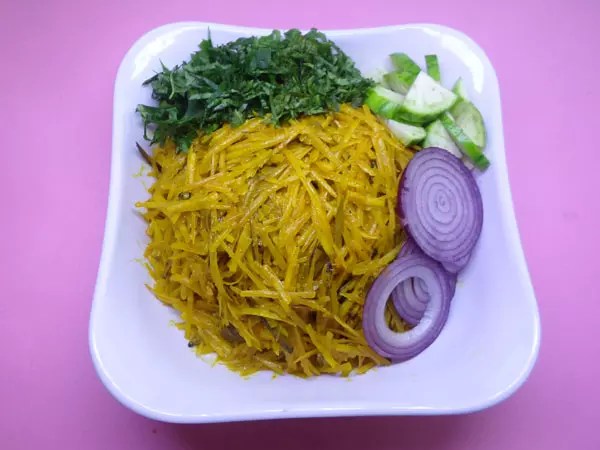
L to R: Bobizi and the ingenious use of dried cassava that is then rehydrated to make Abacha (AllNigerianFoods.com)
🇬🇭 Ghana
- Agbeli Kaklo- a very crunchy Ghanaian (and Togolese snack) made from cassava and mostly eaten with hard coconut.
- Banku- made of a slightly fermented cooked mixture of maize and cassava doughs formed into single-serving balls. Unlike Fufu, it is cooked (not pounded).
- Agbelima- a fermented cassava meal widely consumed in Ghana, Togo and Benin
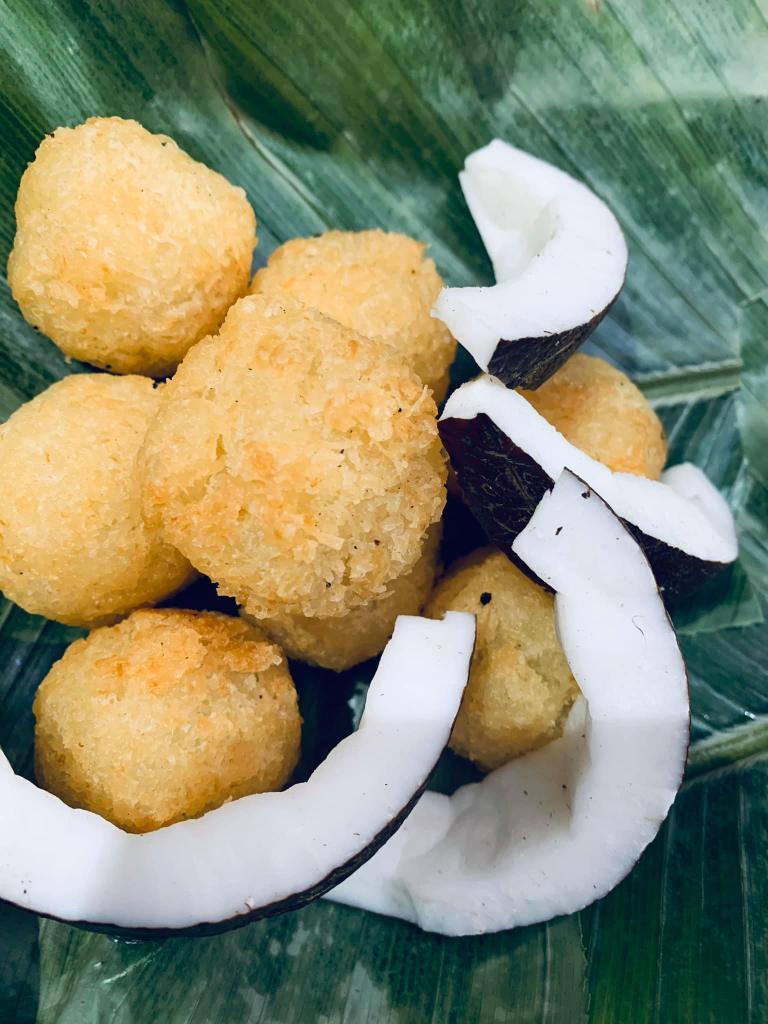
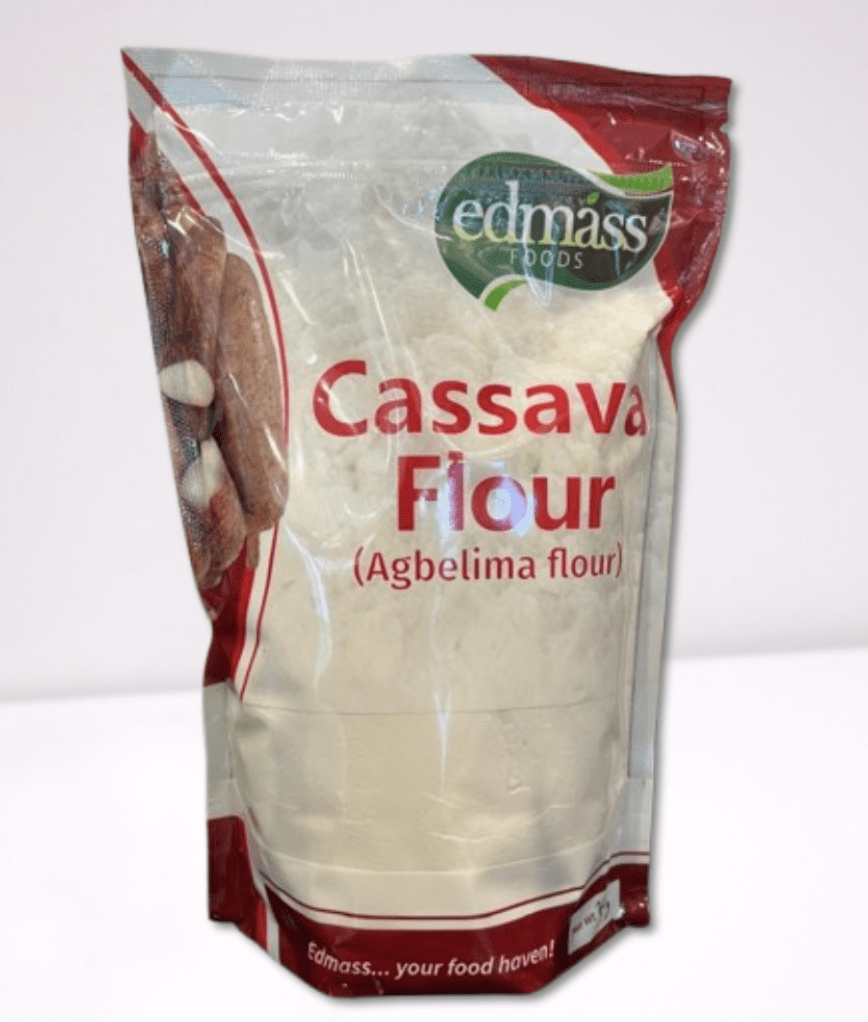

L to R: Agbeli Kaklo (GG’s Kitchen New York), Agbelima (OneAfrica.Online), Preparation of Banku (Wikipedia)
🇲🇿 Mozambique & 🇦🇴 Angola
- Fried and boiled cassava
- Cassava with palm oil dishes
- Cassava porridges such as Funge, typical of Angola
- Matapa- a Mozambican dish made from ground cassava leaves cooked in coconut milk with peanuts and garlic, often served with rice or cassava
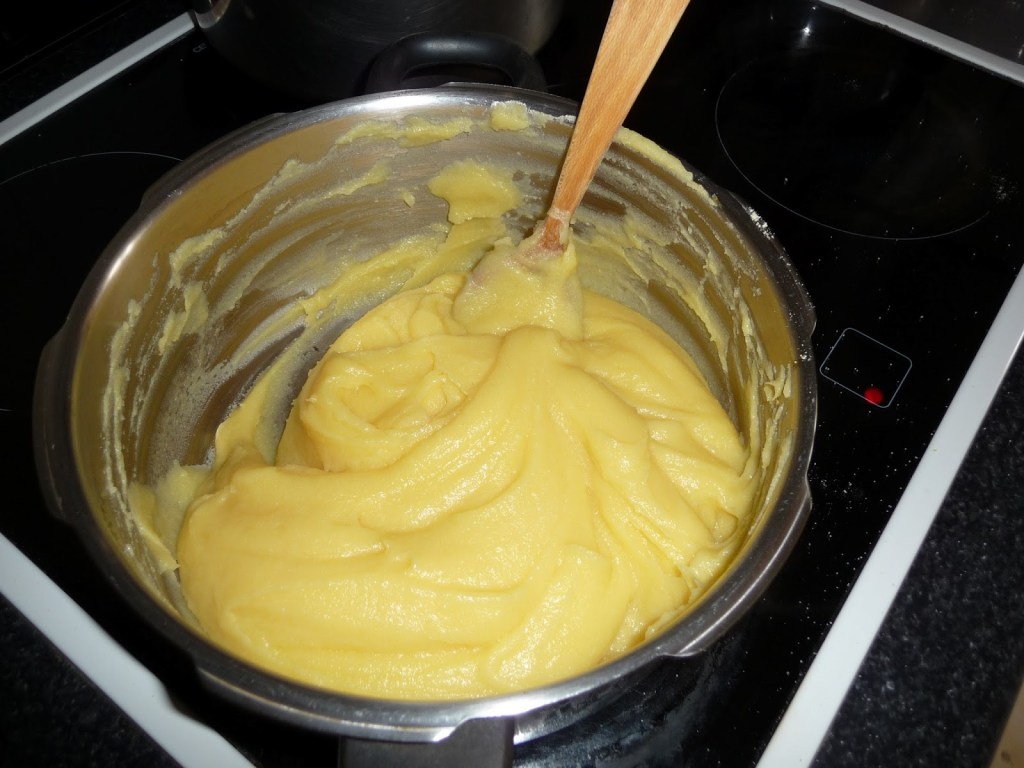

L to R: Funge (Travelling Kitchen), Matapa (Explorers.Kitchen)
🌏 ASIA
Though not native, cassava became deeply integrated into Asian cuisines, especially through colonization and trade.
🇮🇳 India
- Kappa Puzhukku- boiled tapiocas cooked in a ground paste of coconut and spices, seasoned with sauteed onions, red cillies, mustard seeds and curry leaves.
- Cassava chips
- Cassava fritters (bhajiya-like)
- Cassava halwa (sweet pudding)
- Kappa Stir Fry/Sabzi

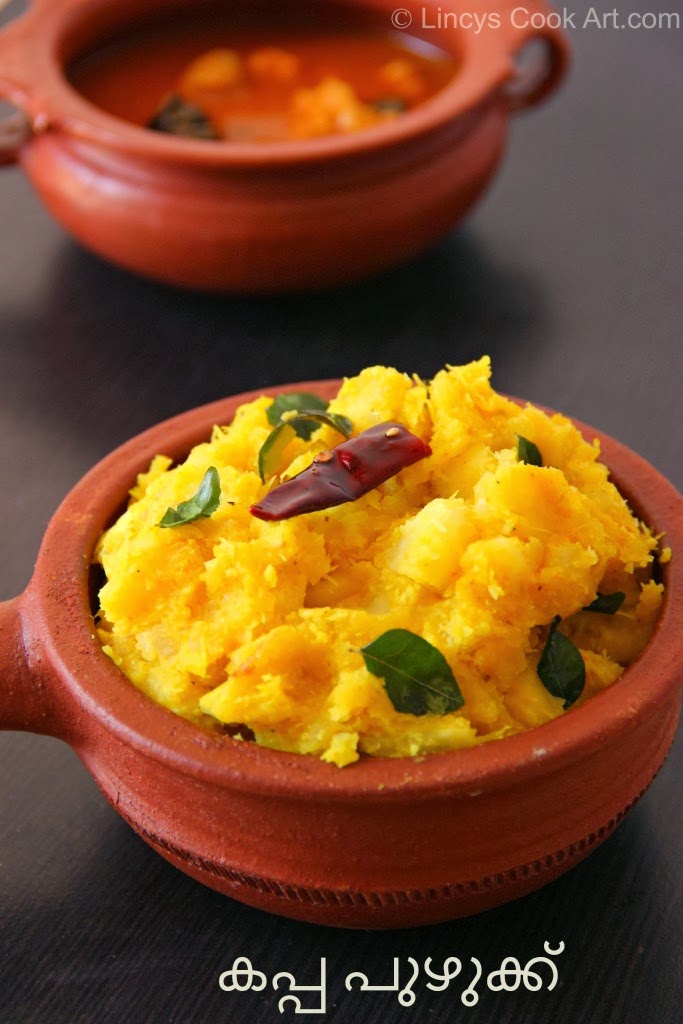
L to R: Kappa Sabzi (Lathi’s Kitchen), Kappa Puzhukku (Lincy’s Cook Art)
🇮🇩 Indonesia & Malaysia
- Singkong goreng – fried cassava
- Getuk – mashed cassava cakes
- Tape singkong – fermented cassava dessert/snack
- Cassava starch snacks
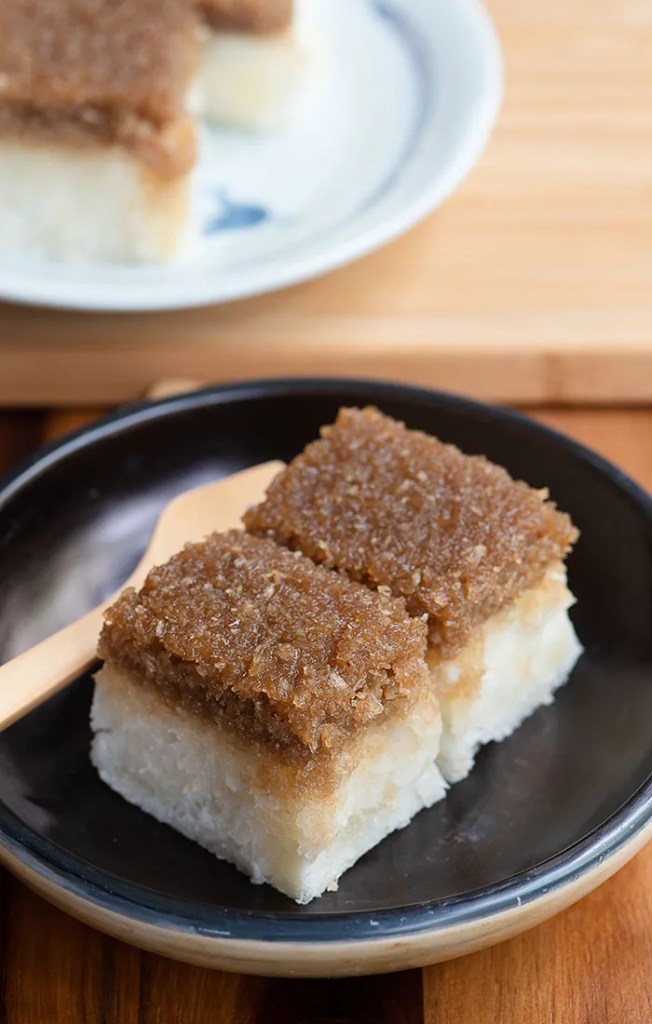

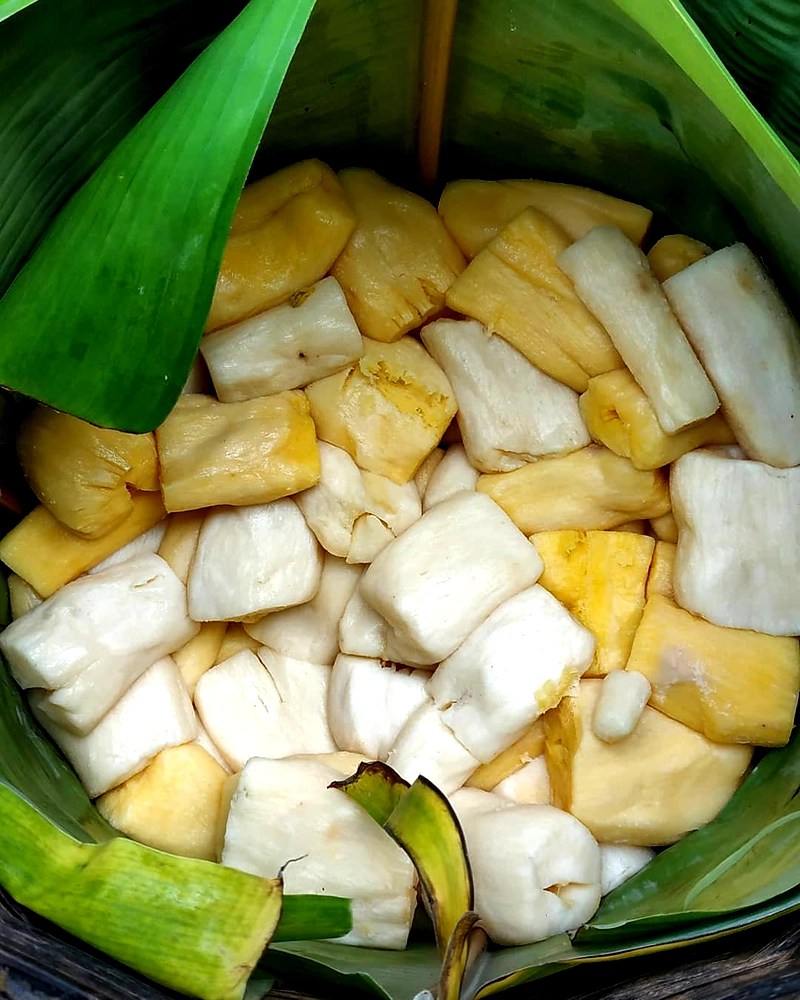
L to R: Getuk Ubi (Lisa’s Lemony Kitchen), Singkong Goreng (IDNTIMES), Tape Singkong (nibble.id)
🇵🇭 Philippines
- Cassava cake
- Pichi-pichi
- Cassava bibingka
- Cassava suman-style puddings
🇻🇳 Vietnam
- Cassava noodle production
- Cassava porridge
- Cassava is eaten boiled or steamed with sugar or sesame
- Bingka Ubi Kayu- cassava coconut cake
- Khoai mi nuoc cot dua- steamed cassava topped with sweet coconut milk dessert
🇹🇭 Thailand
- Cassava snacks
- Cassava chips
- Cassava starch used in desserts
- Khanom Saku Piak- Thai sweet sago (Tapioca pearl) pudding
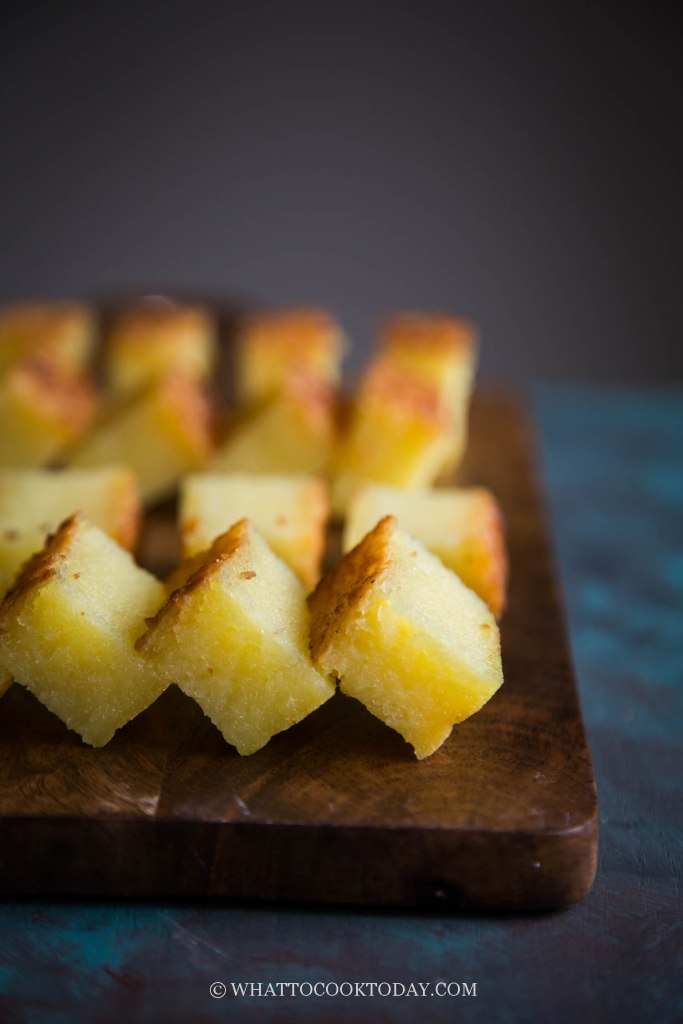
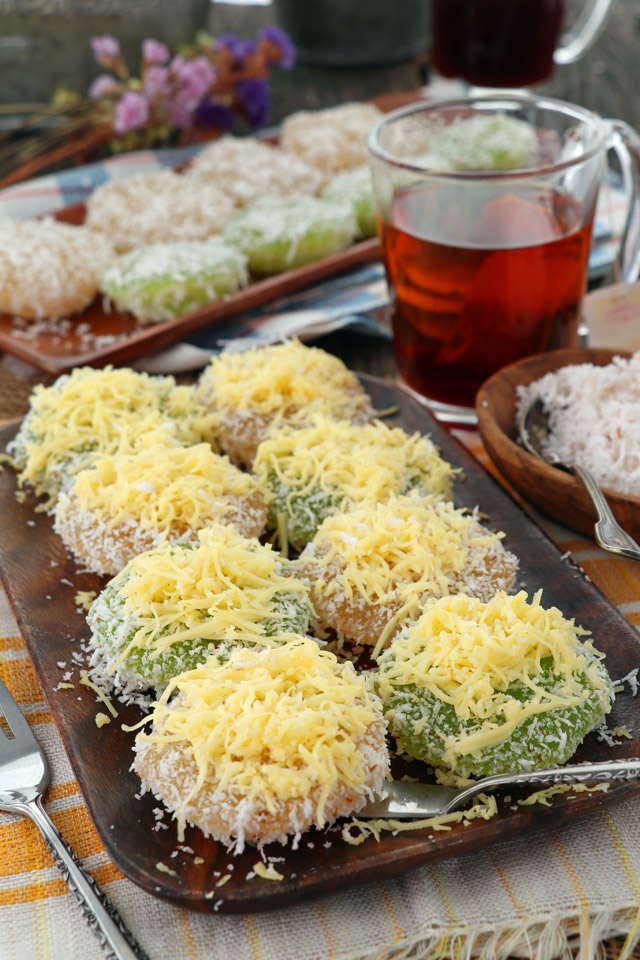
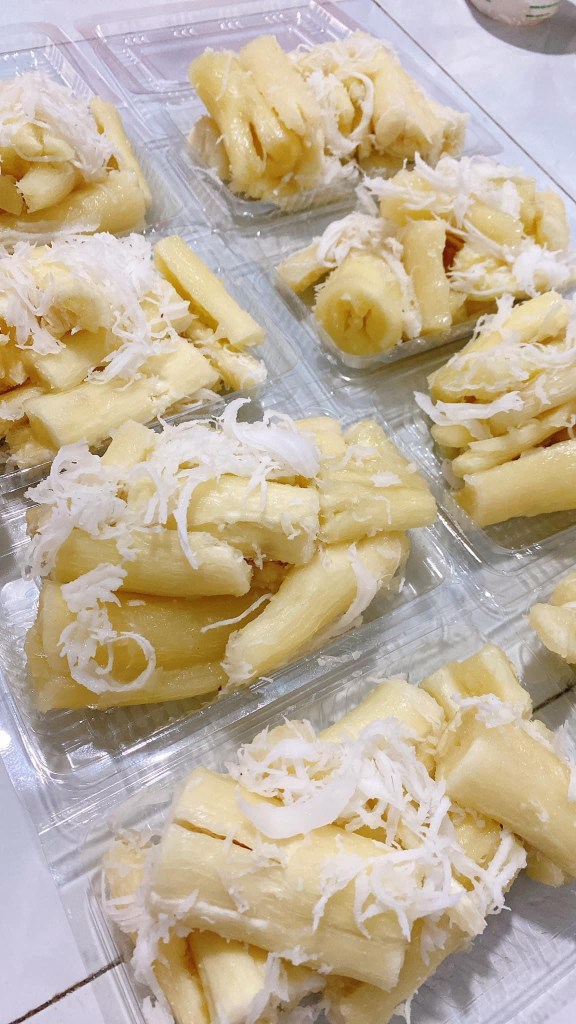
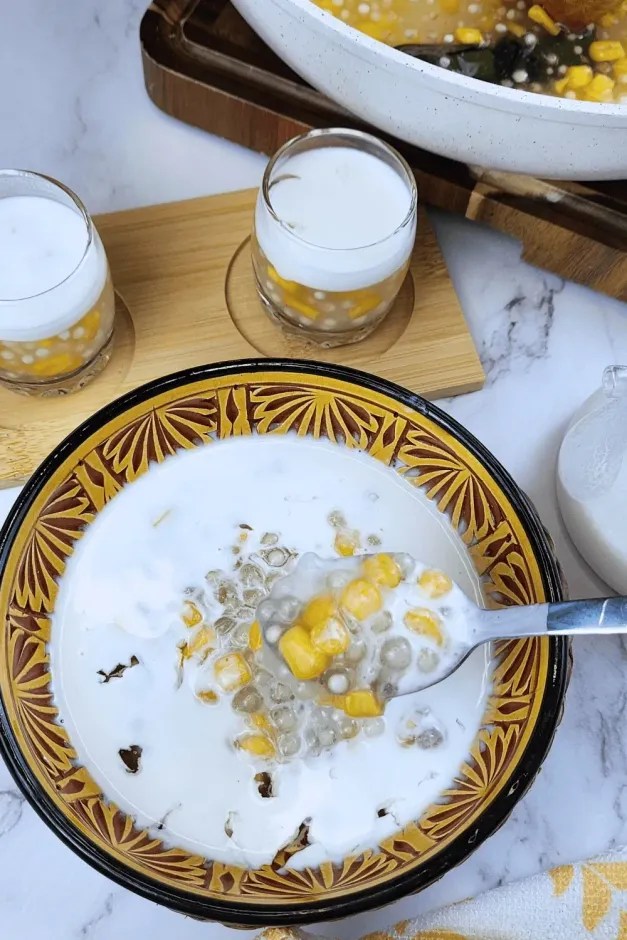
L to R: Bingka Ubi Kayu (whattocooktoday.com), Pichi Pichi (FoxyFolksy.com), Khoai mi nuoc cot dua (congan.com.vn), Sago Pearl pudding (hungryforthai.com)
🌺 PACIFIC ISLANDS
🇫🇯 Fiji
- Vakalolo – cassava coconut pudding
- Cassava boiled with coconut cream
🇼🇸 Samoa
- Fa’alifu Manioka (Cassava in Coconut Cream) – boiled cassava served with warm salted coconut cream.
- Fa’ausi Cassava – cassava baked or boiled, then topped with a caramel-coconut glaze.
- Cassava in the Umu – cassava roasted in a traditional earth oven for a smoky, earthy flavor.
- Pone Manioka (Cassava Pudding) – grated cassava baked or steamed with coconut milk, sometimes with banana or pumpkin.
- Cassava & Coconut Mash – boiled cassava mashed with coconut cream and salt.
🇹🇴 Tonga
- Cassava baked in earth ovens
- Coconut cassava mash
🇵🇬 Papua New Guinea
- Cassava greens cooked like spinach
- Cassava baked in mumu (earth oven)
- Cassava breads
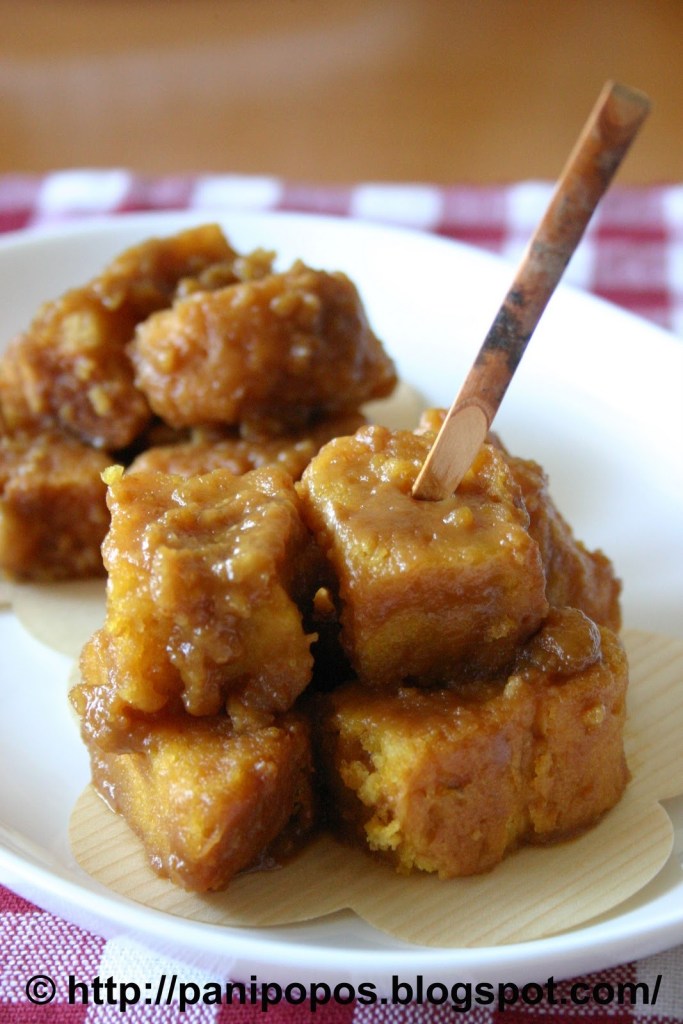
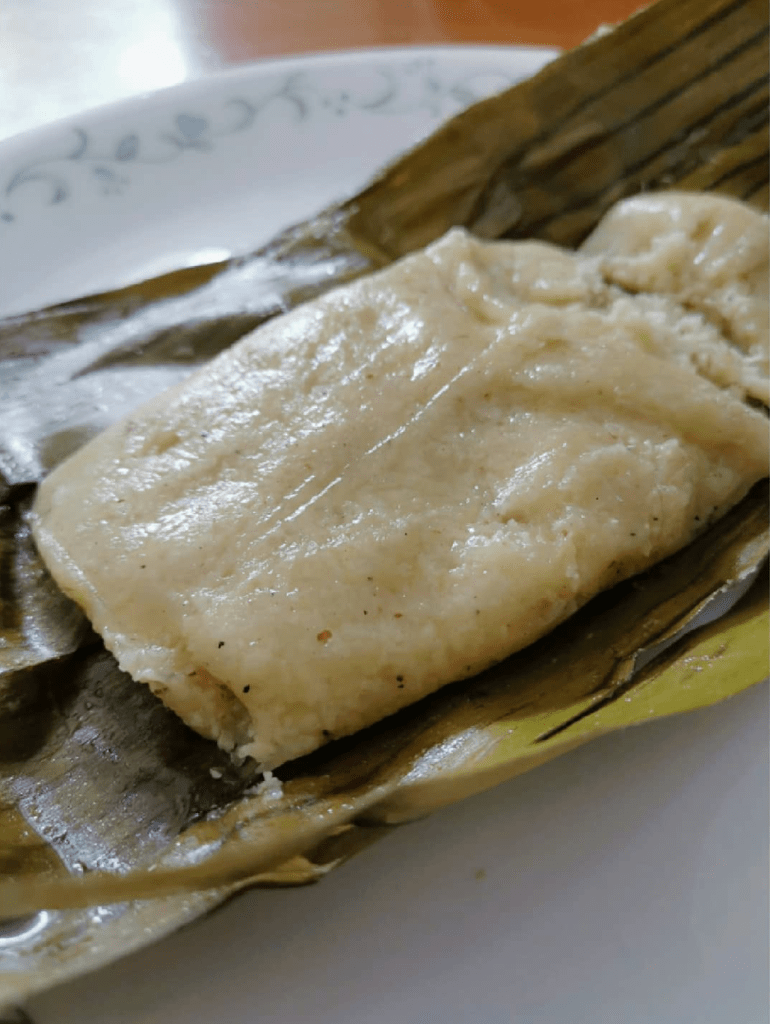
L to R: Fa’ausi Cassava (panipopos.blogspot.com), Vakaloko (IG: fantastic__fiji)
🧪 INDUSTRIAL & NON-FOOD USES (Modern Ingenuity)
Cassava’s versatility extends far beyond the kitchen:
- Biofuel (ethanol) production
- Biodegradable plastics and packaging
- Textile and paper adhesives
- Livestock feed from peels and waste
- Medical glucose products
- Cassava starch in confectionery and beverage industries
ROOT-TO-LEAF SUMMARY (At a Glance)
Root
Boiled, baked, roasted, steamed, fried, mashed, pounded, fermented, dried into flour, turned into chips, puddings, dumplings, breads, porridges, noodles, cakes.
Leaves
Stewed, sautéed, ground, used like callaloo/spinach, high in protein.
Starch
Used for noodles, breads, desserts, crepes, cheese breads, thickeners, pearls (tapioca), industrial applications.
Juice
Fermented into tucupi, cassareep-like reductions, vinegars, beverages.
Peels / Waste
Animal feed, compost, biofuel feedstock, biodegradable materials.
So Why Doesn’t Jamaica Use Cassava This Way?
While I don’t have a definite answer to this question, one may hypothesize that the reasons are a mix of history and evolving food patterns:
- The British introduced wheat and made it the standard.
- Cassava was sometimes labeled “poor people food.”
- Imported foods became increasingly accessible.
- Farming patterns shifted and fewer young people pursued agriculture.
- Some older cassava-processing techniques faded over time.
None of this reflects the plant’s value — it simply reflects how food cultures evolve.
And now, with climate change, food creativity, and renewed interest in local ingredients, cassava has a real opportunity to shine again.
How do you use cassava, and does this make you more curious to try cooking it in different delicious ways?
References
(1) Amelia Hood, “Research into Cassava: A Promising Crop under Climate Change,” The Applied Ecologist Blog, February 13, 2024, https://appliedecologistsblog.com/2024/02/13/research-into-cassava-a-promising-crop-under-climate-change/
 FOOD CURIOUS
Leave a comment