During a recent trip to Egypt, I set out to connect more deeply with my half-Egyptian roots—my father is Egyptian—and found myself drawn, as always, to the traditional markets. As a plant enthusiast and someone who’s long been curious about natural remedies, I’ve learned through travel and cooking that the best wisdom often lives in spice stalls, between conversations with vendors, and in the hands of elders who’ve passed knowledge down through generations. In Egypt, this is especially true. Many of the spices and herbs used in everyday dishes are also powerful natural remedies, embedded into the rhythm of daily life. From Cairo’s bustling souks to neighborhood herbal shops, I encountered centuries-old traditions still very much alive. One of the most meaningful moments came when I met an elder who had spent over 40 years studying the healing properties of plants—his insights added a rich layer to everything I’d begun to observe. Egypt has a long-standing relationship with herbal medicine, dating back to the pharaohs, and today, that legacy continues in kitchens, apothecaries, and homes across the country.
Here are the remedies that stood out, and what they’re traditionally used for:
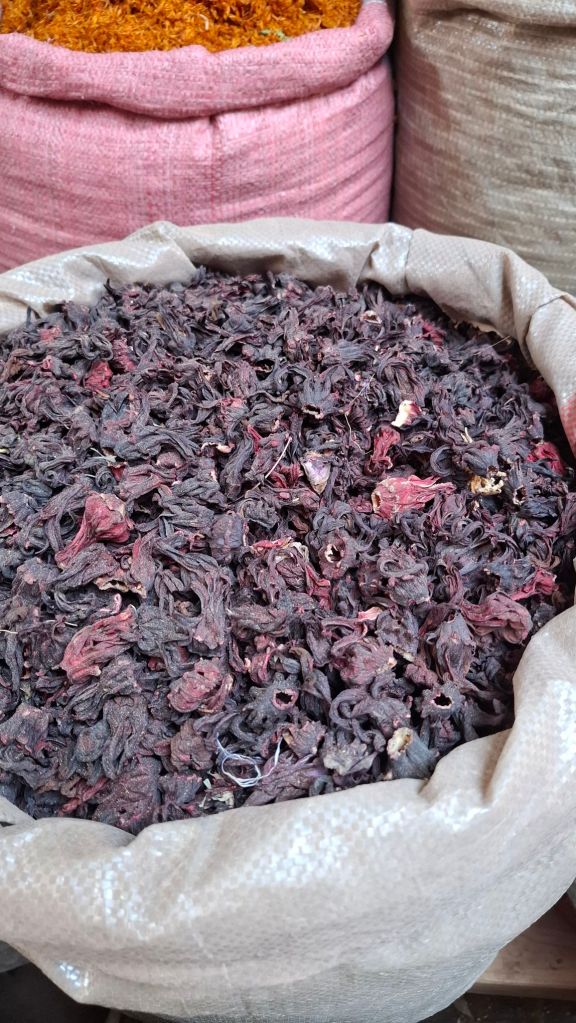
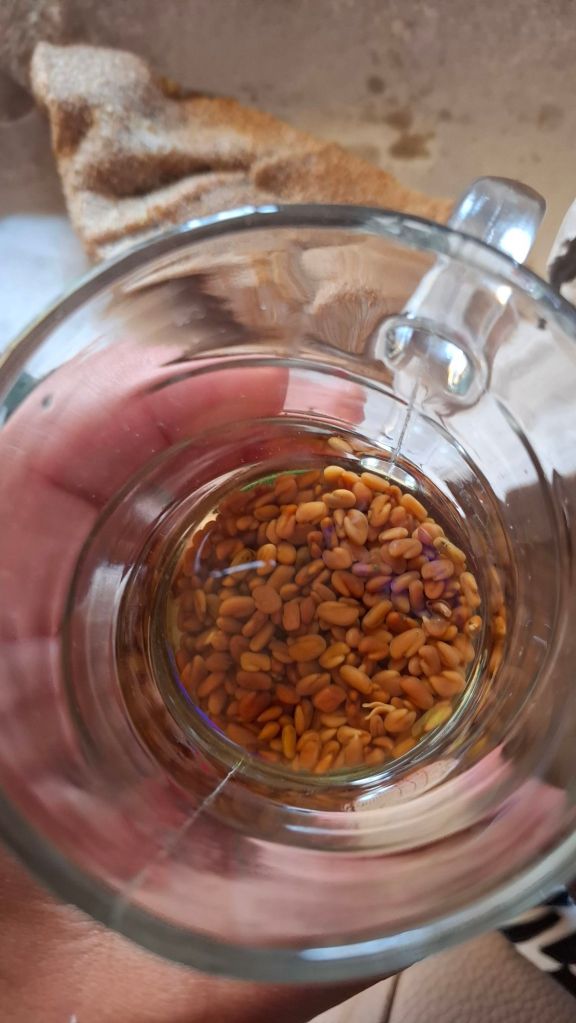

From L to R: Karkade, Helba tea, Guava Leaves
Karkadé
The sight of dried Karkade flowers is something you are going to see everywhere in Egypt, and that alone tells you how important this ingredient is in the culture. It’s infused to make a hot or cold beverage, and each one gives a different health benefit.
-Hot: Traditionally used to stimulate blood circulation, aid digestion, and warm the body. Slightly energizing and supports heart health.
-Cold: Believed to cool the body, lower blood pressure, and quench thirst—perfect for hot summers and Ramadan iftar.
Used for headaches, high blood pressure, and sometimes urinary tract health.
Helba (Fenugreek Seeds)
Another rather popular beverage that you will find at traditional tea houses or in people’s homes is helba. It is used in teas or mixed with honeys, and especially common amongst mothers who are breastfeeding.
-Boiled and drunk warm to increase breast milk, soothe menstrual cramps, and relieve joint pain.
-Also used to regulate blood sugar and ease constipation.
-Sometimes taken with milk and honey as a nourishing tonic, especially postpartum or during illness. It also helps frail individuals add weight.
-In Upper Egypt’s cooler regions, a traditional winter remedy mixes helba with honey and black seed—a golden paste said to warm the bones and chase away cold.
Guava Leaves
Because Egypt grows a lot of guava, a truly beloved fruit amongst many locals, they’ve come to learn the use of the leaves as well. Which interestingly enough, reminded me of my years living in Jamaica, where the leaves are also used for health purposes. Humans always learn how to use every part of a plant that grows on their land, and I wouldn’t be surprised if most guava countries know about the health benefits of the leaves- not just the fruit!
-Boiled into tea to help with coughs, bronchitis, and chest congestion.
-Believed to soothe diarrhea and stomach issues, especially in children.
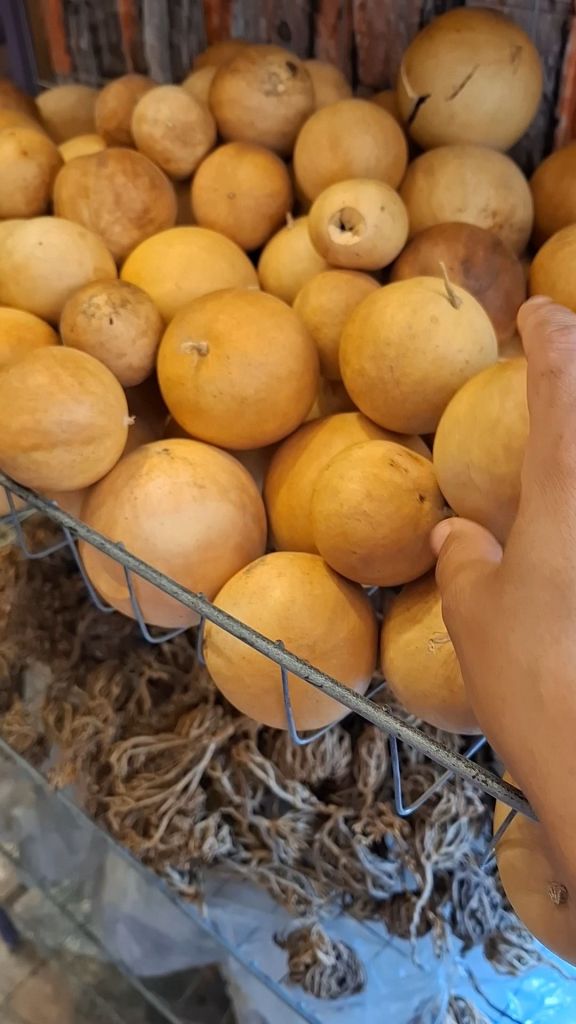
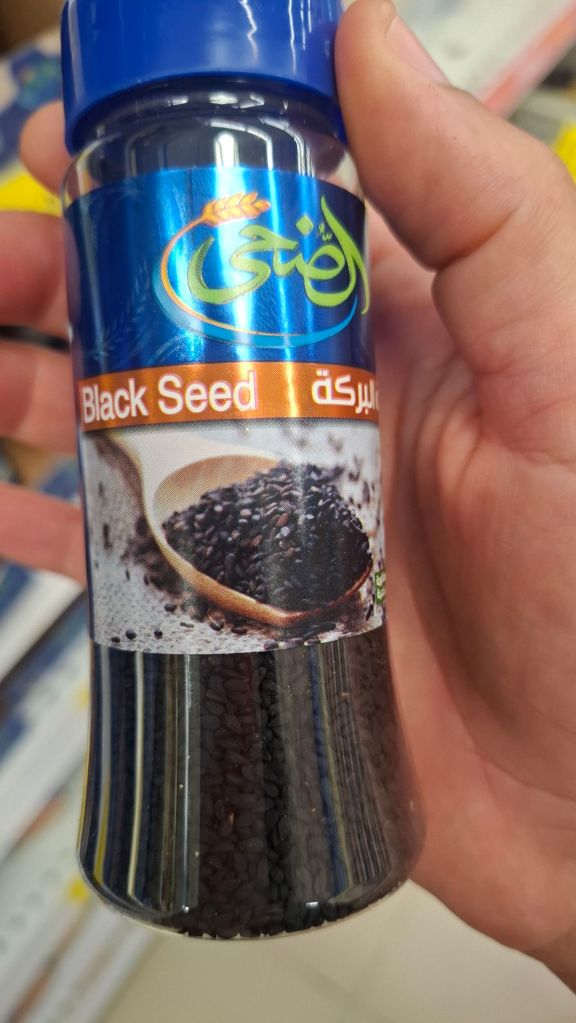

From L to R: Khandal, Nigella Seed/Black Seed, Samgha
Khandal
This is a curious sight that I haven’t quite seen in my travels so far. I found this while strolling the old neighborhoods of Cairo. Khandal is a variety of a round shaped gourd/cucumber that is then left to dry and used as a natural pain relief, one that was used before modern Western medicine was introduced in the country.
-Soaked or boiled for infusions or poultices to relieve body aches, muscle pain, and inflammation. Poultices ease joint stiffness and soreness.
-Sometimes used to detoxify the body and improve circulation.
Nigella Seed/Black Seed (Nigella sativa)
Egypt is one of the significant producers of Nigella seed. It will be easy to find the seeds (heavily used in cooking) but also the oil quite easily (I personally love the oil for my skin). In Islam, it is a prophetic medicine: “Black seed is a cure for everything but death.” Today nigella seed has become a global trend, but in Egypt, the Middle East but also South Asia, its health benefits were known from centuries ago already.
-Taken to boost immunity, support respiratory health, aid digestion, improve skin, and balance blood sugar.
-Consumed whole, ground with honey, or as oil; also applied topically.
Samgha (Acacia Resin / Gum Arabic)
Samgha is a natural resin harvested from the Acacia tree and the interesting part is that it is a natural glue! But also a natural remedy used across Egypt and other parts of North Africa and the Sahel.
-Chewed or soaked in water to soothe the gut, aid digestion, and reduce inflammation.
-Used for gastritis, mouth ulcers, and general body cleansing.
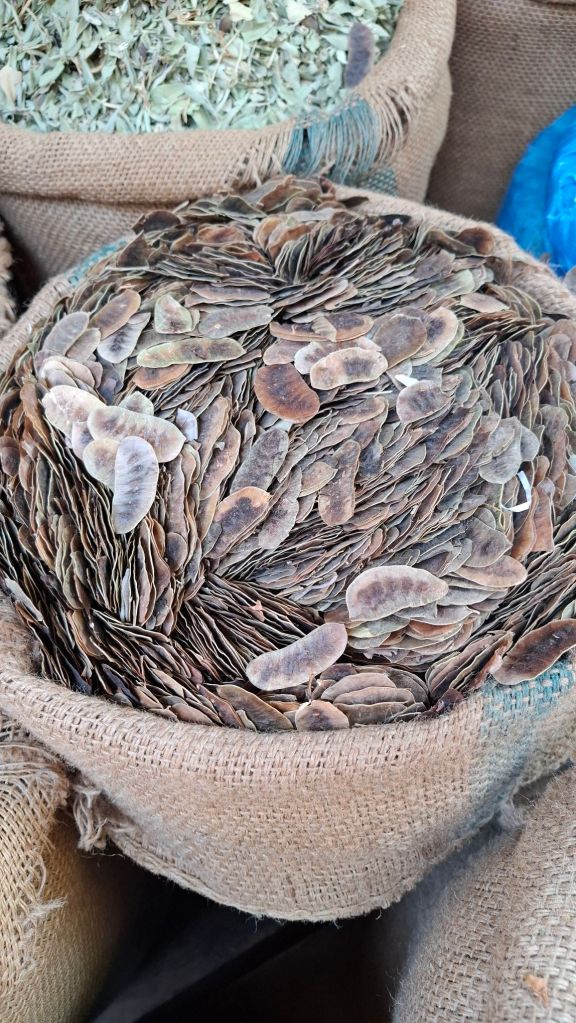
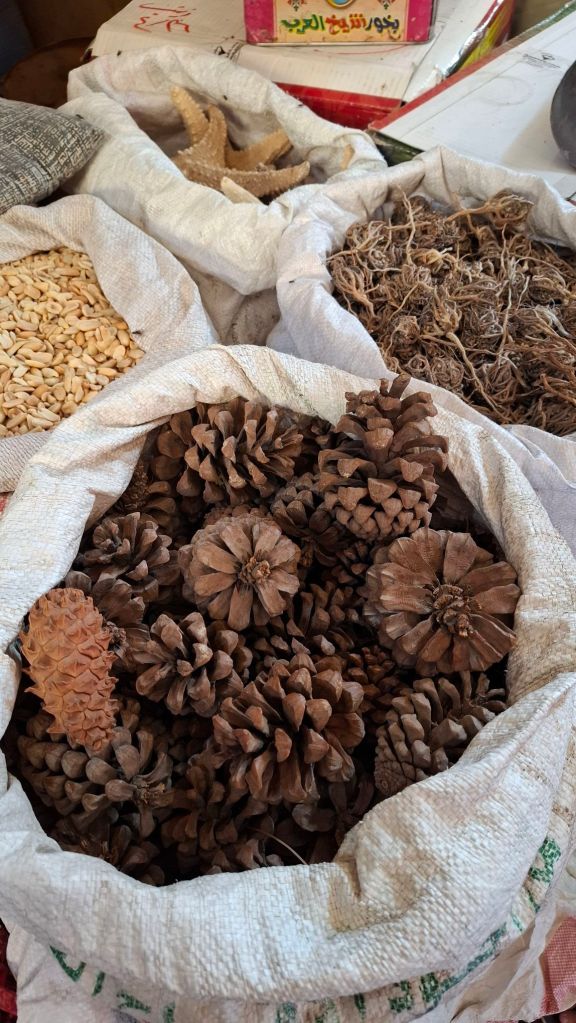
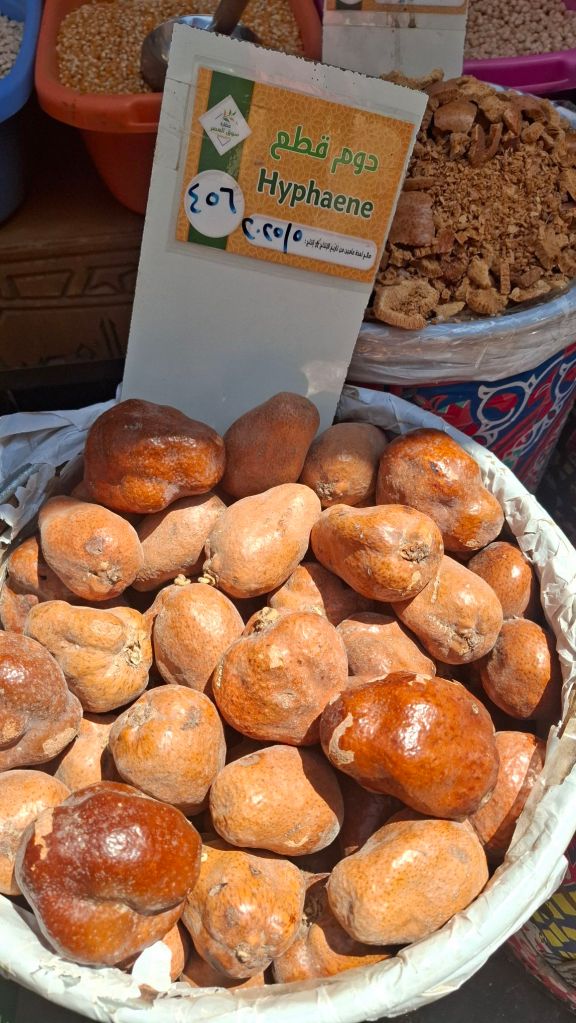
From L to R: Salameki, Nagafet Adam, Doom
Salameki (Senna Leaves)
You can find this at most traditional spice shops, Salameki is a natural laxative brewed as tea, used occasionally to cleanse the bowels and purify the system. Do not overuse as it can cause cramping.
Nagafet Adam (Pine Cone)
I knew pine nuts came from pinecones, and I knew certain young/green pine cones are edible, but I did not know that dried up pinecones could be medicine! Until I started to talk to spice/herb vendors in Old Cairo.
-Dried and ground into powder, then used in a tea for female intimate health.
-Supports vaginal tightening, cleanliness, and toning.
-Used in postpartum and bridal cleansing rituals, often mixed with other herbs.
Doom / Doma (Hyphaene thebaica – Doum Palm Fruit)
Widely found dried and sold in Cairo’s spice markets, this fibrous fruit comes from the doum palm, a sacred and ancient tree mentioned in Pharaonic texts. The fruit is sliced and steeped into a tea or soaked and blended into refreshing drinks.
-Support heart health and lower blood pressure
-Aid digestion and ease constipation
-Help regulate blood sugar levels
-Cool the body in hot weather
Hashishat al-Laymun (Lemongrass)
Lemongrass is a favorite of many hot countries, where this plant can grow. Egypt wasn’t an exception.
-Known for calming and digestive benefits.
-Drunk as tea to relieve bloating, ease anxiety, and promote restful sleep.
-Sometimes mixed with mint or green tea.
-The essential oil makes for a great natural mosquitoes repellent.
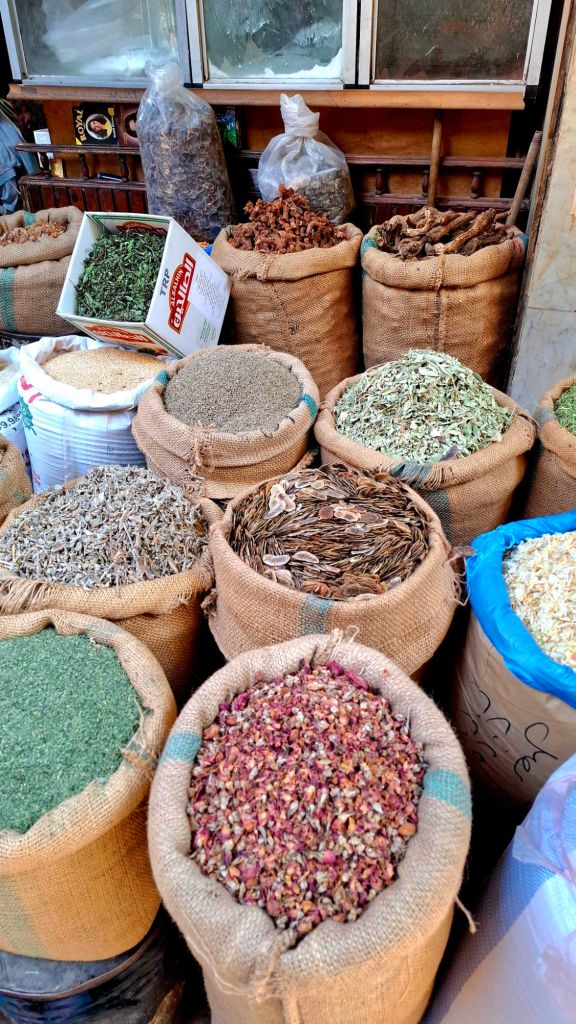
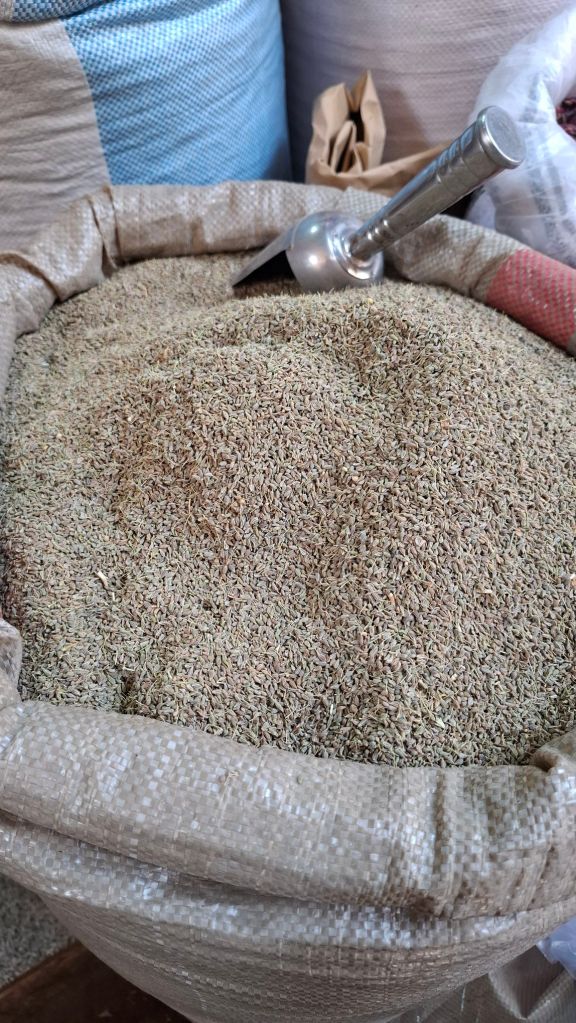
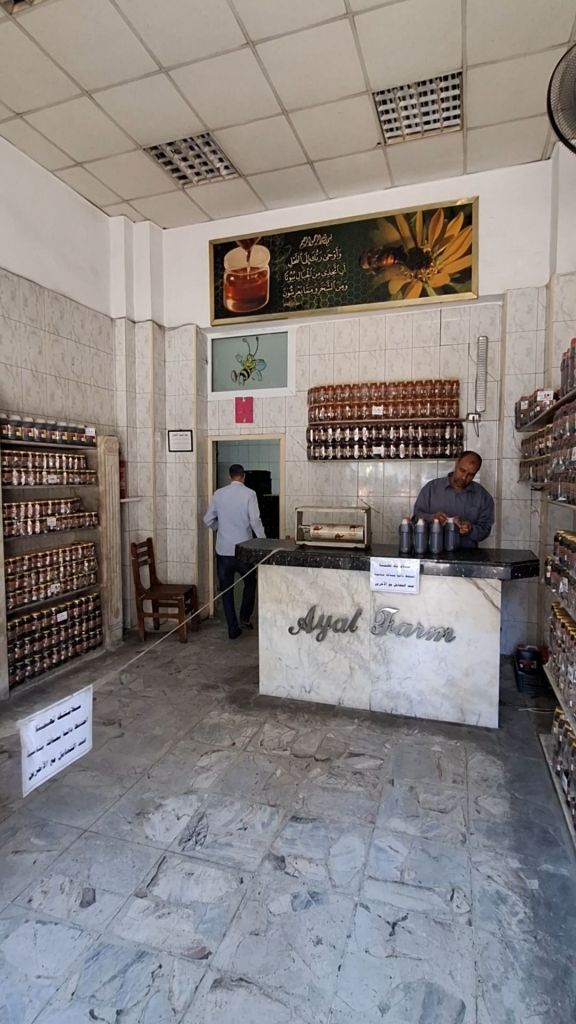
From L to R: various spices including anise seeds and one of many local honey stores. I found a nigella seed blossom local honey at Ayal Farm.
Kamoun (Cumin Seeds)
Cumin, along with mint, are in my opinion two of the most important natural remedies in the Middle East and North Africa. In any country belonging to these regions, you will still see people drinking cumin and/or mint mostly for digestive upsets. Cumin especially is also used in cooking, for flavour but also function- as it helps reduce gas for bean based dishes, such as ful medames.
-Widely used for digestion, gas, and bloating relief.
-Given as tea after heavy meals or for stomachaches.
-Used postpartum to balance hormones and stimulate milk flow.
Yansoon (Anise Seed)
Another popular remedy, yansoon has a naturally sweet comforting taste and most Egyptians are probably familiar with this aroma from their childhood.
-Soothes colic in babies, relaxes the body, and eases coughs.
-Used for respiratory congestion, menstrual cramps, and mild insomnia.
-Often combined with honey or licorice root.
Asal (Honey)
Honey deserves its own article because of its infinite health benefits. Its use is extremely ancient in Egypt, and still used today.
-A natural antibiotic, wound healer, and immunity booster.
-Mixed with black seed, yansoon, or lemon as a wellness tonic.
-Applied topically for burns, inflammation, and skin issues.
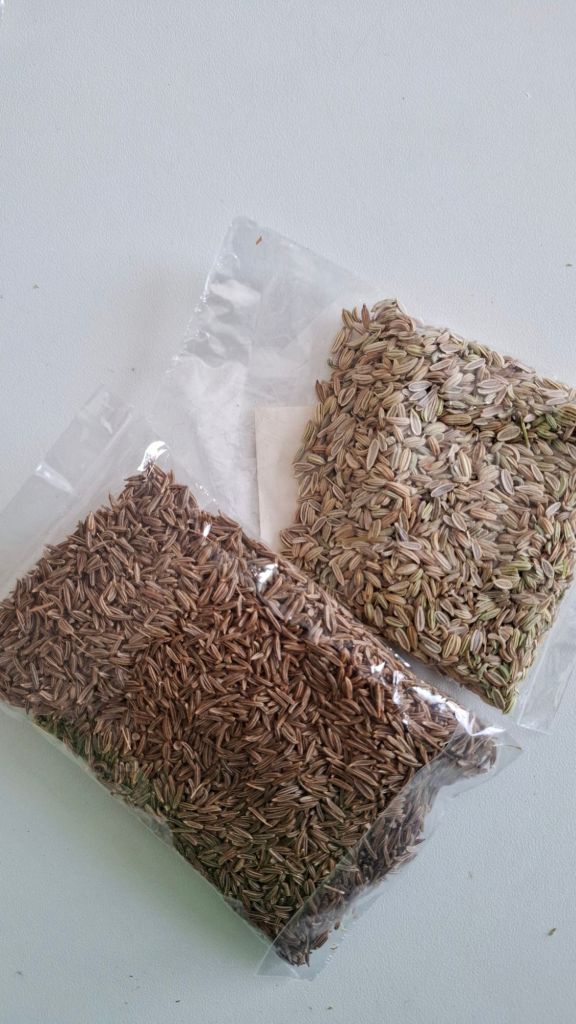

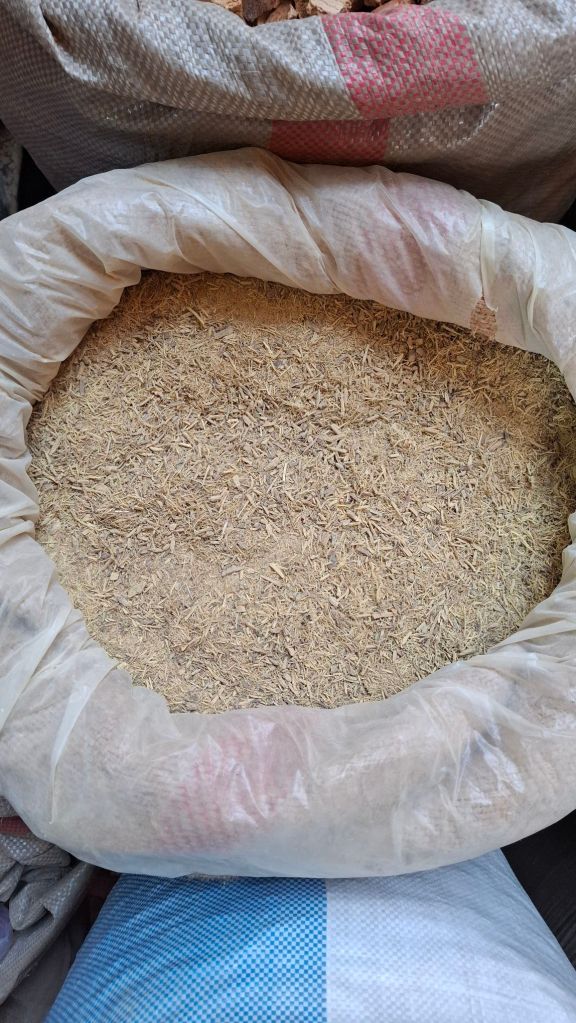
From L to R: cumin seeds, fennel seeds, wild mountain mint, ground licorice root
Shomar (Fennel)
Mild, aromatic, and deeply rooted in everyday Egyptian life, fennel remains one of the most trusted household remedies passed down through generations.
Traditionally brewed as a tea or added to herbal blends, fennel is used to:
-Soothe digestive issues — bloating, gas, and indigestion
-Relieve menstrual cramps and regulate the cycle
-Stimulate breast milk production in nursing mothers
-Calm infants’ colic when given in mild tea form
-Ease coughs and respiratory discomfort
Na’na’ (Mint)
Like cumin, mint is a big favorite amongst Egyptians. It grows abundantly and is also used in food.
-Used in tea to relieve nausea, headaches, and stomach cramps.
-Chewed fresh or steeped in vinegar as a cooling remedy.
-A symbol of hospitality and healing.
Erq Sous (Licorice Root)
Dried licorice root whole or ground can be found in traditional spice markets. It may not be everyone’s favorite flavour, but the tea has many benefits.
-Drunk to soothe sore throats, calm acid reflux, and balance hormones.
-Sweet and cooling; popular during Ramadan and in herbal blends.
-Note that this must be used with caution in people with high blood pressure.

Above: Maryam Booti
Filfil Har (Hot Pepper)
Shatta may be the popular hot pepper condiment of Egypt that you’ll find on many tables, and the pepper used to make the condiment is medicinal- as most hot capsicums are.
-Used to warm the body, boost metabolism, and clear mucus.
-In small amounts, stimulates digestion, opens sinuses, and supports circulation.
-Mixed with honey or chewed alone, it disinfects the mouth and throat.
-To use in moderation as it can “burn the inside” if overdone.
Kozbara (Coriander Seeds)
Egyptian cuisine calls for a lot of coriander- you will find it in every other recipe. Fortunately, this spice can also do great things for your health!
-Taken as tea to calm digestion, lower blood sugar, and relax nerves.
-Used for detoxification or in blends for sleep and menstrual support.
Maryam Booti
I saw this intriguing looking plant in the old spice markets of Dubai as well. And if you do some research, you will see many stories around the usage of Maryam Booti- most of it is directed for women especially.
-It is used to regulate menstrual cycles, ease cramps, and prepare the body for conception and childbirth.
-Believed to support fertility and help women become pregnant.
-Used postpartum to aid uterine healing and boost milk production.
-Consumed as tea or infusion, often paired with fenugreek and black seed.


From L to R: Dried olive tree leaves, Loomi
Waraq Zaytoun (Dried Olive Tree Leaves)
The Siwa Oasis in Egypt is known for its olives. The olives themselves are of course delicious, but the dried leaves also can be used!
-Teas made from dried olive leaves help lower blood pressure and support heart health.
-Known for antioxidant and anti-inflammatory properties.
-Used to reduce inflammation, boost immunity, aid digestion, and detoxify.
-Sometimes recommended for managing diabetes symptoms.
Loomi (Dried Black Lime )
This ingredient is common across most of the Middle East (especially the Gulf region) and also in Egypt. It adds a tangy, smoky flavor to Egyptian dishes.
-Traditionally used to aid digestion, reduce bloating, and relieve stomach discomfort.
-Known for antioxidant properties and supporting overall health.
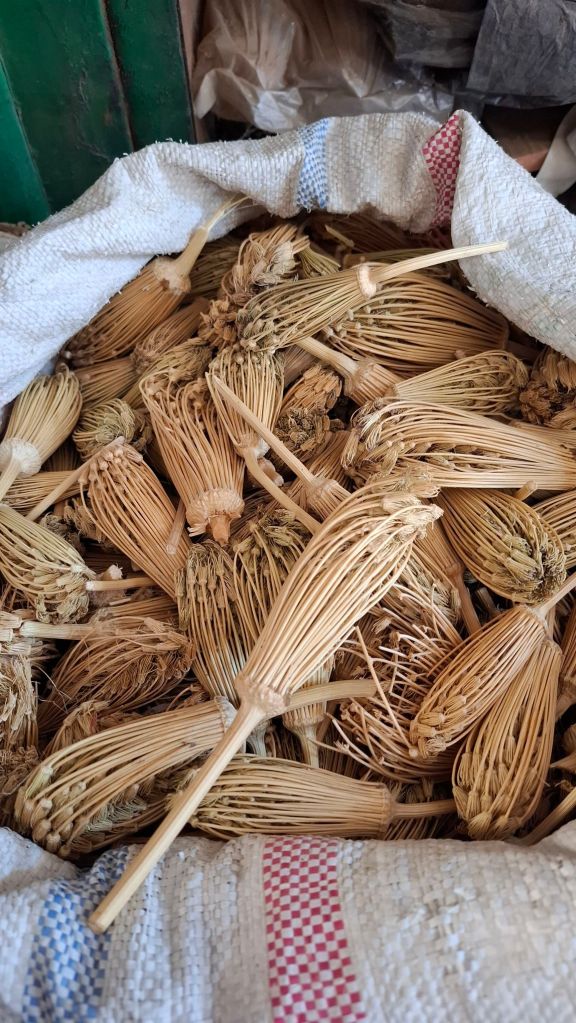
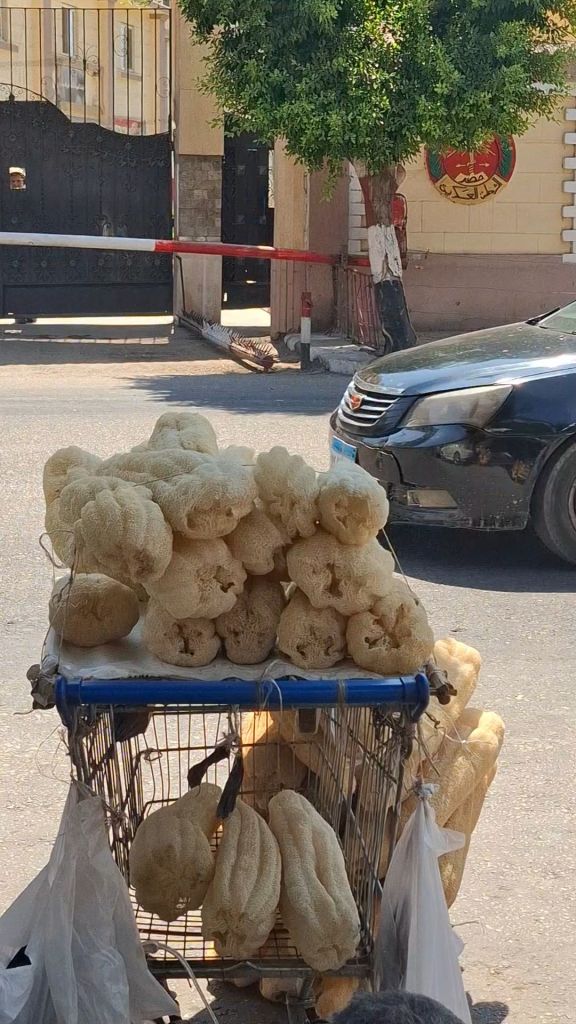
From L to R: Khila, Loofah
Khila (Toothpick Plant)
Not something to ingest internally, but I did want to add this to the list because it shows the creative relationship humans have with plants around them. Khila is the original “toothpick”. You pick out the “pick” from the dried plant and use it to clean your teeth It is still sold in spice markets and herbal shops today.
Miswak (Siwak)
Miswak is the natural chewing stick made from the Salvadora persica tree, known as the “toothbrush tree.” It has been used for centuries across Egypt and the wider Islamic world as a natural oral hygiene tool. Now emerging as a trend in the West, many people in Egypt still use miswak until today.
-Clean teeth and gums
-Freshen breath naturally
-Fight bacteria and prevent cavities
-Reduce plaque and soothe gum inflammation
Loofah
Similar to Khila, this is not one to ingest but I did want to include it as you will likely see it everywhere. At least I did. Loofah is an all natural bath sponge made from the dried up loofah vegetable. It is exfoliating and gives your skin a healthy glow. Cut up into smaller pieces, it can even be used for home cleaning.
The information shared in this article is based on traditional Egyptian knowledge, personal conversations, and community practices, some of which are also supported by clinical studies. However, natural remedies affect everyone differently. Please consult with your preferred healthcare professional before trying any of these treatments, especially if you are pregnant, nursing, taking medication, or managing a health condition. Also note that ingredient names may vary slightly depending on the region, dialect, or local customs within Egypt.
 FOOD CURIOUS
Leave a comment