There are three things I’m absolutely obsessed with: olive oils, spices, and honey. I find them endlessly fascinating, and the thrill of discovering my next favorite is always exhilarating. But beyond my love for these ingredients, I’m equally fixated on their authenticity—because, unfortunately, all three have been watered down and diluted over time. The world of fraudulent foods is a growing concern, and it’s alarming how often we encounter adulterated or misrepresented versions of what should be pure and natural products. Whether it’s fake honey mixed with sugar syrup, low-quality olive oil passed off as extra virgin, or spices bulked up with fillers, it’s becoming harder to find the real thing.
This obsession with identifying the real vs. fake drives much of my passion for these ingredients. It’s a bit of a treasure hunt—tracking down those hidden gems of authenticity. As consumers, we should be aware of these fraudulent practices, not just for the sake of our tastebuds but also for the health benefits that come with consuming high-quality, pure versions of these foods. It’s why I’m so deeply invested in knowing the stories behind the products I use.
Today, I want to talk about honey—a pantry staple I always have on hand, not only for cooking but also for health and skincare. As someone who’s deeply passionate about philosophy, theology, and ancient practices, I find it utterly captivating that honey appears in nearly every sacred text. Across all religions and belief systems, it’s mentioned as a symbol of divine nourishment, purity, and sweetness. This universal presence of honey makes you pause and wonder: what is it about this humble substance that has made it so revered throughout history? Why has it been a part of human culture and spirituality for centuries, transcending time and geography?
Since I’ve returned to France, I’ve noticed that people often fixate on the well-known culinary pillars of the country—the bread, the cheeses, the pastries. But there’s so much more to French gastronomy than these iconic elements. Did you know, for instance, that France grows its own rice? (That’s a topic for another time!) But today, I want to delve into something that’s been a true delight of mine since coming back: the wonderful varieties of honey found in France. These honeys are a treat for the senses, offering flavors and nuances that are deeply tied to the land and its diverse regions.
Let’s explore some of these distinct varieties and the fascinating stories they carry with them!
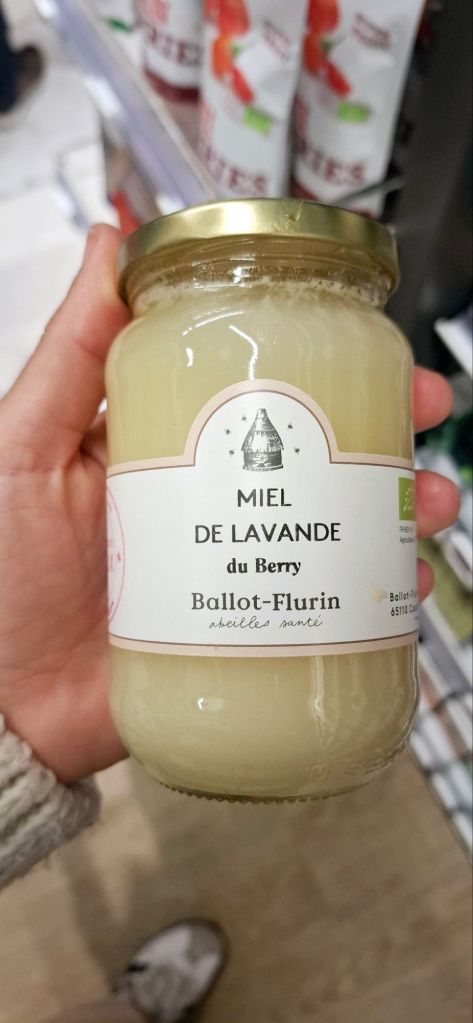
Miel de Lavande – Lavender Honey
Flavour: Delicate, floral, with subtle fruity notes and a smooth texture.
Notable aspect: Mostly produced in Provence, this honey captures the essence of summer in the south of France. Miel de Lavande is considered one of the finest honeys in the world and benefits from Geographical Indication (GI) protection. The latter implies that the honey must come from Provence and be harvested and produced according to strict standards regarding floral origin, purity, and quality.
Health Benefits: Known for its antiseptic and anti-inflammatory properties, especially soothing for sore throats and skin healing.
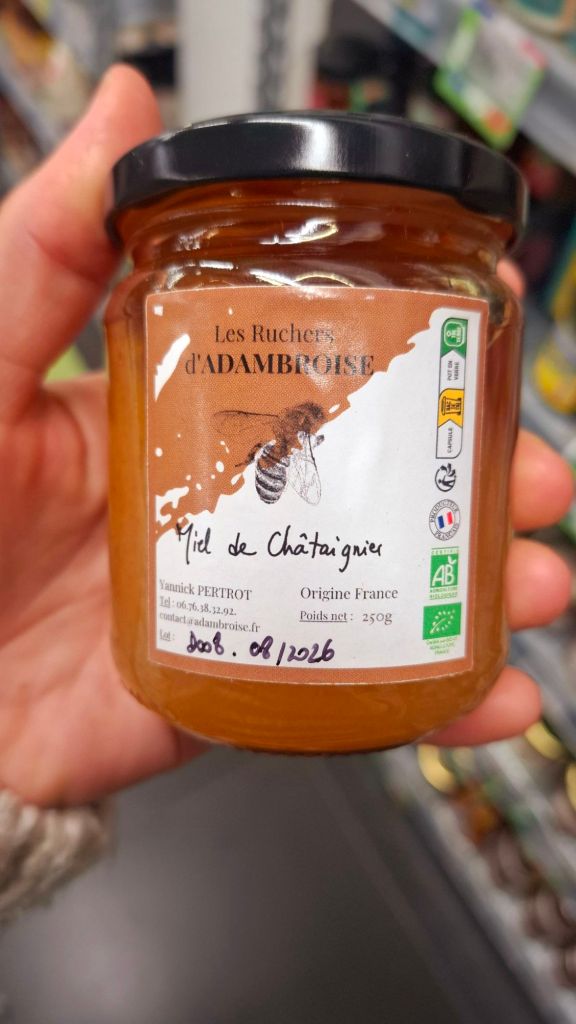
Miel de Châtaignier – Chestnut Honey
Flavour: Bold, earthy, slightly bitter with a strong, persistent aroma.
Notable aspect: A favorite among honey lovers, especially popular in the Cévennes and Corsica. Beekeepers often say it’s one of the more temperamental honeys to harvest, due to the short blooming season and weather dependence. In parts of France, it’s considered an “adult’s honey” because of its intense, less-sweet taste—an acquired favorite.
Health Benefits: High in antioxidants and minerals; supports blood circulation and digestion.
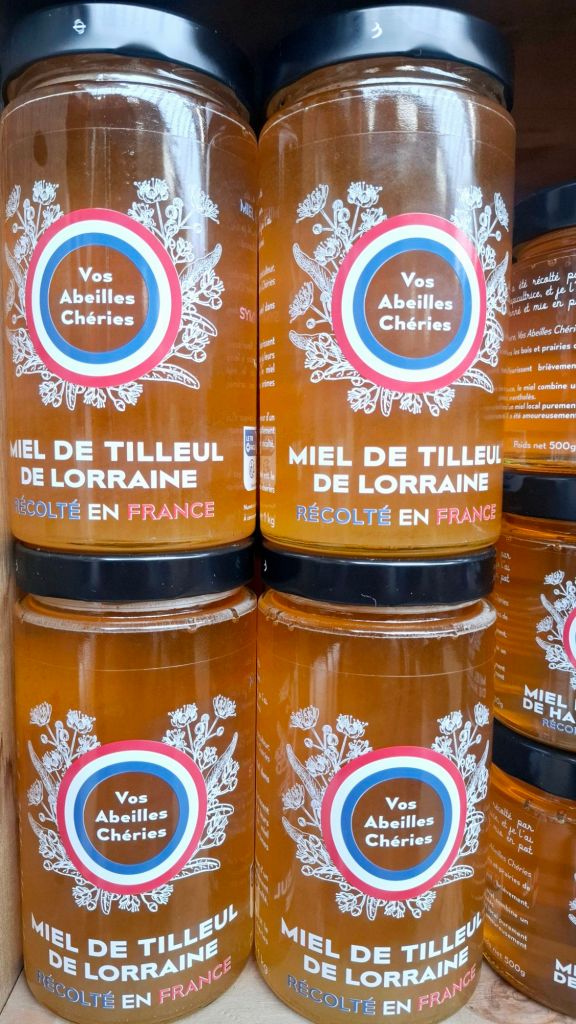
Miel de Tilleul – Linden Honey
Flavour: Fresh, herbal, with minty and woody undertones.
Notable aspect: Common in northern and central France, often harvested from centuries-old linden trees.
Health Benefits: Calming and sedative—traditionally used to ease anxiety and insomnia. Linden honey is considered one of the best honeys for nervous system support. It’s often mentioned alongside chamomile, valerian, and melissa (lemon balm) in herbal traditions for its ability to reduce mild anxiety, support emotional balance and promote deeper, more restful sleep
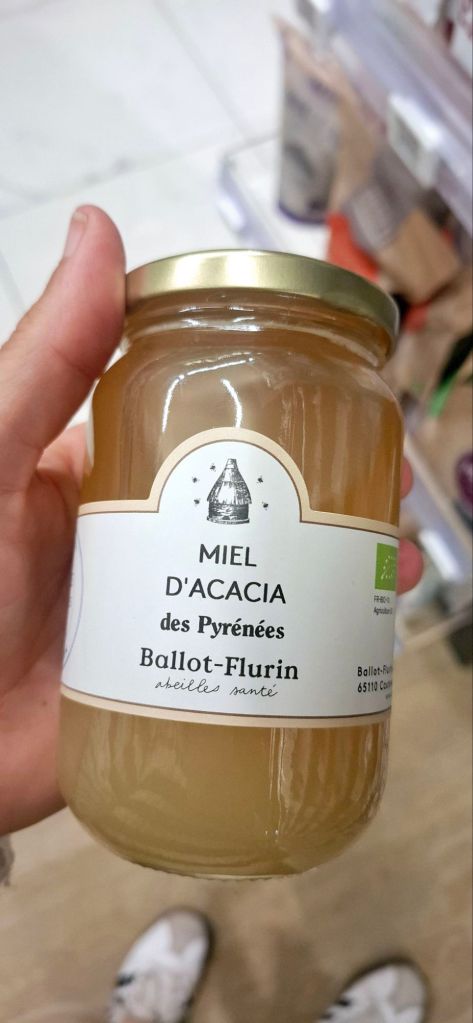
Miel d’Acacia – Acacia Honey
Flavour: Mild, sweet, with delicate floral notes; very light in color.
Notable aspect: Loved for its clarity and resistance to crystallization, making it very versatile.
Health Benefits: Gentle on blood sugar levels; ideal for children or those with sensitive digestion.
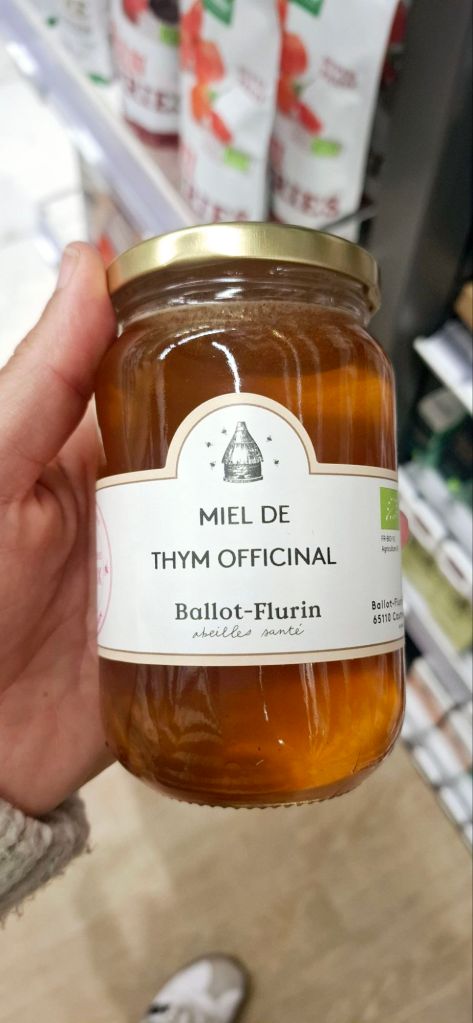
Miel de Thym Officinal – Wild Medical Grade Thyme Honey
Flavour: Rich, aromatic, slightly spicy and warm.
Notable aspect: Harvested from thyme-covered hillsides in southern France, it’s deeply fragrant and prized. Provence is the heart of thyme honey production in France, and it has long been valued not just for its flavor, but also for its deep ties to the region’s herbal traditions. The French have been using thyme and its products for centuries, from medicinal tonics to culinary infusions. One of the reasons Miel de Thym Officinal is considered a premium honey is that thyme flowers are not the easiest for bees to access. Thyme plants grow close to the ground, which means beekeepers need to ensure that the hives are placed near or among thyme fields to harvest enough nectar for this honey.
Health Benefits: A potent antibacterial—often used for respiratory support and healing wounds.
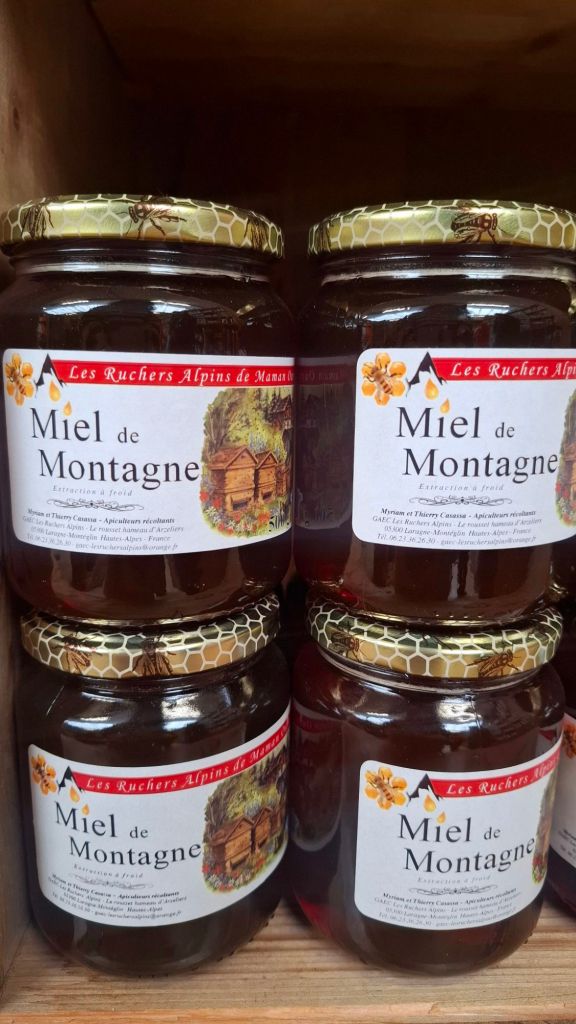

Miel de Montagne – Mountain Honey
Flavour: Complex, with floral and woody notes depending on the flora.
Notable aspect: Produced in alpine regions, it reflects the diversity of high-altitude wildflowers.
Health Benefits: A honey with wide ranging effectiveness as this is a honey often produced in pristine, high-altitude areas where the bees gather nectar from a variety of wildflowers and herbs! It is a broad-spectrum antimicrobial and immune-boosting honey thanks to the floral/herb diversity.
Miel de Haute Montagne – High Mountain Honey
Flavour: Intensely aromatic with hints of alpine herbs.
Notable aspect: Harvested above 1,200 meters, this rare honey is as pure as the air where it’s made.
Health Benefits: Supports immunity and is believed to aid respiratory conditions.
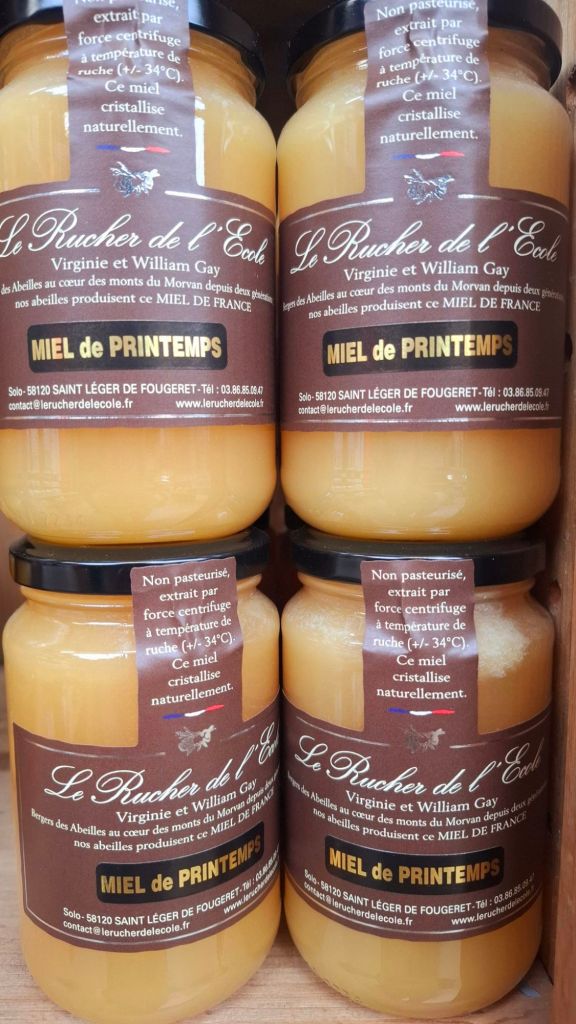
Miel de Printemps – Spring Honey
Flavour: Light, creamy, with subtle floral and fruity notes.
Notable aspect: Made from early bloomers like dandelion, rapeseed, and fruit blossoms.
Health Benefits: Gentle detox properties; a lovely support during seasonal changes.
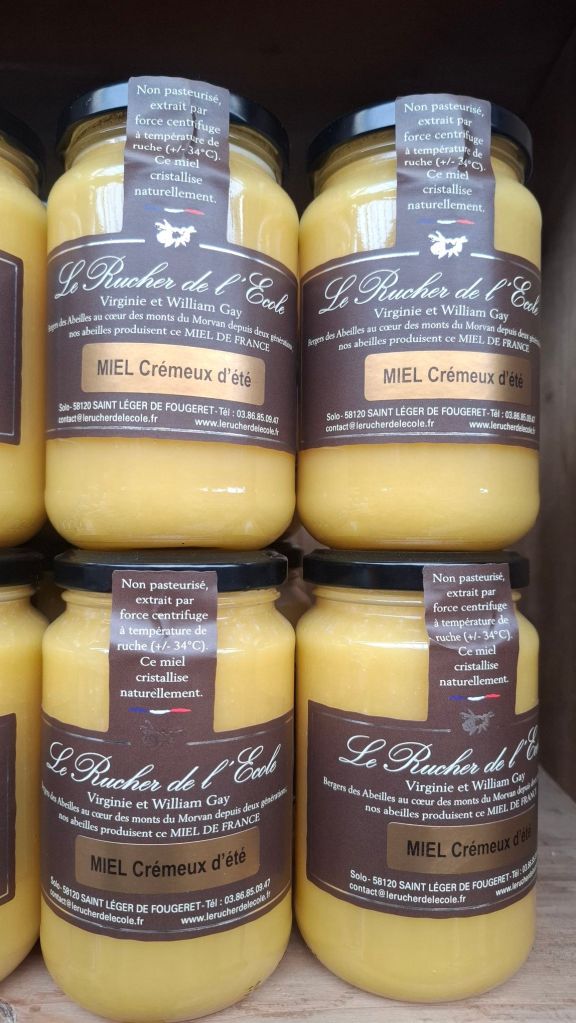
Miel d’Été – Summer Honey
Flavour: Richer and more full-bodied than spring honey; diverse and vibrant. In summer, there’s a broader variety of flowers in full bloom, many of which are more robust and intense in flavor. Summer plants often have longer or more intense blooming periods- this extended blooming period contributes to a more diverse range of flavors being absorbed into the honey.
Notable aspect: A blend of clover, lavender, sunflower, and other summer blooms.
Health Benefits: High in polyphenols; supports skin health and natural energy.
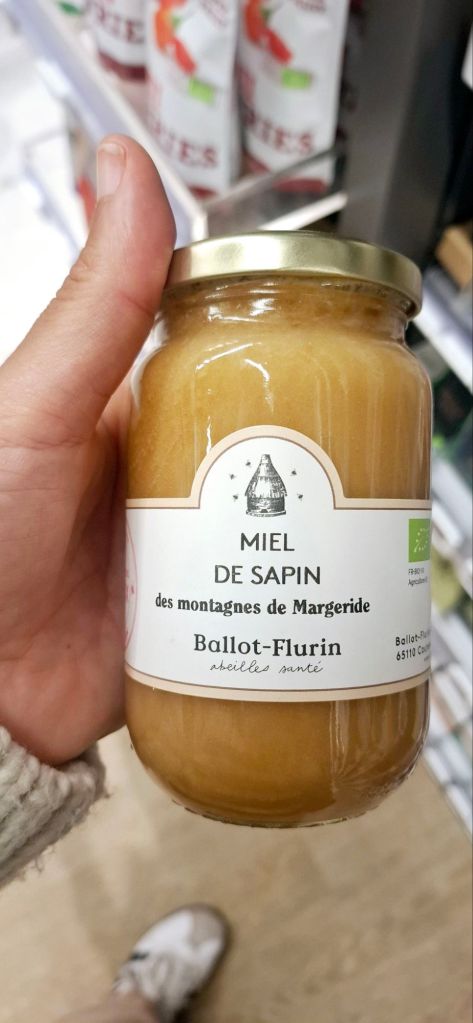
Miel de Sapin – Fir Tree Honey (Honeydew Honey)
Flavour: Deep, malty, resinous with a touch of caramel.
Notable aspect: Gathered from fir forests like those in Alsace and the Vosges; not from nectar, but tree sap via aphids.
Health Benefits: Mineral-rich, especially in iron and potassium; aids digestion and respiratory health.
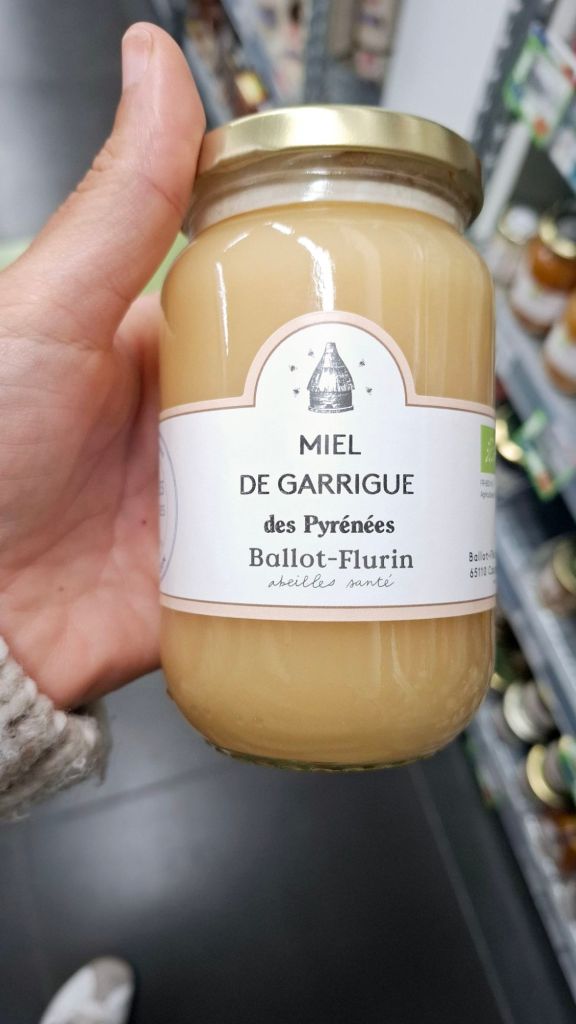
Miel de Garrigue – Garrigue Honey
Flavour: Wild, complex, and herby, reflecting the rugged Mediterranean scrubland.
Notable aspect: A natural expression of Provence and Languedoc’s aromatic wild plants.
Health Benefits: Antibacterial and invigorating; known to stimulate the immune system.
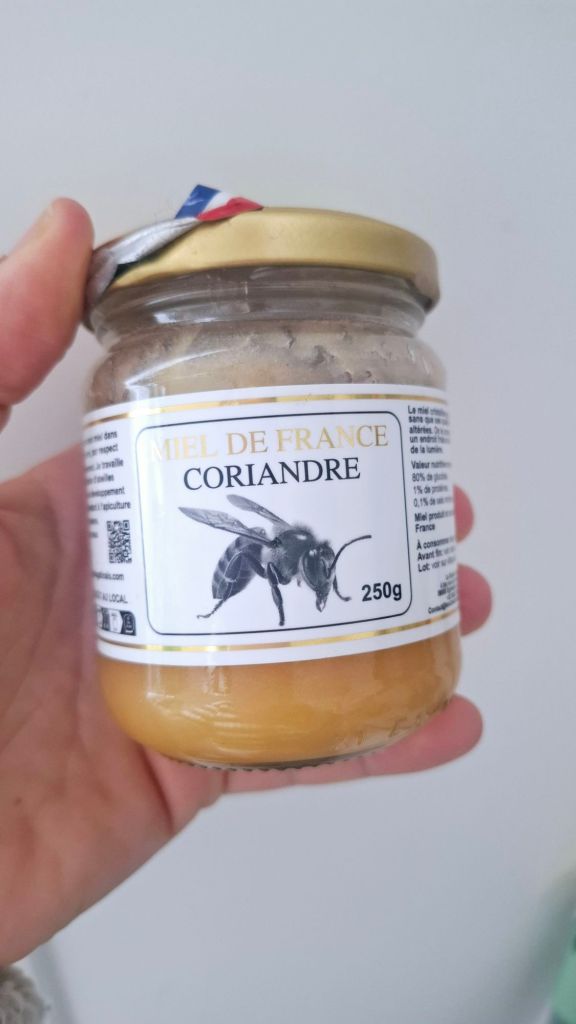
Miel de Coriandre – Coriander Honey
Flavour: Unusual and warm with slightly spicy, nutty notes.
Notable aspect: Rare and distinctive, it’s harvested in regions like Centre-Val de Loire.
Health Benefits: Traditionally used to ease digestive discomfort and support gut health.
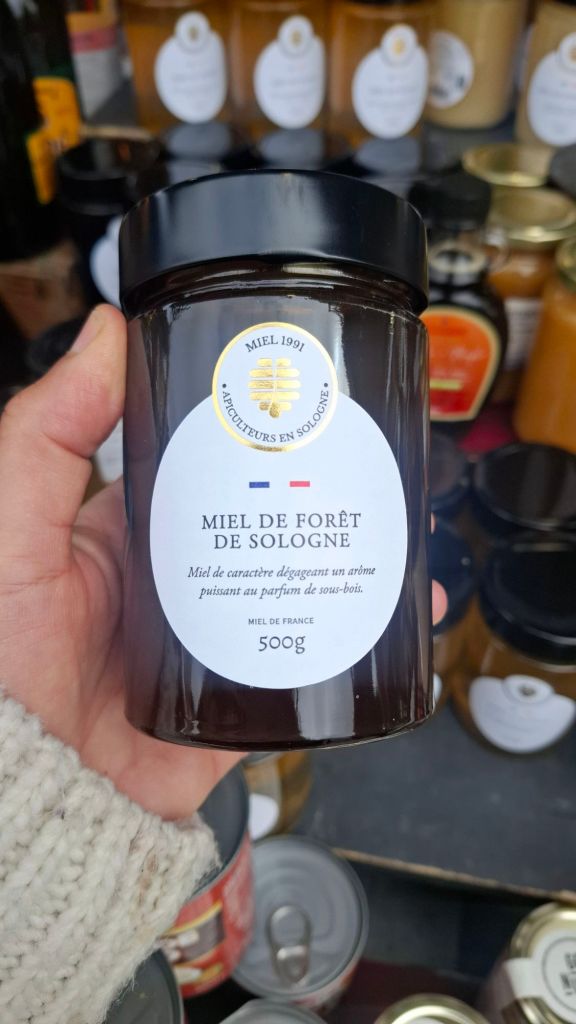
Miel de Forêt de Sologne – Sologne Forest Honey
Flavour: Dark, resinous, with earthy notes of undergrowth and wild herbs.
Notable aspect: Reflects the rich biodiversity of the Sologne forests in central France.
Health Benefits: Energizing, full of trace elements, and beneficial for immune resilience.
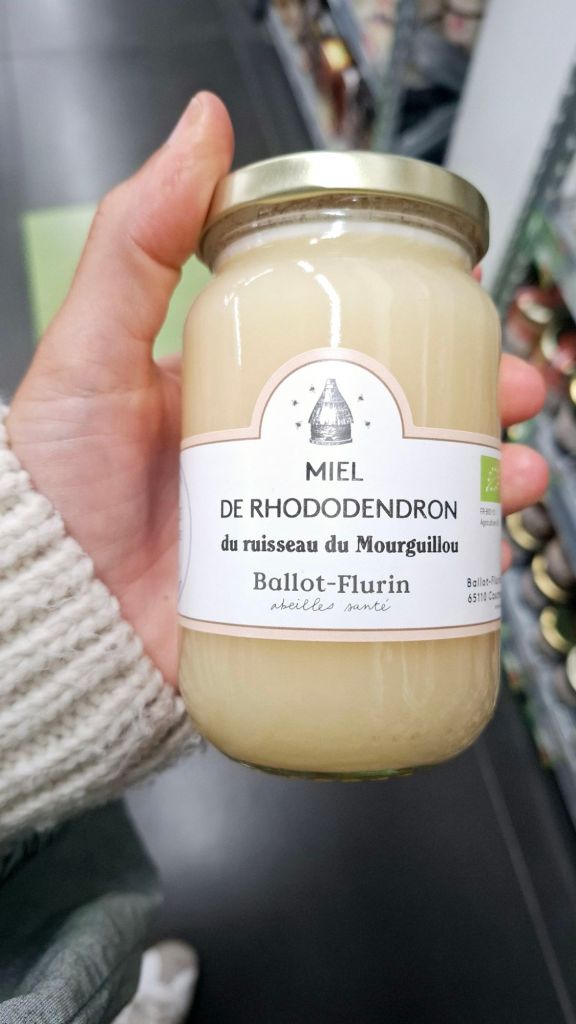
Miel de Rhododendron – Rhododendron Honey
Flavour: Very mild and buttery with soft floral undertones.
Notable aspect: Harvested high in the Alps and Pyrenees, it’s rare and delicately aromatic.
Health Benefits: Gentle and hypoallergenic; soothing for sensitive digestion.
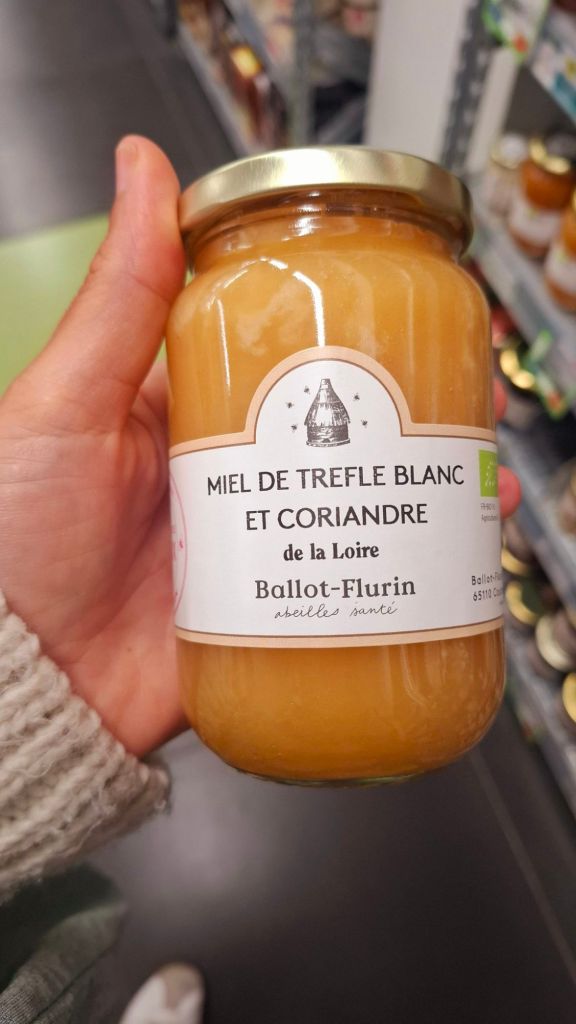
Miel de Trèfle Blanc – White Clover Honey
Flavour: Light, sweet, and slightly vanilla-like.
Notable aspect: Collected from meadows and pastures, often used in everyday French kitchens.
Health Benefits: A clean source of energy; contains enzymes that support metabolism and vitality.
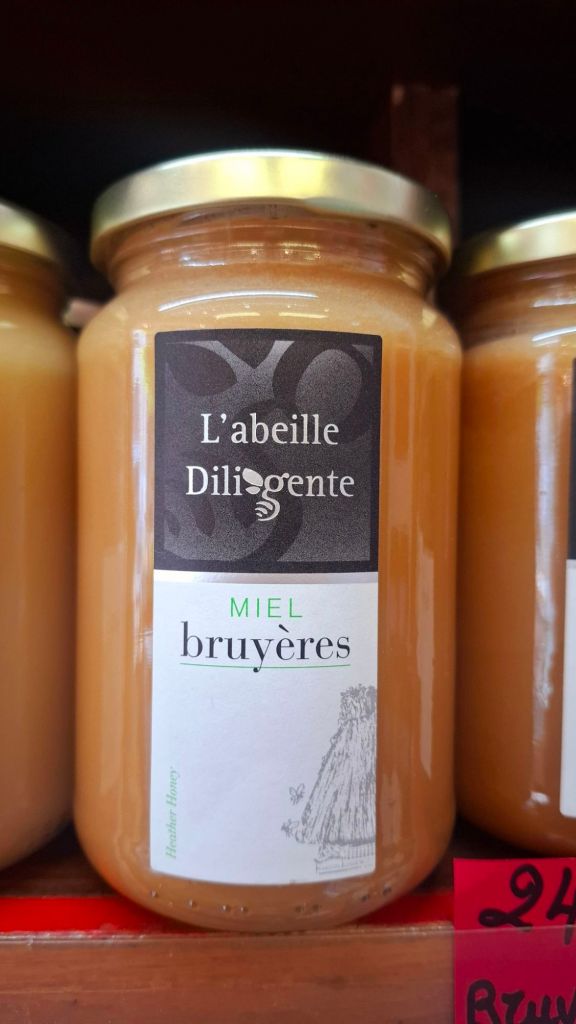
Miel de Bruyère – Heather Honey (Heather is a small evergreen shrub)
Flavour: Strong, aromatic, with a slightly bitter edge and jelly-like consistency.
Notable aspect: Harvested in moors and heathlands, particularly in Brittany and central France.
Health Benefits: Anti-inflammatory, especially supportive for kidney and urinary tract health.
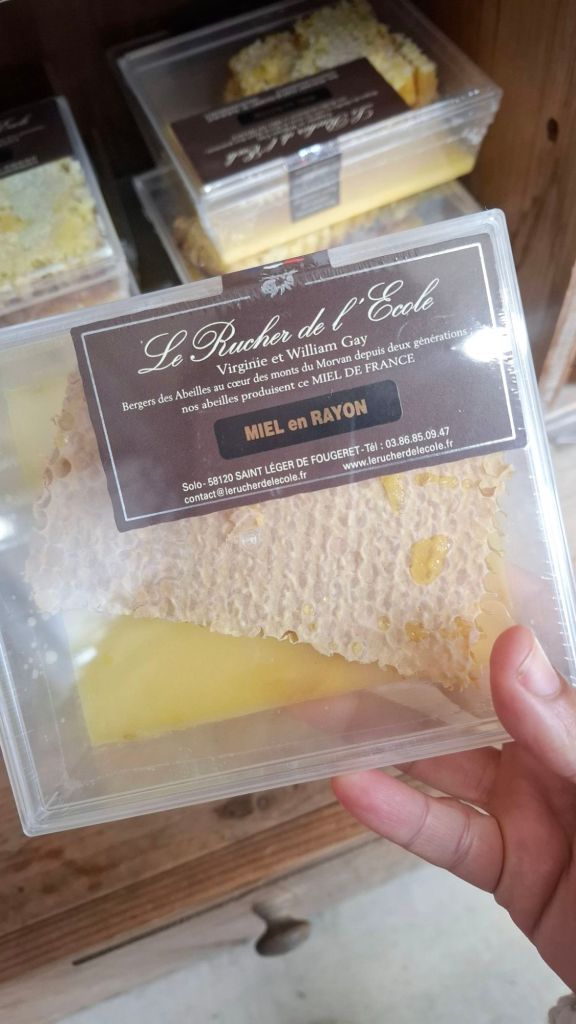
Honeycomb
Flavour: Pure and raw, with a floral sweetness and satisfying texture.
Notable aspect: Enjoyed straight from the hive, it’s a true gourmet delicacy.
Health Benefits: Contains natural wax, pollen, and propolis—great for immunity and oral health. Chew it like gum to get its health benefits!
HONEY IN PERSONAL CARE
Honey is a natural wonder when it comes to personal care, and it’s something I swear by! It’s not only nourishing but also has a variety of beneficial properties, such as antibacterial, antioxidant, and moisturizing effects. Here are a few ways you can use honey in your personal care routine, along with explanations for why it’s effective:
Honey Face Mask
Simply apply raw honey (preferably organic) to clean, dry skin. Leave it on for 10-15 minutes, then rinse off with warm water.
Why It’s Good: Honey acts as a humectant, meaning it draws moisture from the air into your skin, keeping it hydrated. It also contains antibacterial properties, making it great for acne-prone or blemish-prone skin. Additionally, honey is rich in antioxidants, which can help protect the skin from environmental damage and support the skin’s natural repair processes.
Honey as a Cleanser (Instead of Soap)
Take a small amount of raw honey and gently massage it into your damp face, then rinse with warm water.
Why It’s Good: Honey has natural cleansing properties and helps to gently remove dirt, impurities, and excess oils without stripping the skin of its natural moisture. It’s also gentle, making it ideal for sensitive skin. The antimicrobial properties help prevent bacterial buildup, which can lead to breakouts. Unlike soap, honey won’t leave your skin feeling dry or tight.
Honey Toothpaste (Natural Whitening & Antibacterial)
Mix 1 tablespoon of raw honey with a small amount of baking soda to form a paste. You can also add a few drops of essential oils like peppermint for flavor. Brush your teeth with this mixture.
Why It’s Good: Honey is antibacterial, which can help fight plaque and promote oral hygiene. It also helps to whiten teeth naturally without the use of harsh chemicals. The enzymes in honey break down food particles, and honey can reduce inflammation in the gums. The baking soda serves as a gentle abrasive to polish your teeth.
Honey for Dry Lips (Lip Balm)
Apply a small amount of honey directly to your lips or mix it with coconut oil or olive oil for extra moisture. Leave it on overnight for soft, smooth lips.
Why It’s Good: Honey is naturally moisturizing and can help heal dry, cracked lips. It also has antiseptic properties, which can protect your lips from infections that might develop from cracks. Honey is gentle and nourishing, offering hydration without any harsh chemicals.
Honey Hair Mask (For Shine and Softness)
Mix 1 tablespoon of honey with 2 tablespoons of olive oil or coconut oil. Apply this mixture to damp hair, covering it from roots to ends. Leave on for 15-30 minutes, then rinse thoroughly and shampoo.
Why It’s Good: Honey can help to restore moisture to dry, damaged hair. It acts as a natural conditioner, adding shine and leaving your hair feeling soft. The antioxidants in honey also help to protect your hair from environmental damage.
Honey Body Scrub (Exfoliating)
Mix 2 tablespoons of honey with 2 tablespoons of sugar (or salt). Gently massage the mixture onto damp skin in circular motions to exfoliate. Rinse off with warm water.
Why It’s Good: Honey’s natural moisturizing properties hydrate your skin, while the sugar or salt exfoliates, removing dead skin cells. This leaves your skin feeling smooth and nourished. The antioxidants in honey also help fight signs of aging and skin damage.
Honey for Cuts and Scrapes (Natural Healing)
Clean the wound and apply a thin layer of honey to the affected area. Cover with a bandage and leave it on for several hours or overnight.
Why It’s Good: Honey has natural antibacterial and antiseptic properties, which help prevent infection and support the body’s healing process. It also reduces inflammation and helps to soothe the skin. Historically, honey has been used as a wound dressing due to its healing properties.
This article was not sponsored by any of the brands featured.
 FOOD CURIOUS
Leave a comment