This January, saffron has undoubtedly become my spice of the month. I’ve been using it in countless ways, both for its incredible flavor and its health benefits. You could say my recent trip to Dubai is to blame for this newfound saffron obsession. That journey inspired me in many ways, especially when it comes to food.
Although I visited Dubai over a decade ago, this trip felt entirely different—it pleasantly surprised me. Destinations that break stereotypes often capture my heart, and Dubai was no exception. I had a similar experience when I first visited Jamaica in 2012. I was so captivated that I returned seven more times and eventually lived there for ten years! It’s always those places that defy expectations and show you something unique that truly resonate.
Dubai impressed me not only with its vibrant culture but also with the sight of saffron everywhere. From spice markets to restaurant menus, this precious spice was a consistent theme. Saffron featured prominently in Emirati dishes, as well as cuisines from other Gulf countries, Iran, Afghanistan, and the South Asian subcontinent—reflecting the city’s diverse culinary tapestry.
What Makes Saffron So Special?
Saffron is derived from the flower of Crocus sativus and is one of the most precious spices in the world. Why? Its production is incredibly labor-intensive. Harvesting saffron strands requires meticulous care, and it takes approximately 1,000 flowers to produce just one ounce. What’s more, these flowers bloom for a short window of one to two weeks, each year.
The leading producers of saffron are Iran (which supplies about 90% of the world’s saffron), India, and Spain, with smaller markets such as Afghanistan, Greece, Morocco, and Turkey- to state a few. Saffron’s aroma is delicate, warm, floral, sweet, and earthy—a truly luxurious experience for the senses.
Historically, saffron has been used in food (think rice dishes, teas, desserts, and syrups), as a natural textile dye, and even in skincare products like creams and lotions.
Is It Worth the Price Tag?
In my opinion, absolutely—if you purchase authentic saffron and genuinely love cooking and eating. A little saffron goes a long way, and it offers some intriguing health benefits. During my time in Dubai, many spice vendors displayed posters listing its health benefits, a spice rich in antioxidants that can contribute to improved heart health, inflammation reduction, mood enhancement and even cancer prevention. While claims like these warrant personal research, the potential benefits are fascinating. As my favorite saying goes however, everything in the right amount is medicine, in the wrong amount: poison. Even the good stuff! As a dietary supplement, people can safely take up to 1.5 grams of saffron per day (which equates to over 400 strands of saffron!) However, high doses of 5 g or more may have toxic effects.
Since returning home, I’ve been experimenting with saffron herbal teas and caffeine-free “saffron lattes.” Its mood-boosting properties feel priceless, especially these days when mental well-being is so vital. While the West is just beginning to embrace saffron’s mental health benefits, this has been common knowledge in the Middle East for centuries, where saffron is even regarded as a prophetic medicine. While saffron is not mentioned in the Quran, in Islamic teachings, there are some hadiths, in which saffron is mentioned for its healing properties.
Tips for Buying and Using Saffron
If you’re ready to invest in saffron, here are two key tips:
Ensure Authenticity:
Like honey or olive oil, saffron is often subject to fraud. For example, between 2019 and 2021, a major trafficking ring in La Mancha, Spain—a renowned saffron-growing region—was uncovered, involving USD $12 million worth of counterfeit saffron. You can read more about this story, worthy of a Netflix show in itself, by clicking here – a reminder that not all is rose tinted glasses in food world.
To check if your saffron is genuine, soak a few strands in cold water. If the water instantly turns bright orange, it’s likely dyed and fake. Authentic saffron gradually releases its color, turning the water a delicate yellow that deepens to orange over several hours. After 24 hours, the strands should lose their red hue entirely, as the color will have fully transferred to the water.
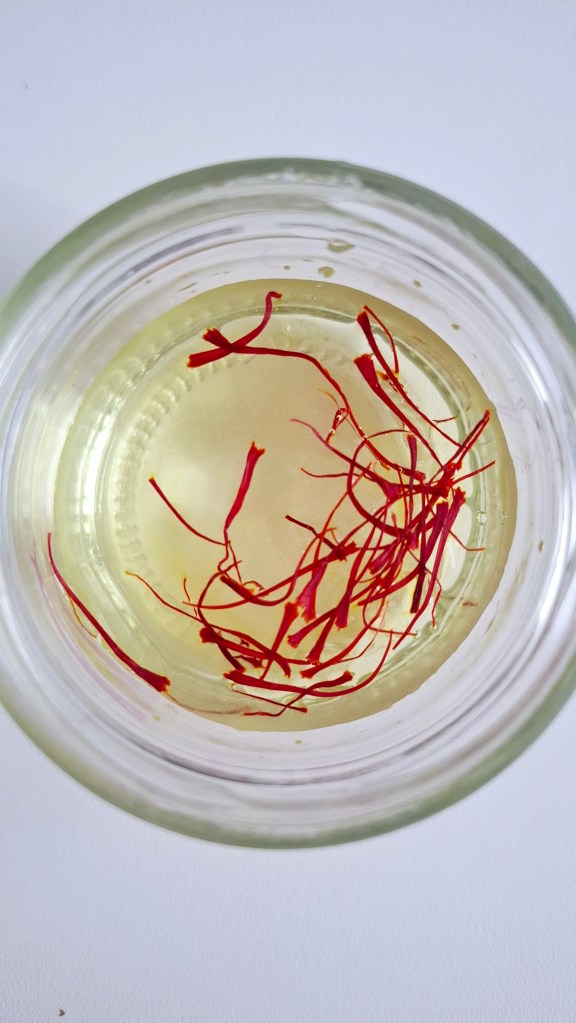
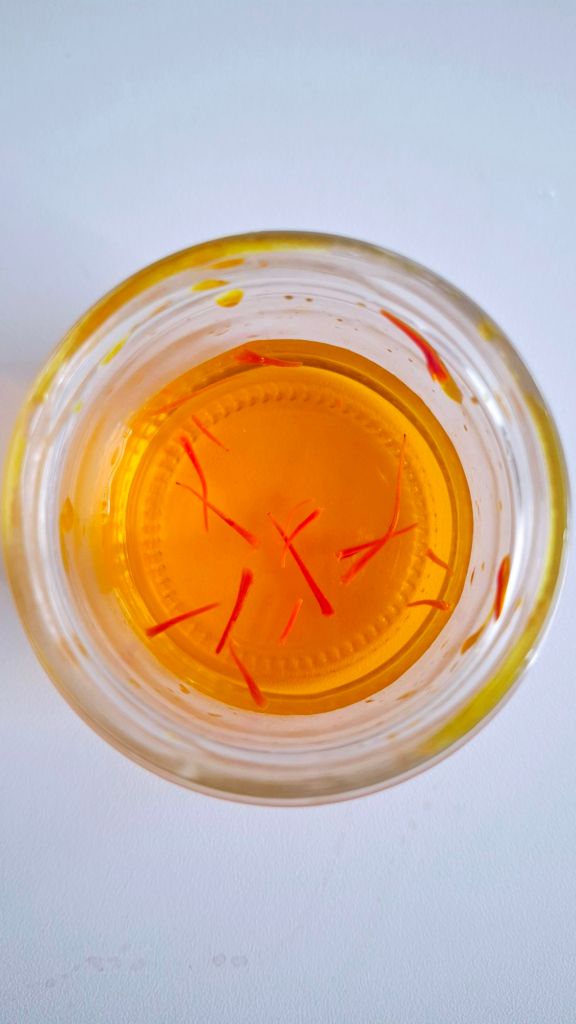
Above: Saffron strands should never dye cold water into a bright orange instantly (left). Right: the color should be diluted gradually, here after 24 hours.
Store It Properly:
Keep your saffron in a cool, dark place, away from direct sunlight. If you’re feeling extra cautious, you might even store it in a locked safe!
How to Use Saffron
Here are a few methods to unlock saffron’s flavor:
Mortar & Pestle Method: Grind saffron strands with a pinch of sugar (traditionally used as an abrasive) until fine. Add a small amount of hot water to create a fragrant saffron elixir.
Ice Cube Method: Place an ice cube over a few saffron strands and let it melt. The cold water will extract the saffron’s flavor and color.
Saffron Tea Method: Steep a few saffron strands in hot water for 15 minutes. Use the infused liquid to enhance your dishes.
Overnight Method: My personal favorite! Place a few strands in cold water in a small jar, then refrigerate overnight. By morning, the water will have transformed into a vibrant saffron elixir, ready to use. Sometimes, I leave it in the fridge for a couple of days knowing I might be using the liquid in a couple of recipes or teas that week.
If you’re a passionate cook, saffron is worth every penny. Its unparalleled aroma, versatile uses, and health benefits make it a worthy addition to any kitchen. Just remember: authenticity is key, and proper storage ensures your saffron stays as precious as the day you bought it.
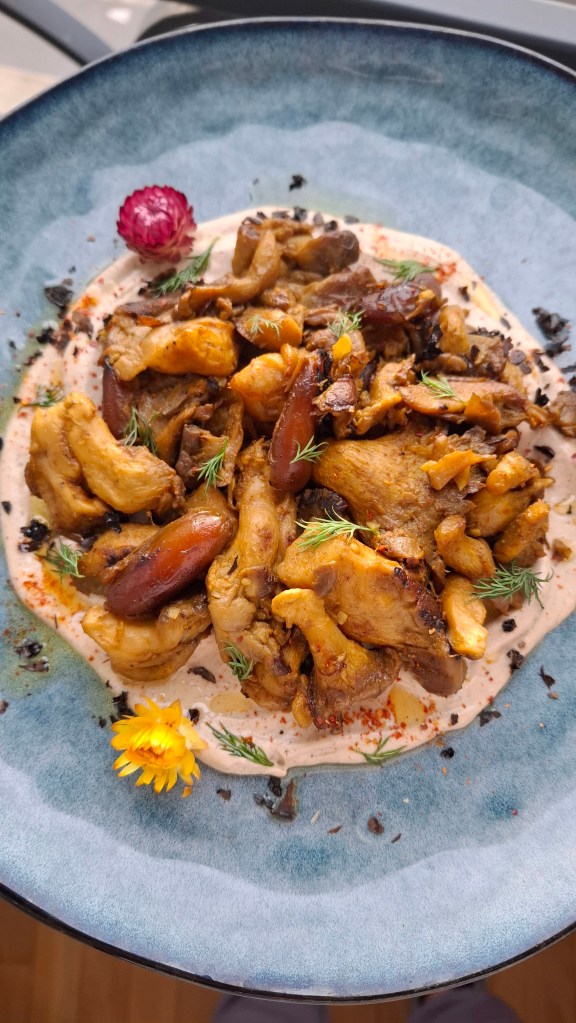
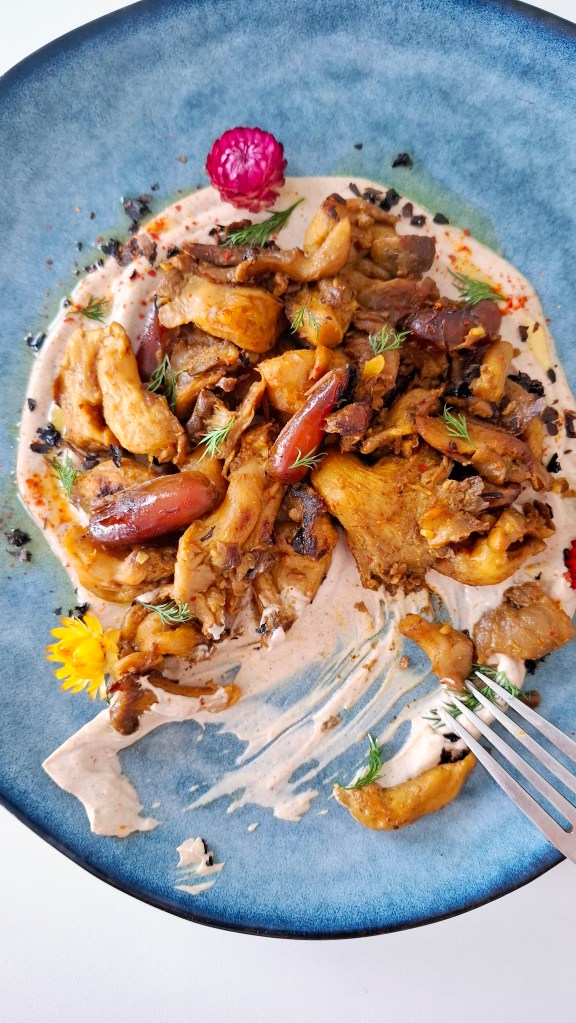
Two of my favorite ways to cook with saffron highlight its versatility in both savory and sweet dishes.
In the savory realm, I’ve loved pairing saffron with oyster mushrooms, seared dates in extra virgin olive oil, and presenting it all on a silky layer of black lime vegan yogurt-tahini. Saffron complements the earthy richness of mushrooms beautifully, making it a standout in vegetable-based dishes.
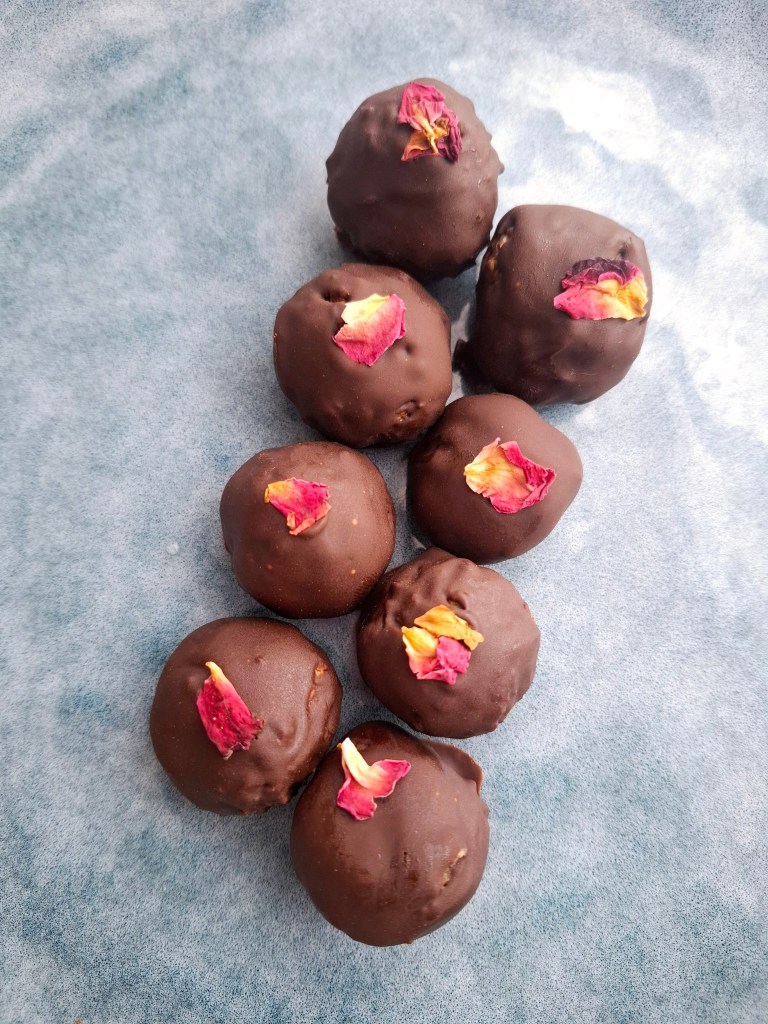
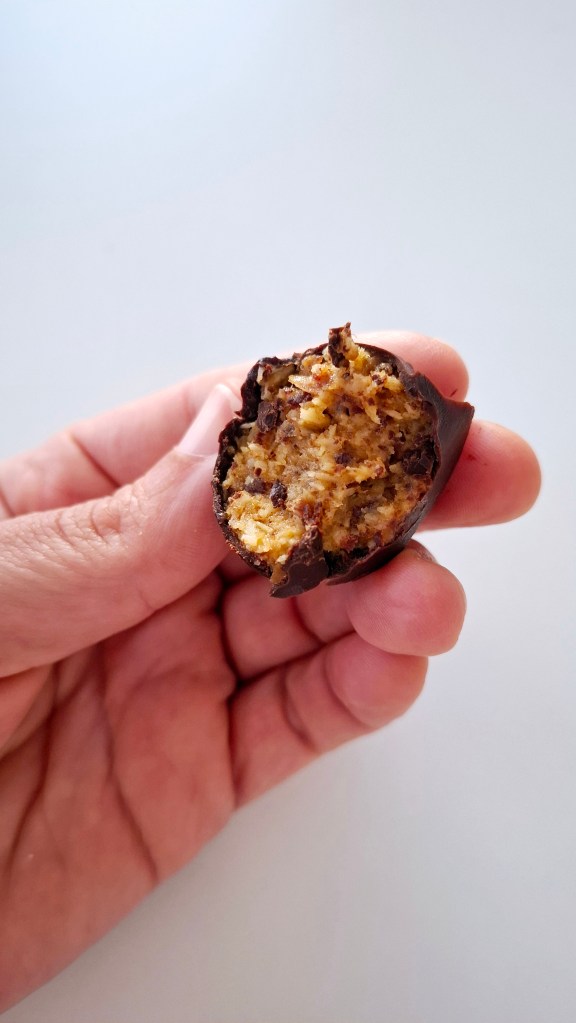
On the sweeter side, I created a “functional food” recipe that highlights saffron’s mood-boosting benefits. I paired it with another brain-boosting ingredient: Lion’s Mane (in powdered form). Combined with ajwain, ginger, cardamom, and cloves, these ingredients are packed into a ball of date paste. Inspired by the traditional practice of blending herbs and spices into sweet bases, this modern take is a not-so-guilty dessert dipped in magnesium-rich dark chocolate for an extra mood-enhancing touch.
I’m not ready to stop cooking with saffron anytime soon. It’s a great teacher, in the sense that it can shine on it’s own or with just one or two other spices. However, it can also exist with a long list of other aromatics, which I definitely noticed in Dubai in the local cuisine. The key is to find that perfect balance, no matter how many other things you pair it with. Mastering that balance is the result of ongoing effort and experimentation when cooking. In a kitchen, we are forever students.
With that said, stay tuned for more creative ways I’ve used saffron, which I’ll be sharing in upcoming posts.
I hope you enjoyed this read, and perhaps learned something new. Drop a comment or send me an e-mail at thefoodcuriouslife@gmail.com .
 FOOD CURIOUS
Leave a comment