Stepping into Dubai’s Spice Souk feels like crossing a threshold into another world—a vibrant tapestry of colors, scents, and textures that captivates every sense. The air hums with the rich perfume of frankincense, the earthy warmth of saffron, and the sharp sweetness of dried pomegranate flowers. This isn’t just a market; it’s a living archive of old traditions. Every stall tells a story of trade, healing, and a deep connection to the earth.
During my recent visit to Dubai, I was enchanted not only by the souk’s beauty but also by the wisdom tucked away in every shelf, drawer, and jar. From the precious sight of saffron threads to the mounds of bakhoor, resins, and dried Hollyhock flowers, each ingredient seemed to carry centuries of knowledge about nature’s gifts. For someone like me, who loves to cook and explore markets, this was a feast for the senses—not just for the palate but for the soul. Markets, after all, are more than just places of commerce; they are schools of culture and food, offering an education in flavors and traditions.
This trip, however, held a special significance for me. With Middle Eastern roots woven into my multi-hyphenated cultural identity, Dubai felt like a bridge to memories of the Souq el Hamidiyeh in Syria—a place I haven’t returned to since the outbreak of the civil war. While the Middle East is a vast region with countless differences, there are shared threads that bind its traditions, and being in Dubai rekindled that sense of connection.
The natural remedies of the Arabian Peninsula—frankincense, myrrh, black seed oil, Sidr honey—have been cherished for millennia. Yet, in Western wellness trends, they are often reduced to fleeting fads or stripped of their rich cultural context. Standing amidst these treasures in the Spice Souk, I was struck by how these ingredients transcend mere commodities. They are vessels of ancient knowledge, each imbued with purpose, ritual, and story.
My time in Dubai became an immersive lesson in natural healing—a topic I’ve been drawn to for years and one that naturally aligns with my passion for plant-based cuisine. Conversations with local vendors, many of whom have inherited their trades through generations, deepened my understanding of these ingredients and their cultural significance. It was clear that these remedies go beyond physical healing. They foster connections to tradition, community, and the region itself.
This journey has inspired me to document everything I’ve learned—recipes, rituals, and remedies—to share with a wider audience. I believe these ancient practices have a rightful place in our modern kitchens, skincare routines, and wellness rituals. They are a testament to the enduring wisdom of nature and the ingenuity of those who have preserved it across generations.
This experience has enriched my perspective and ignited a passion to honor and celebrate these traditions.
With that in mind, I’d love to share some of the insights I’ve gathered, featuring ingredients both new and familiar.
It’s worth noting that while many of these ingredients are cherished across the Arab world, they are not always unique to the region. Nature’s abundance often bridges distant lands, and it’s no coincidence that you might find these same ingredients used holistically in other parts of the world as well.
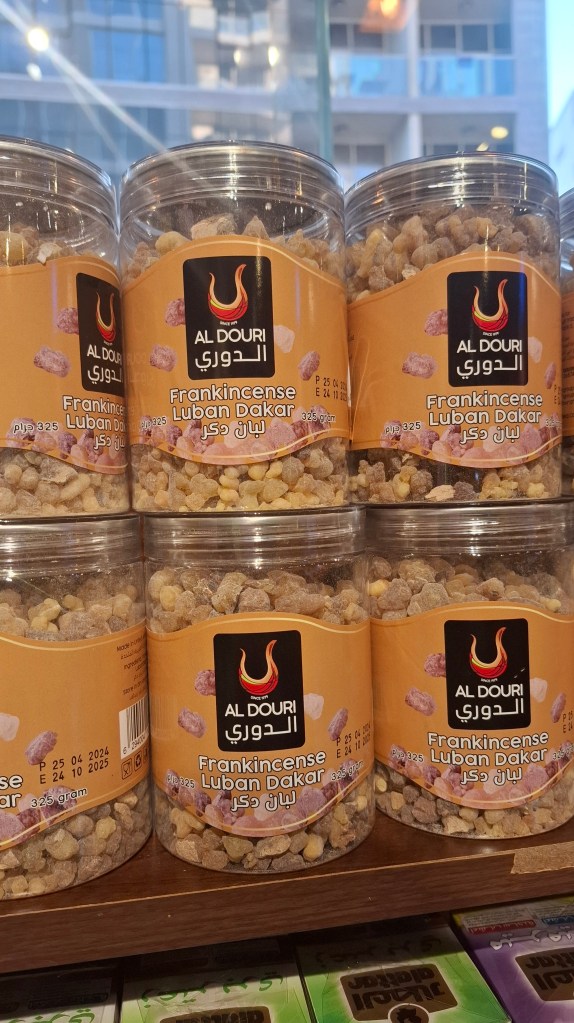
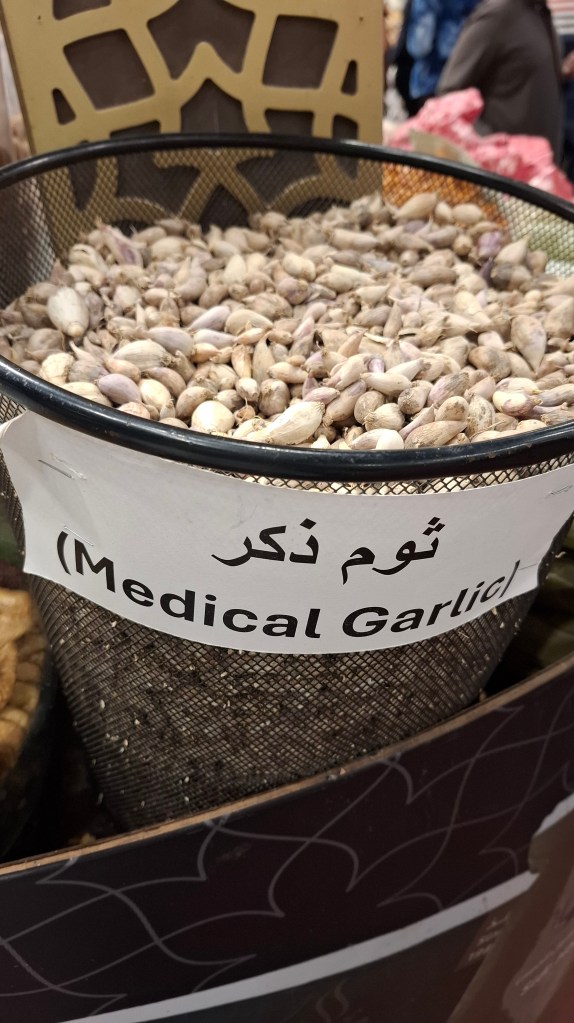
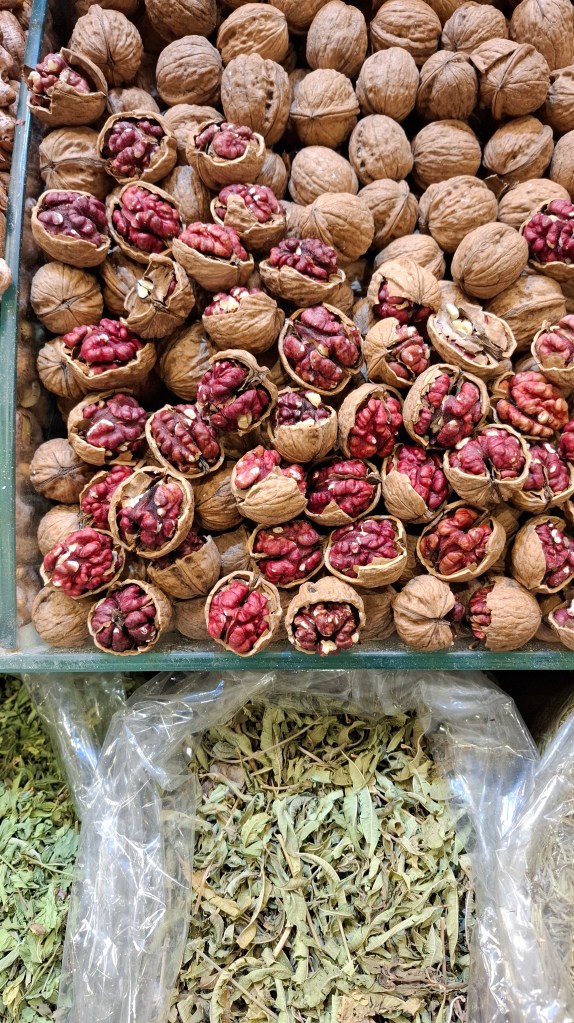
Above left to right: Frankincense, Male Garlic, Red Walnuts
Frankincense (Boswellia)
Aside of Frankincense being appreciated for its incredible fragrance, it is also highly medicinal. Native to the Arabian Peninsula, Frankincense is used as an anti-inflammatory and to relieve pain, particularly for joint conditions like arthritis. It is also believed to have respiratory benefits and is used in aromatherapy to reduce anxiety and improve focus. You can also chew on frankincense as a mouth freshener, or suck on a granule if you have nausea. A good health tonic is to leave some frankincense granules soaked in water, and drink the strained water the next day. Frankincense also has tremendous cosmetic qualities- at the souq, I came across skin potions from the Gulf region that contained frankincense, mixed into rich moisturizing creams. When you char the granules, you can also make a natural khol (and khol helps ward off evil energies). Frankincense is highly regarded in spiritual rituals for its purifying qualities. It’s burned as incense in prayers, meditation, and ceremonies to create a sacred atmosphere and to cleanse spaces of negative energies. Of course, if using Frankincense, always make sure it’s pure and of good quality.
Male Garlic
Another interesting sight was buckets of medical grade garlic. The garlic I saw comes from Yemen, where there is a “male garlic” variety that is especially known for its nutritional and therapeutic properties that are stronger than those found in regular garlic. It contains an abundant amount of fiber that is beneficial to the digestive system and disinfectants anything that should not be in your stomach. It contains twice the amount of antibiotics to eliminate infections and get rid of toxins, harmful chemicals, bacteria and parasites. Other interesting uses in ancient Arab Medicine is to use garlic cloves to relieve an ant bite or a bee sting. In the deserts of the Gulf region, scorpions are a common sight especially at night. Rubbing a raw garlic clove on a scorpion sting helps heal the skin. You can also clean wounds by mixing ground garlic in warm water and washing the wound with it to kill the microbes.
Red Walnut (also known as “Persian walnuts” or “Palestinian walnuts”)
Red Walnuts are a rare and highly sought after variety of walnuts typically grown in regions like Palestine & Iran. This unique variety of walnuts, known for it’s distinctive reddish-brown color and slightly sweeter taste compared to the more common “brown” walnut, is an excellent source of omega-3 fatty acids, specifically alpha-linolenic acid, which boosts memory, concentration, and cognitive function. The unique color of the walnut is an indicator of anthocyanins, a powerful antioxidant that helps reduce inflammation and fight free radicals in the body.
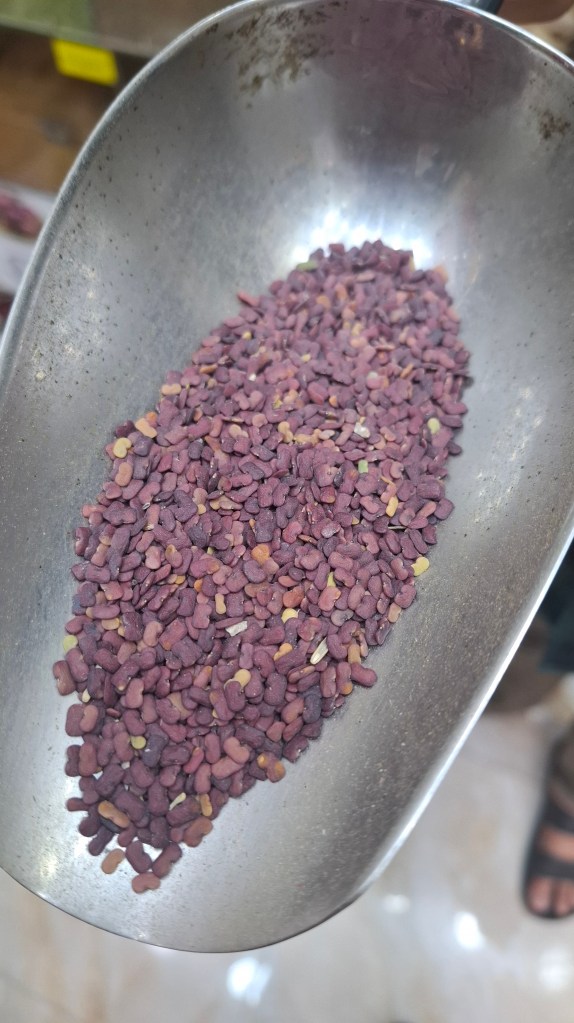
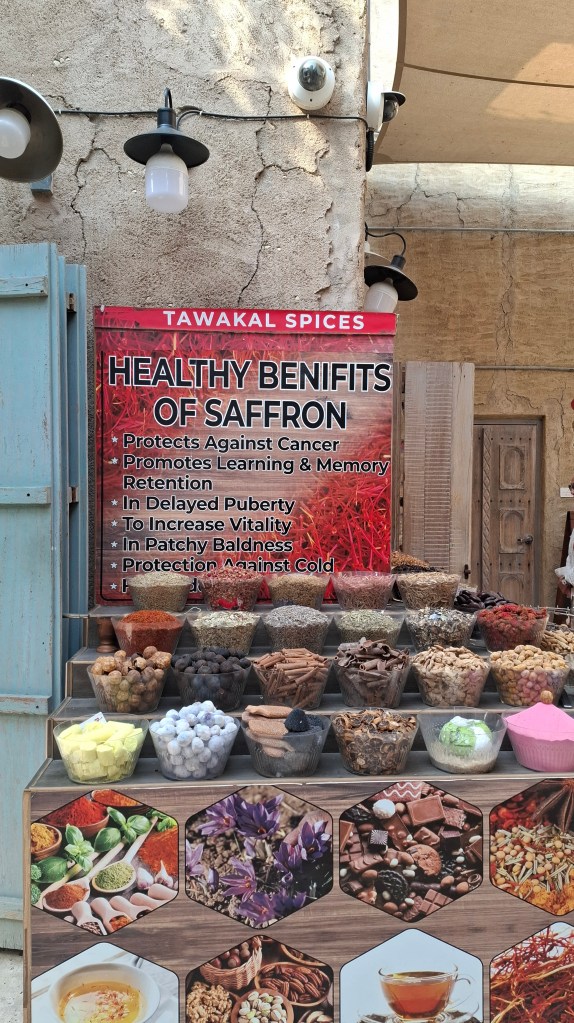
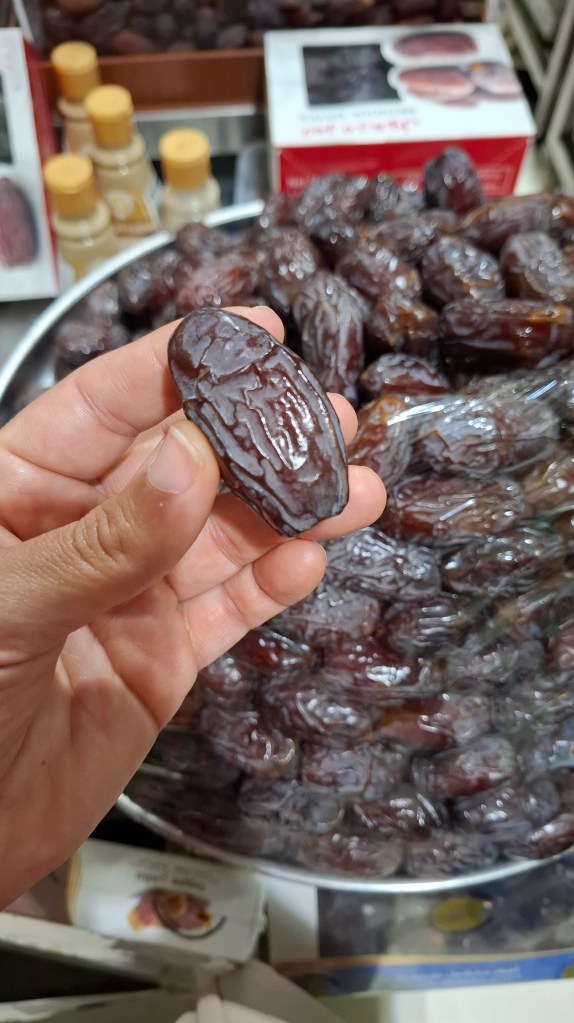
Above left to right: Red Fenugreek, Poster outline the benefits of Saffron, Mahjoul/Medjool date
Red Fenugreek
Fenugreek is possibly one of my favorite spices to cook with, I love using the seeds and the leaves. But during my trip to Dubai, I came across red fenugreek for the first time ever. The smell is absolutely amazing- more pungent (in a great way) and spicier than the common green/yellow-ish fenugreek. But then I also learned that it’s very good for type 2 diabetes as it contains compounds that can enhance insulin sensitivity. These tasty seeds can also help improve digestion, reduce bloating, and ease constipation thanks to its anti-inflammatory properties that soothe the digestive tract. To enjoy the benefits of fenugreek (aside of cooking with it), you can drink it as a tea or add 1 spoon in a cup of water, leave to soak overnight, and drink the water the next day.
Saffron
If there is one spice I’m equating my Dubai trip with, it’s saffron. The sight of precious saffron was just everywhere and it is incorporated in so many delicious foods and beverages! It is believed to have a variety of health benefits, from being a digestive aid and improving skin health. Often consumed in tea or added to foods, it provides both flavor and healing. As I always love to say, spices are always flavor x function. While the West has only started to uncover its mood enhancing benefits, in ancient Arab medicine, this has always been a well known benefit of the precious spice. Saffron has a long history in Islamic Traditional Medicine (ITM) where it has always been considered a natural antidepressant and an exhilarant which leads to the sense of happiness and laughter. It is believed to have a calming effect on the nerves and can help alleviate symptoms of anxiety and depression.Saffron is considered a purifier of both body and soul. It’s used in some traditional spiritual rituals and is believed to uplift the spirit and promote inner peace.
Dates
Not only are dates a symbol of heritage & hospitality, they are also an ingredient that come to represent a multitude of uses that the rest of the world may not even be familiar with. I wrote about the many uses and varieties of dates in my recent post, The Journey of Dates, from Ancient Staple to Modern Superfood. In regards to the medicinal benefits of dates, it is impossible to not mention the Quran- where dates are written about as both a medicine and preventive medicine. Dates and date palms have been mentioned in the Quran 20 times, thus showing the medicinal importance of dates in the Islamic world. There is mention of the fruit as a medicine for maternity-related issues and is especially useful for pregnant women, especially as they approach their last few weeks. Ripe dates contains a substance that can stimulate oxytocin receptors, which in turn, prepares the uterus and cervix for delivery. A study shows that women who ate six dates a day in the four weeks leading up to their due date were 74% more dilated upon arrival at the hospital, 38% more likely to have their membranes intact, and 21% more likely to go into labour spontaneously. Dates are also seen as brain food, as they are quick and easy to digest, and send a rocket of energy to the brain under the form of fructose and glucose. There is also mention of Ajwa dates as medicine for heart-related problems : “He should take seven Ajwah dates of Madinah and grind them with their kernels, and then put them into your mouth.”(Sunan Abi Dawood, Book 28, No. 3866: Narrated Saad). This can be supported by the fact that dates may enhance heart function due to their rich nutrient profile. The vitamins and minerals including vitamin B6 and magnesium, support the optimal functioning of the heart muscle. There is also some compelling evidence suggesting that flavonoids in Ajwa date seed powder have cardio-protective effects. Lastly, according to a well known Hadith “Eating seven dates in the morning every day is believed to help get rid of body poison and envy”. Keep in mind, that this section of the Quran should be taken into account with some context: many scholars believe that to protect the body from poison and witchcraft, the dates must be the Ajwa variety, and specifically from Madinah. This morning practice of consuming seven dates must be done consistently- and not just once in a blue moon. While I could write a book on the medicinal benefits of dates in the local culture, there is no doubt that these sweet fruits are considered spiritually nourishing, promoting vitality for both physical and spiritual well-being in the Arab world.
Oud (Agarwood)
While most people today might equate Oud with expensive smelling perfumes, the precious agarwood has also been used as a health remedy throughout the Asian continent– including the Arabian Peninsula. Some of its traditional medicinal uses are as a stimulant and cardiac tonic. One of the great benefits of Oud is what it can do for the nervous system– and this too was recognized in different traditional medicine schools of thought across the Asian continent. Oud has a positive effect on the central nervous system and can reduce anxiety, stress, insomnia and depression. Oud oil also has antibacterial and anti-inflammatory properties, which make it beneficial for treating acne and skin irritations. Like most plants, Oud is considered highly spiritual and is often used in prayers, especially during important religious events. Its rich, woody scent is believed to elevate the soul, promote spiritual clarity, and create a connection to higher realms. Of course, the above benefits can only be obtained with real Oud- which is incredibly expensive.
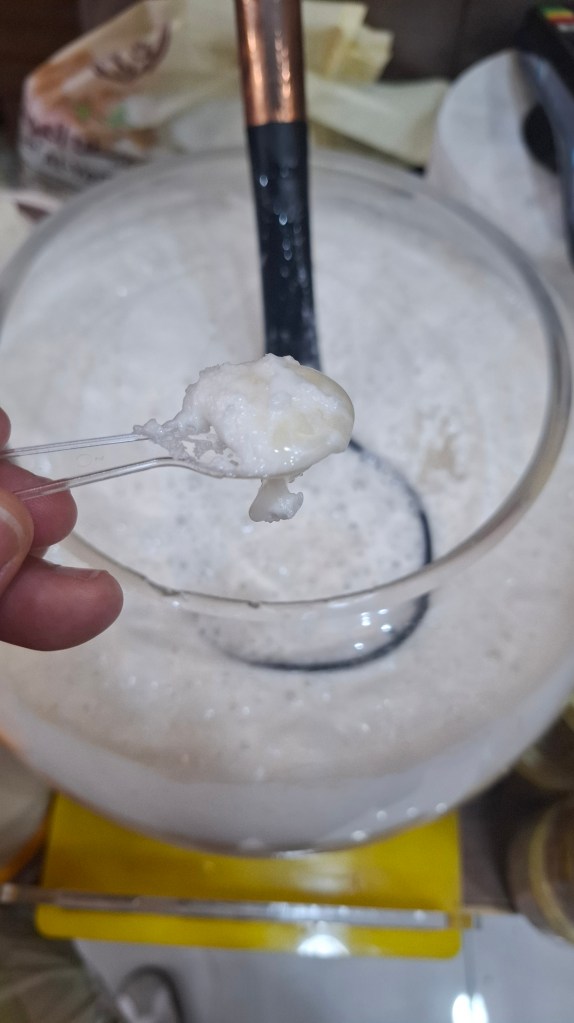
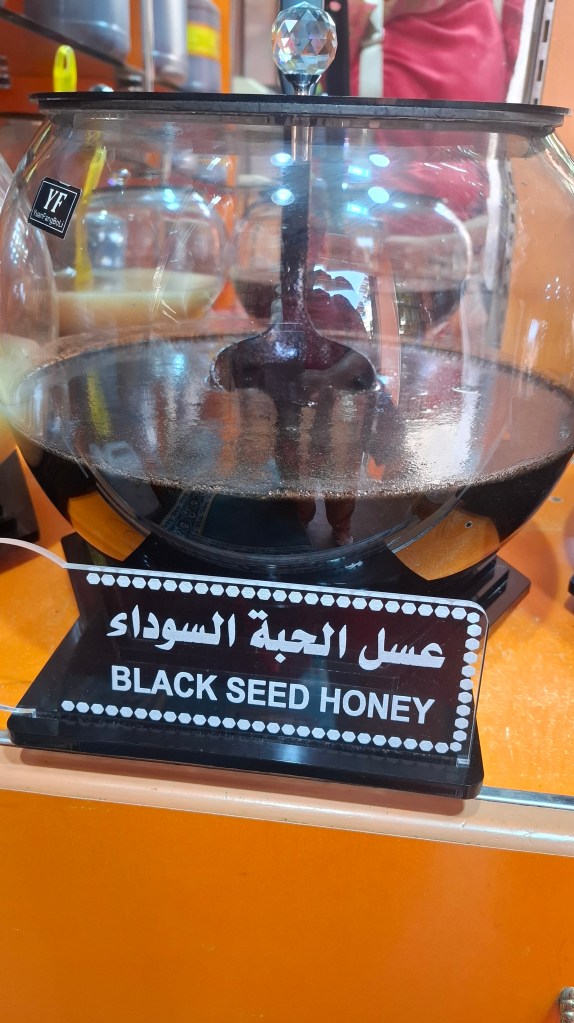
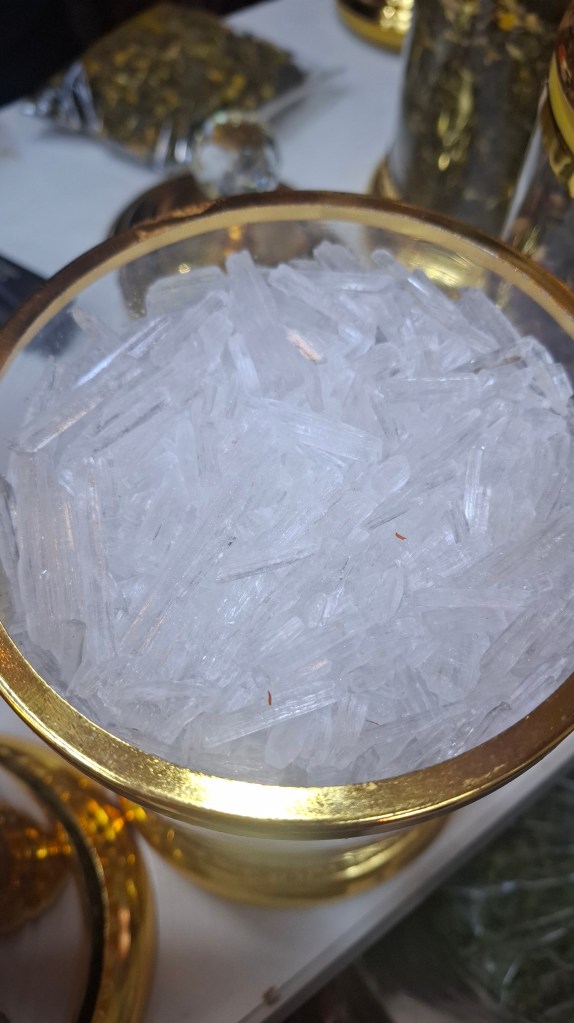
Above left to right: White Honey, Black Seed Honey, Menthol Crystals
White Honey
There is a large variety of really interesting honeys in Dubai- a lot of it coming from the surrounding region (Yemen, Kyrgyzstan, Azerbaijan, Pakistan etc). But I had never seen white honey before, what a cool sight! I read it is white as it’s a wild forest and wild mountain honey, and the bees feed mostly on white clover and sage blossoms. All the vendors informed me that it is especially rich in calcium and Vit B12. It is also rich in minerals like copper, potassium, phosphorus and zinc. The taste is milky and mild, but the sight is super intriguing. I came back home with a small jar as it’s such a precious reminder of the infinite richness in nature. Like most honeys, white honey is also used to boost immunity, aid digestion, soothe the respiratory tract and improve skin health. Another interesting use of white honey, which is seen as a sacred gift from nature, is its use in rituals for protection and to enhance blessings or prayers.
Sidr Honey
Sidr Honey is a common sight in Dubai, as it comes from the Gulf region, specifically neighboring the uncultivated desert areas of Yemen. Ranked as one of the finest and most expensive honeys in the world, it is produced from Wild Sidr Trees (also known as Christ’s Thorn, Lote Tree or Nabkh Tree). Aside of its distinctive aroma, it also has centuries of history for its health benefits. Raw Honey from the sacred Sidr Tree, is closely associated with Islam. Cited several times in the Quran, raw honey is deemed to have strong medicinal benefits, as mentioned in Surah Al-Nahl (the bee), particularly in this verse: “There emerges from their bellies a drink (honey), varying in colours, in which there is healing for people. Indeed in that is a sign for a people who give thought.” (Quran 16:68). Likewise, Prophet Mohammed believed it to be an integral part of a healthy diet and an all-natural shifa (cure). He would recommend honey for stomach aches and loved drinking honey melted in water. Sidr Honey is also good for skin health, as a moisturizer but also is helpful to fight acne, skin infections and premature signs of aging. It can also be used on the scalp, for hair health. Raw Sidr Honey has probiotic properties and is great for gut health, keeping the digestive tract healthy and strong.The list of health benefits are endless, and people have sworn by it for an improved memory and for help in treating cancer symptoms. If you ever come across a good quality jar of raw Sidr Honey, keep a jar at home for its antioxidant, mineral & vitamin rich anti-inflammatory benefits. Last but not least, culturally, in Yemen, Sidr Honey is often used in wedding ceremonies as a symbol of prosperity and health
Black Seed (Nigella Sativa)
Known as Habbat al-Barakah (Arabic for: the blessed seed) or as Nigella seed, it is one of my favourite ingredients that I keep in my kitchen pantry at all times for it’s unique savory flavor that I use in both sweet and salty dishes. There are even a couple of recipes featuring this ingredient in my cookbook, Food Curious. While I have always grown up seeing black seed sprinkled on the food at home, I noticed in recent years, it’s become a major health trend in the West. Black seed is used for a wide variety of health issues, as it’s an ultimate immunity booster. It is consumed in whole seed form, as an oil or ground into powder. As an oil, it’s incredibly nourishing for skin and hair. Additionally, black seed has the power to heal the body and mind, with references in Islamic traditions as a cure for everything except death. And there is a wide body of scientific research that supports this idea. Its miraculous power of healing comes from its bioactive component – thymoquinone– which has gotten Black Seed a place among the top ranked evidence based herbal medicines. Black Seed has and continues to be widely used in the treatment of various diseases like bronchitis, asthma, diarrhea, rheumatism and skin disorders. It is also used as liver tonic, digestive tonic, and most importantly to reduce metabolic syndrome– which if left unregulated, can lead to a plethora of conditions like type 2 diabetes, heart disease and bad cholesterol. In parts of the Middle East, a common combination is black seed with honey, the ultimate health remedy. You’ll find this almost everywhere in Dubai- jars of black seed mixed with honey. Some also use it to ward off the “evil eye.”
Menthol Crystals
Menthol crystals are a compound obtained from peppermint oil, then frozen into a convenient and compact “crystal” form- which makes it incredibly convenient to store and carry wherever you go. They are clear to white with a cool minty fresh odour. While I knew about menthol crystals in Jamaica, for their respiratory decongestant benefits, I met an Afghani souq vendor who explained a few alternative uses that I had never heard of before. Dissolved in a carrier oil, menthol crystals help stimulate a healthy scalp, and by extension, hair growth. Mixing a small piece of menthol crystal with rosemary oil for instance can do wonders for strong healthy hair. Just be sure to use a tiny bit, as menthol crystals can be very potent and give a burning stinging sensation. Diluted in some water, it can also be applied topically to help to relieve itching and inflammation due to contact dermatitis and hives.
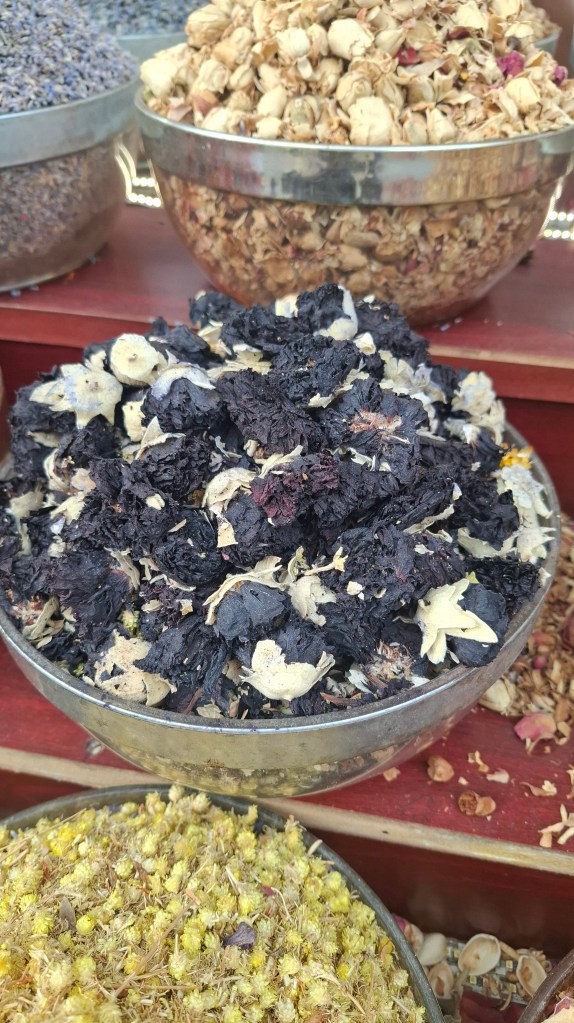
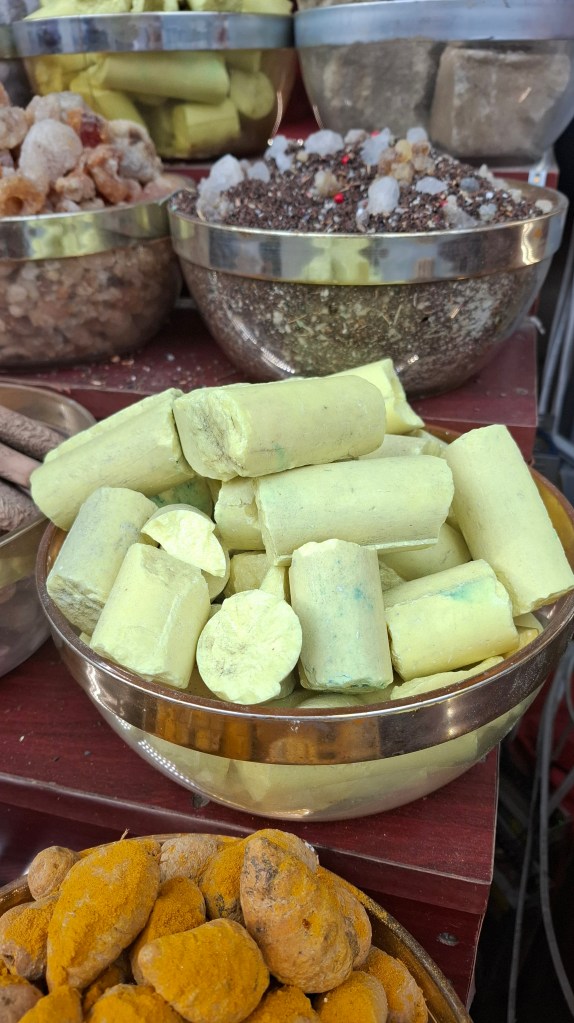
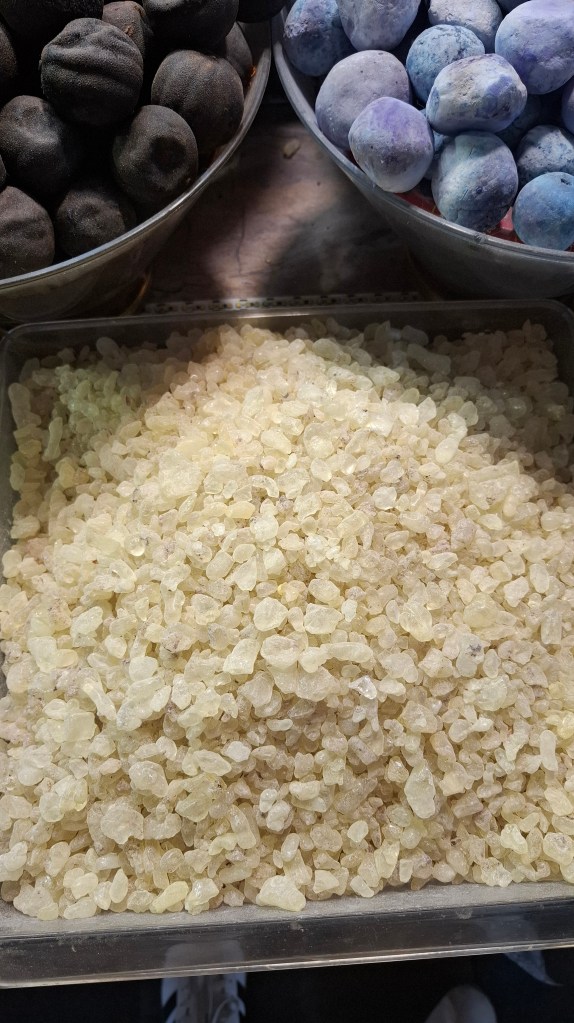
Above left to right: Hollyhock, Sulfur Stick, Mastic Gum
Hollyhock
At first sight, you may think this dried flower is some rare variety of a black rose. But it’s actually Hollyhock: a flower that traveled all over the world during the Middle Ages because of its well-deserved reputation of being able to thrive in almost any climate and soil, so long as it was planted in full sun. The dark, almost black, variety of this flower is also nicknamed “Arabian Nights”. In holistic health, it is somewhat of a substitute to the Marshmallow plant, as it has similar compounds that provide gastrointestinal and respiratory support. Its deep pigmented color should also indicate the presence of strong antioxidant activity, which naturally makes hollyhock anti-inflammatory (for overall health) and great for skin health too.
Sulfur Stick
The sight of sulfur sticks piled up high on a platter was a common sight at the souq in Dubai- and I had also previously seen it in Morocco and India. Sulfur has been used in traditional medicine to treat skin conditions such as acne or fungal infections. It helps kill bacteria and reduce sebum when used as a cleanser- but always do a patch test first, especially if you have sensitive skin. It’s also believed to be beneficial for respiratory and digestive health when used in certain formulations. The sticks are also used in pain relief, as they can reduce the electrostatic charge that specifically causes the pain. To discharge the electrostatic charge, just roll the sulfur stick up and down on the affected areas with light pressure for about 1-2 minutes. In some traditions, sulfur is used to ward off negative energies and is burned or applied in specific rituals for purification or protection.
Mastic Gum
One of my absolute favorite ingredients in cooking, not only does it have a divine flavor, but also many health benefits. In the Middle East (and also Greece & Cyprus), you’ll find it in many foods because of its amazing aroma and digestive properties– namely because it can help relieve symptoms such as heartburn, stomach pain, and bloating. Instead of the modern day chewing gum with so many mysterious ingredients, Mastic continues to be used as a natural chewing gum in the Middle East. Not only will it freshen your mouth, but as you chew it, you also benefit from its antioxidants that help neutralize free radicals, potentially reducing oxidative stress and lowering the risk of chronic diseases. Can you imagine a natural chewing gum that also has anti-inflammatory properties? Now that is pretty cool.
Gunja / Ratti seeds
This one was interesting because I recognized the seed from my years living in Jamaica- where it is known as “John Crow Beads”, and where it is commonly used to make jewelry. At the souq however, I learned a new usage to it. I was informed it is called Gunja/Ratti seed (which is how it’s referred to in South Asia, keep in mind Dubai has a large South Asian diaspora) and specifically that it is burned like an incense, helping to remove negative energies from your surroundings. A bit more research, and I find out that in Trinidad, the beads are worn as jewelry to protect against evil spirits- and this was introduced with the Tamil Indian community who came to Trinidad. While the red variety is highly toxic for ingestion, there is also a white variety used to prepare oil that is claimed to be an aphrodisiac.
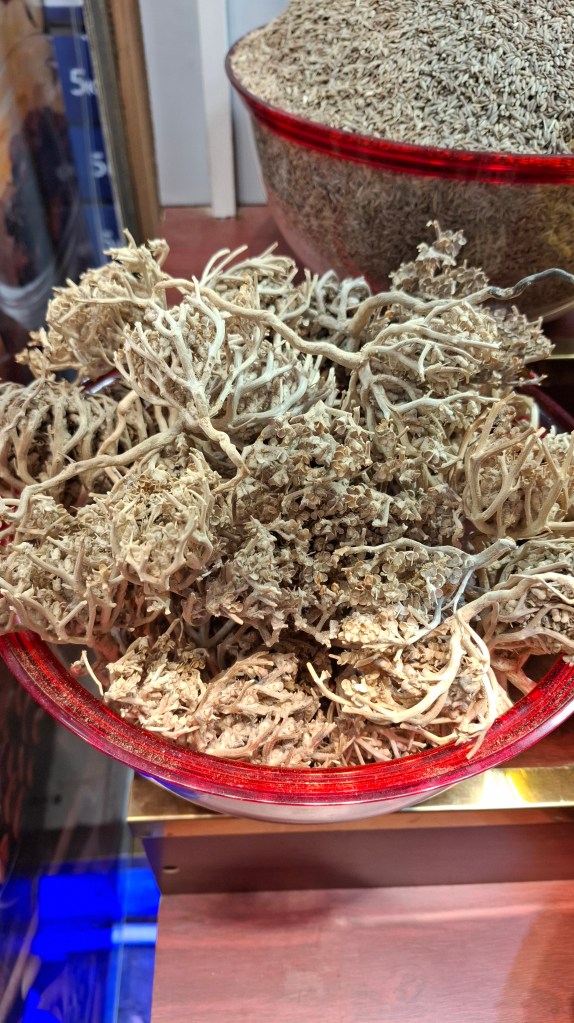
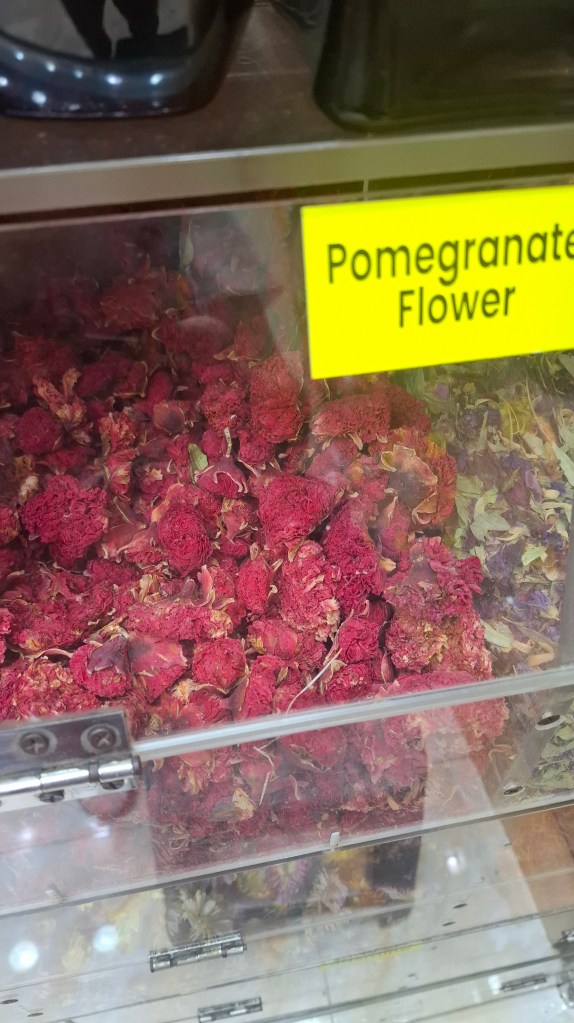
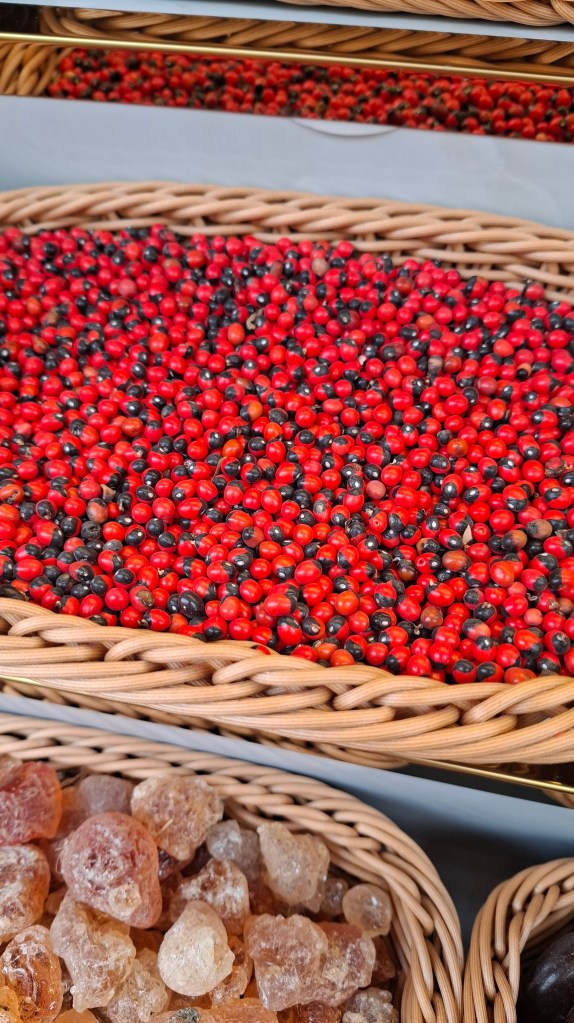
Above left to right: Maryam Booti, Dried Pomegranate Flowers, Gunja/Ratti seeds
Maryam Booti
This was my fourth trip to Dubai, but the last time I had been was in 2008. Sixteen years ago, at the souq, I had taken a picture of an interesting looking ingredient and I saw it again during this trip. I recall that the last time, the market vendor was a bit timid in explaining what the plant was good for, so I asked again, and also received a timid answer “it’s used for women”, followed by a facial expression which implied that the topic is a bit too intimate for the male vendor to explain to me. Thankfully, I’m a research nut and that is when I learned that Maryam Booti, both flower and leaves, is used during labour. As a medicinal preparation, it is reconstituted in water and taken internally to bring pain relief and support for childbirth. Traditional midwives also use it as a visual tool for mothers who are in labour. The flower is left to soak in warm water- the mother focuses on the observing the flower expand in water, helping her cervix expand more “peacefully” in the process too.
Dried Pomegranate Flower
Interestingly enough, many parts of the pomegranate plant are ingestible, but most of us are usually eating the seeds, dismissing the health benefits of the peel and the flowers. In parts of the world where pomegranates are integral to the local culture (ex: Iran, Pakistan, Middle East etc), this ruby colored fruit is king, and its uses are both culinary and medicinal. For instance, the fruit, its juice and molasses are incredibly rich in important antioxidants and known to be good to remove kidney stones. A few people in my family have stories from their childhood of people they know regaining kidney health after the use of pure pomegranate molasses for instance. In Dubai however, I was reminded of another part of the plant: the flowers. The fruit itself grows from the flower, and when dried, they can be kept to be used in herbal teas all year long. The flowers are anti-inflammatory, good for the heart, anti-diabetic and anti-microbial. And as beauty starts from the inside-out, it also helps to give your skin a radiant glow.
And that’s just a snippet of the many things I learned and came across during my trip. Markets are such amazing places that transport your mind and tastebuds to a most interesting world I choose to live in- most times 🙂
Of course, all the above information is provided for informational purposes only, it is not meant to substitute for medical advice or diagnosis provided by your physician or other medical professional. Do not use this information to diagnose, treat or cure any illness or health condition. If you have, or suspect that you have a medical problem, contact your physician or health care provider.
Black rose
Pomegranate flowers – insert photo
 FOOD CURIOUS
Leave a comment